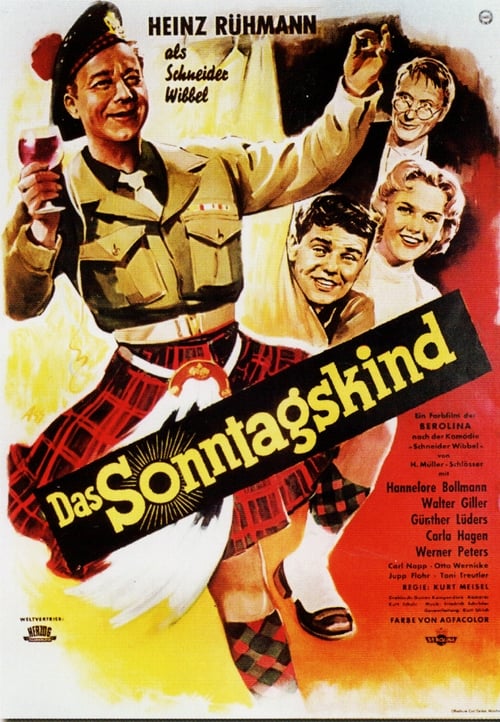
Das Sonntagskind
1956
No user ratings available yet
Representation score: 2.7 out of 10
Representation Score
Minimal
1956
16Director
Helmut Weiss
Average Rating
No ratings yetNew Showbiz Analysis
Helmut Weiss’s comedy is a product of the mid-1950s German studio system, prioritizing commercial appeal over social change. The film adheres to the established cinematic conventions of its era, favoring stability and traditional social structures. Given the period of high ethnic and social homogeneity, the narrative likely reinforces prevailing hierarchies rather than challenging them. The lack of diverse representation mirrors the cultural norms of the time. Ultimately, the film serves as a time capsule of mid-century West German values, emphasizing conventional morality and standard gender roles.
Category Breakdown
The film does not show any clear representations of LGBTQ+ identities. It follows the strict assumption that everyone is straight or cisgender, typical of 1950s German cinema.
Female characters likely operate within traditional gender roles common in 1950s comedies. They may be confined to romantic or domestic roles.
The production likely features a cast that is predominantly of one ethnicity. It reflects the lack of racial diversity found in mid-century West German commercial cinema.
The narrative likely aligns with traditional Western values and conventional morality. It does not challenge or question these norms.
There is no available information regarding the depiction of physical disabilities or neurodivergence in this film.
Present on Screen
Limited or Absent
1956
1991
1964
1964
1964
1961
1957
1950
No reviews yet. Be the first to share your thoughts on this movie!
Use the rating form above to leave a star rating and optional review.