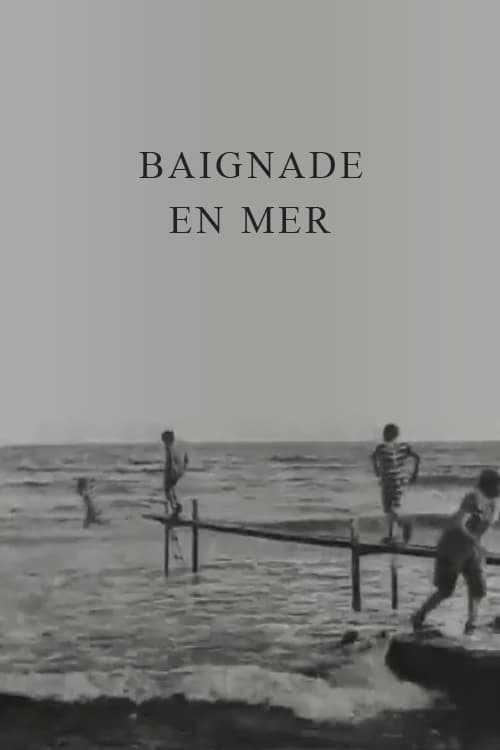
The Sea
1895
No user ratings available yet
Diversity score: 3.0 out of 10

1930
Director
Jean Epstein
Runtime
26 minutes
Average Rating
No ratings yetSynopsis
Jean Epstein’s short documentary filmed on the Breton island of Sein, which film preservationist and cinephile Henri Langlois called “one of the most beautiful documentaries in the history of French film, a true poem about Brittany and the sea."
Overall Score
Fair
Category Breakdown
LGBTQ+ Representation
The film focuses on the natural world and communal rhythms of island life. There is no documented evidence of explicit LGBTQ+ characterizations or narratives.
Gender Representation
Epstein captures the daily labor of the Breton people. While it follows traditional communal roles, the poetic lens avoids the reductive femininity common in commercial cinema.
Racial & Ethnic Diversity
The film studies a homogeneous group of Bretons on the island of Sein. It serves as a record of a distinct regional identity without engaging in intersectional racial dynamics.
Religious & Cultural Diversity
The work treats the landscape with spiritual reverence, bypassing colonialist gazes. It emphasizes a secular, sensory connection between humanity and the sea.
Disability Representation
There are no specific depictions of visible or invisible disabilities. The focus remains on the collective movement of the community and the elements.
Strengths
Areas for Improvement
AI Analysis
Jean Epstein’s documentary is a poetic study of the Breton island of Sein rather than a character-driven narrative. Because it functions as a non-narrative observational work, it lacks the traditional arcs required for high scores in identity-based representation. The film excels in its humanistic portrayal of a specific regional culture, offering a nuanced look at the Bretons. However, its homogeneous focus and the era's documentary constraints result in limited diversity across other social categories. Ultimately, the film's value lies in its atmospheric disruption of the objective documentary lens, prioritizing sensory experience over overt political or social messaging.
1895

1958

1953

1897

2012

1950

2008

1978
1963

1961

2007

2005
No reviews yet. Be the first to share your thoughts on this movie!
Use the rating form above to leave a star rating and optional review.