
Work in Progress
2001
No user ratings available yet
Diversity score: 5.1 out of 10
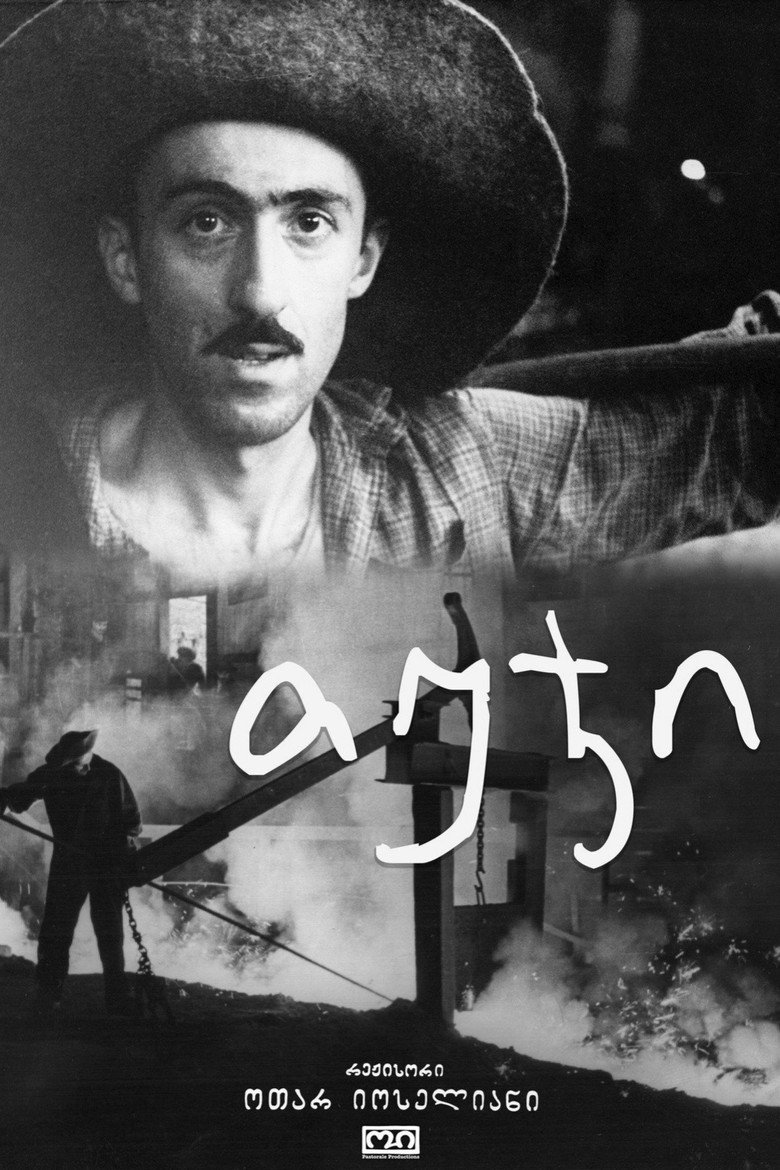
1964
Director
Otar Ioseliani
Runtime
20 minutes
Average Rating
No ratings yetSynopsis
Documentary of the Rustavi Metal Works, in the country of Georgia.
Overall Score
Fair
Category Breakdown
LGBTQ+ Representation
The film lacks explicit LGBTQ+ characters or narratives. As a 1964 industrial documentary, it focuses on collective labor rather than queer identity or critiques of heteronormativity.
Gender Representation
Representation reflects mid-century industrial workforce structures. While it avoids highly stylized patriarchal archetypes, it does not actively subvert existing gender hierarchies within the labor setting.
Racial & Ethnic Diversity
The workforce is ethnically homogeneous within the Georgian/Soviet context. However, it offers a non-Western perspective that disrupts the traditional Anglo-Saxon gaze of mid-century filmmaking.
Religious & Cultural Diversity
The film centers on collective, state-driven industrial output. This focus on systemic processes over individualistic 'hero' narratives provides a critique of Western capitalist structures.
Disability Representation
There is no discernible evidence regarding the portrayal of physical or neurodivergent disabilities in this documentary.
Strengths
Areas for Improvement
AI Analysis
Cast Iron is a formalist exercise in observational cinema that prioritizes rhythm and texture over traditional storytelling. Its value lies in its poetic, non-linear approach to industrial labor rather than explicit identity politics. The film disrupts Western narrative expectations by focusing on a non-Western socio-economic environment. It replaces didacticism with a sensory exploration of the Rustavi Metal Works. While the work lacks modern intersectional representation, it provides a sophisticated look at collective labor that challenges individualistic Western tropes.
2001
1972
2003
1969
1948
1969
1971
1958
1986
2016
1973
1973
No reviews yet. Be the first to share your thoughts on this movie!
Use the rating form above to leave a star rating and optional review.