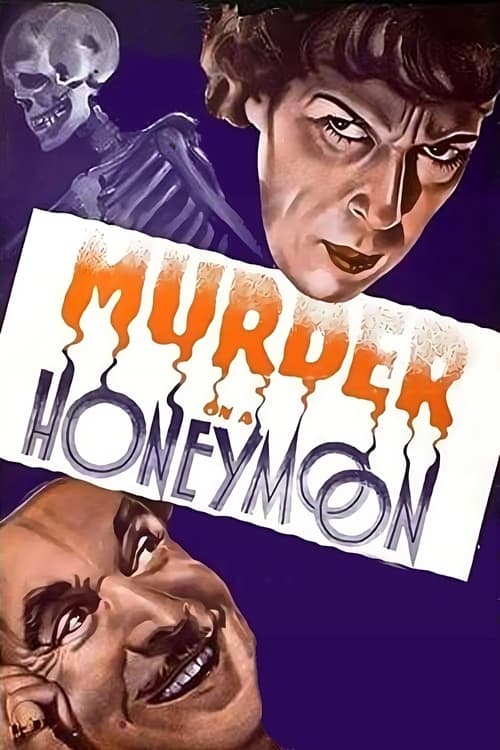
Murder on a Honeymoon
1935
No user ratings available yet
Representation score: 3.2 out of 10
Representation Score
Minimal
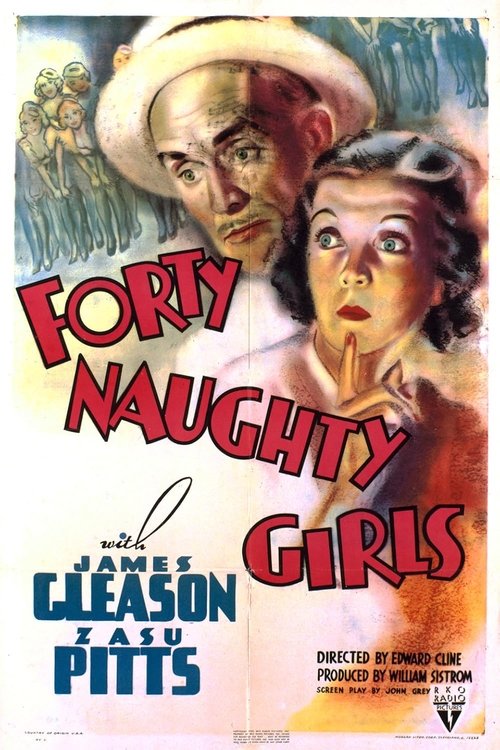
1937
NRDirector
Edward F. Cline
Runtime
63 minutes
Average Rating
No ratings yetNew Showbiz Analysis
Forty Naughty Girls is a product of the 1930s studio system, emphasizing conventional social hierarchies and traditional narrative structures. While the female lead offers some ability to act, the film remains firmly rooted in the era's standard clichés. The production lacks diversity, presenting a homogeneous view of society centered on white, urban entertainment culture. It operates as a standard genre piece rather than a subversion of cultural norms. Ultimately, the film reflects the limited social representation available in mainstream Hollywood during its release year, focusing on established social stability.
Category Breakdown
The film follows the heterosexual norms of the 1930s. There are no representations of LGBTQ+ identities or non-cisgender characters.
Hildegarde Withers plays a key role as an investigator. However, her intelligence is often balanced against traditional social expectations and male validation.
The production reflects the era's focus on Anglo-Saxon culture. The cast appears homogeneous, with no evidence of diverse ensemble players or race-bent casting.
The film celebrates established urban culture through a Broadway show. It reinforces the social stability and moral clarity typical of 1930s studio productions.
There is no evidence regarding the inclusion or portrayal of characters with physical or neurodivergent disabilities in this mystery-comedy.
Present on Screen
Limited or Absent
Official Synopsis
Hildegarde Withers and Inspector Piper try to solve a murder while attending a popular Broadway show.
1935
1941
1950
1944
1939
1939
1941
1936
No reviews yet. Be the first to share your thoughts on this movie!
Use the rating form above to leave a star rating and optional review.