
Robbery Roman Style
1964
No user ratings available yet
Representation score: 2.0 out of 10
Representation Score
Limited
1961
Director
Teruo Ishii
Runtime
84 minutes
Average Rating
No ratings yetNew Showbiz Analysis
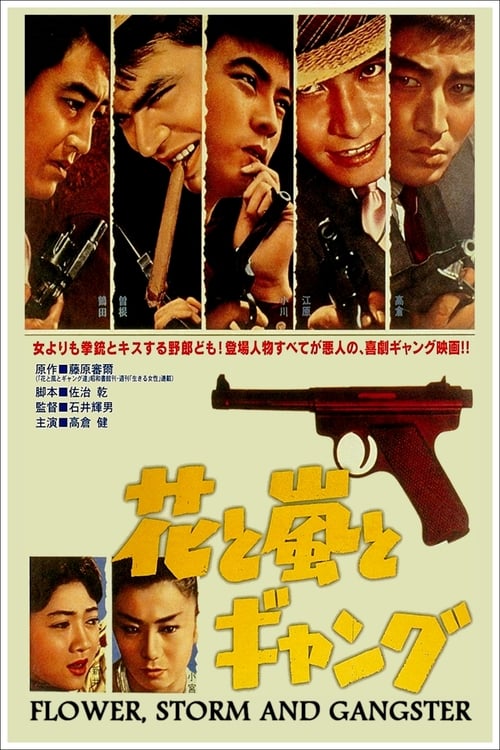
Teruo Ishii’s 1961 crime thriller is a genre-driven study of greed and betrayal. The film operates within the standard social and gendered frameworks of early 1960s Japanese cinema, prioritizing a male-centric heist plot over demographic complexity. While the narrative challenges traditional moral hierarchies by depicting criminals as central figures, it lacks intentional characters who reflect more than one aspect of diversity. The focus remains on the internal machinations of a male gang rather than diverse social perspectives. Ultimately, the film functions as a period-specific crime piece, reflecting the homogeneous cultural context of its time, offering little in the way of progressive representation or varied identity-based narratives.
Category Breakdown
The film does not include any explicit LGBTQ+ characters or narratives. It follows the assumption that everyone is straight or cisgender, typical of 1961 Japanese crime cinema.
The story focuses on a male-dominated gang of bank robbers. Despite mentioning 'Flower' in the title, the plot is driven by men's actions and betrayals.
As a domestic Japanese production, the cast is ethnically uniform. The film reflects the social reality of its era without incorporating multicultural frameworks.
The story explores moral relativism through criminal betrayal. It challenges traditional views of social stability by focusing on individual greed and corruption.
There is no documented evidence of characters with physical or neurodivergent disabilities in this work.
Present on Screen
Limited or Absent
Official Synopsis
A gang of bank robbers plan a big robbery, but they all plot to betray each other after the heist for different reasons.
1964

1968
2000

1966

1964

1960
1961

1997
No reviews yet. Be the first to share your thoughts on this movie!
Use the rating form above to leave a star rating and optional review.