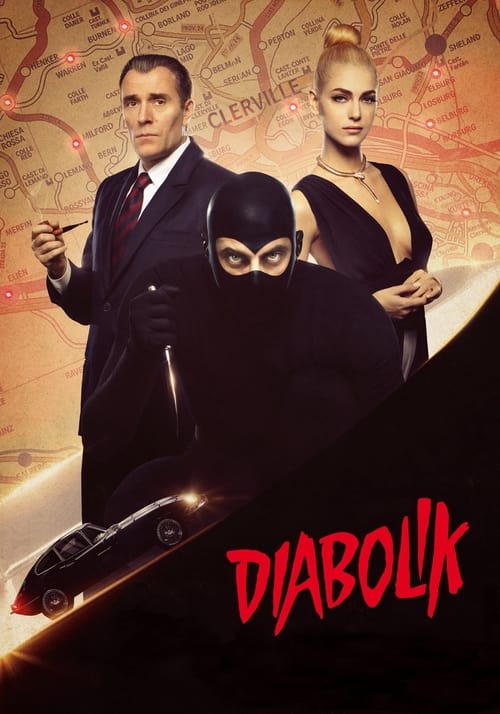
Diabolik
2021
No user ratings available yet
Representation score: 4.2 out of 10
Representation Score
Limited
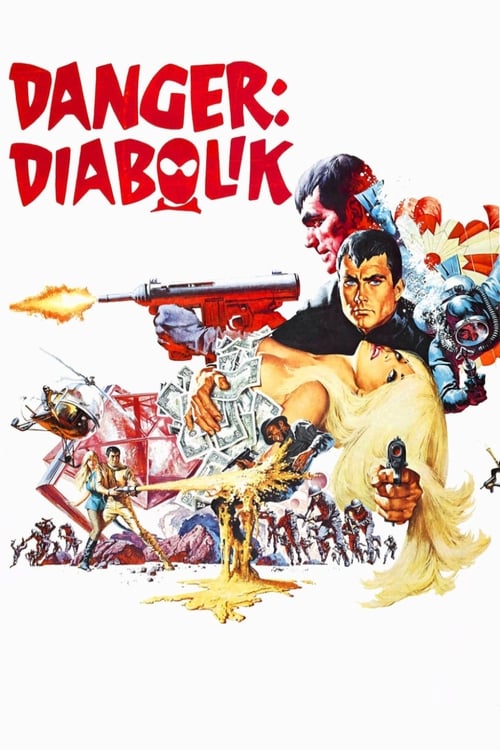
1968
PG-13Director
Mario Bava
Runtime
104 minutes
Average Rating
No ratings yetNew Showbiz Analysis
Mario Bava’s crime thriller stands out for its sophisticated subversion of traditional gender roles. The partnership between Diabolik and Eva Kant replaces hierarchical gender dynamics with a model of shared responsibility and intellectual parity, making it a standout feature of the film. However, the film remains limited by the era's cinematic conventions. It lacks LGBTQ+ and racial diversity, presenting a largely homogeneous European world that offers little representation for non-traditional or diverse ethnic identities. Ultimately, the film's strength lies in its rejection of institutional morality. By portraying criminals as glamorous protagonists, it challenges the standard moralizing found in mid-century crime procedurals, favoring a more subjective, stylistic approach to ethics.
Category Breakdown
The film centers on the romantic and criminal relationship between Diabolik and Eva Kant. It does not include any LGBTQ+ identities or queer-coded subtext, sticking to a traditional heterosexual structure.
Eva Kant challenges traditional gender roles by being an equally competent and autonomous partner. She shares equal responsibility in the heists, subverting mid-century stereotypes of women as domestic figures through intellectual and strategic equality.
The cast and setting are primarily homogeneous within a stylized European backdrop. The film does not feature diverse ethnic representation, reflecting the Euro-centric aesthetics of the time.
The narrative employs moral relativism by portraying criminals as glamorous protagonists. It avoids traditional moral lessons, depicting legal authority as an obstacle rather than a moral absolute.
There are no prominent depictions of physical or neurodivergent disabilities. Such traits do not significantly influence the characters or the storyline.
Present on Screen
Limited or Absent
Official Synopsis
International man of mystery Diabolik and his sensuous lover Eva Kant pull off heist after heist, all while European cops led by Inspector Ginko and envious mobsters led by Ralph Valmont are closing in on them.
2021

1969
1974

1964

1968

1972
1966

1971
No reviews yet. Be the first to share your thoughts on this movie!
Use the rating form above to leave a star rating and optional review.