
Big Deal on Madonna Street
1958
No user ratings available yet
Representation score: 4.0 out of 10
Representation Score
Limited
1960
NRDirector
Basil Dearden
Runtime
116 minutes
Average Rating
No ratings yetNew Showbiz Analysis
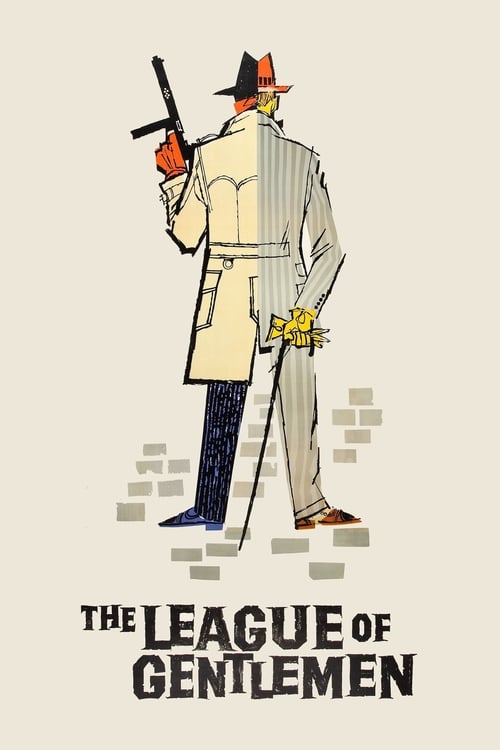
The film contrasts its conservative casting with progressive themes. While the gender dynamics reflect patriarchal norms, the narrative exposes systemic prejudice. By presenting the protagonists as vigilantes rather than moral heroes, the film critiques social structures and uses the crime genre to explore societal tensions and prejudice.
Category Breakdown
The film adheres to a traditional framework and does not include any queer subtext or non-cisgender identities.
The story is dominated by male characters, while female characters are limited to minor roles, reinforcing traditional patriarchal structures.
The film highlights racial tensions by focusing on conflicts between the protagonists and the West Indian community, exposing the mechanisms of prejudice.
The story questions traditional British identity by portraying the protagonists' exclusionary views as harmful and dysfunctional.
The film does not depict any significant physical or neurodivergent disabilities within the main storyline.
Present on Screen
Limited or Absent
Official Synopsis
Involuntarily-retired Colonel Hyde recruits seven other dissatisfied ex-servicemen for a special project. Each of the men has a skeleton in the cupboard, is short of money, and is a service-trained expert in his field. The job is a bank robbery, and military discipline and planning are imposed by Hyde and second-in-command Race on the team, although civilian irritations do start getting in the way.
1958

1964
1978

1955

1964

1966

1965

1972
No reviews yet. Be the first to share your thoughts on this movie!
Use the rating form above to leave a star rating and optional review.