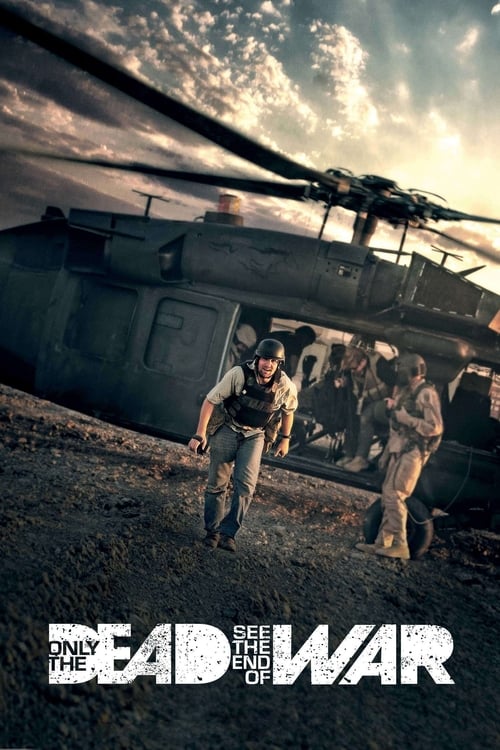
Only the Dead
2015
No user ratings available yet
Representation score: 5.7 out of 10
Representation Score
Fair
2010
Director
Anthony Wonke
Runtime
68 minutes
Average Rating
No ratings yetNew Showbiz Analysis
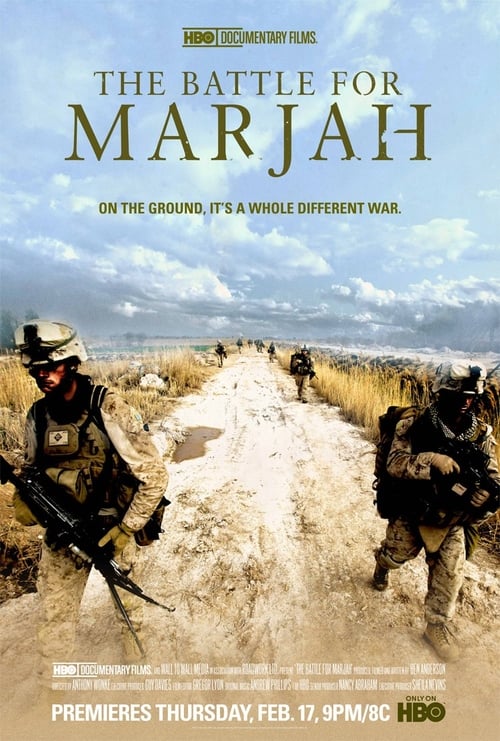
The documentary stands out by dismantling the Western-centric viewpoint and elevating local voices over a dominant military narrative. It avoids the simplistic good-versus-evil dichotomy, instead presenting a nuanced, morally relative portrayal of the conflict. However, the film adheres closely to traditional gender roles, limiting women's roles to domestic or conflict-related contexts. It also lacks representation for LGBTQ+ identities and neurodivergent experiences. Overall, the film's strength lies in its refusal to center the Western perspective, even though it falls short in representing certain underrepresented communities.
Category Breakdown
The film does not include any LGBTQ+ characters or narratives related to queer identities in the Marjah region.
Women are primarily shown in domestic settings or as part of conflicts, rather than as key political figures. The film highlights traditional gender roles without significantly challenging them.
By giving significant roles to Afghan civilians, the film breaks away from the typical 'soldier-as-hero' cliché, offering a non-Western perspective on the conflict.
The film examines the tension between Western intervention and local sovereignty using a post-colonial lens. It presents a range of subjective moral viewpoints rather than a single moral framework.
The film depicts physical trauma and the health impacts of war as evidence of violence. However, it does not explore these issues through the lens of disability or identity.
Present on Screen
Limited or Absent
Official Synopsis
Tells the story of Operation Moshtarak, the biggest operation since the start of the Afghanistan war, whose main target was the Taliban stronghold of Marjah. For two months, VBS correspondent Ben Anderson got to know the American forces behind Operation Moshtarak and filmed the brutal realities of their life on the front lines.
2015
2010
2011
2010

2010
2011
2013
2019
No reviews yet. Be the first to share your thoughts on this movie!
Use the rating form above to leave a star rating and optional review.