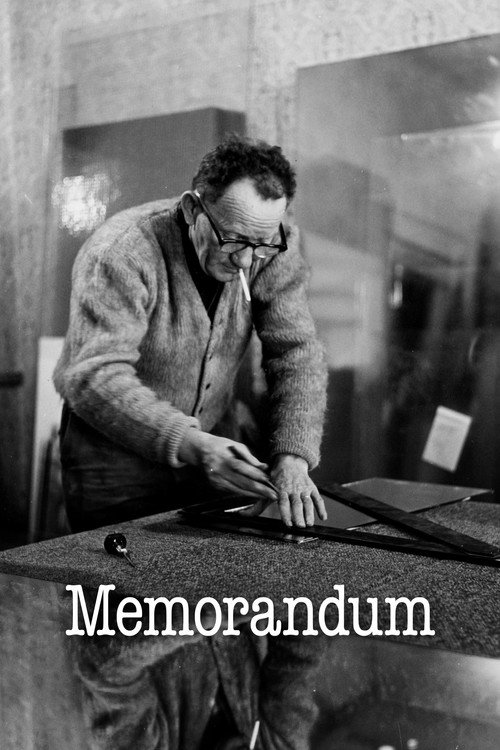
Memorandum
1967
No user ratings available yet
Representation score: 5.9 out of 10
No Poster Available
Representation Score
Fair
2002
Director
Lech Kowalski
Runtime
84 minutes
Average Rating
No ratings yetNew Showbiz Analysis
Lech Kowalski’s documentary shifts the historical lens away from major political movements toward underrepresented individuals. By highlighting ethnic minorities and those on the fringes of society, the film weaves a complex tapestry of survival. While the film does not engage with LGBTQ+ identities or gender clichés, it excels in dismantling traditional historical narratives. It replaces the 'great man' theory of history with the lived experiences of the displaced and destitute. The documentary uses the crumbling infrastructure of the Nazi invasion route to explore modern-day exclusion, offering a humanistic study of resilience amid systemic decay.
Category Breakdown
The film does not include any explicit references to LGBTQ+ characters or stories about sexual identity. Instead, it focuses on socio-economic and historical themes.
Female characters, such as a Bulgarian sex worker, are shown within the narrative. However, these depictions tend to emphasize vulnerability and systemic hardship rather than active roles.
The documentary highlights underrepresented voices, featuring Ukrainian refugees and Bulgarian migrants. A Romani man’s testimony about the Holocaust offers a deeply layered perspective on survival.
The film critiques historical power structures by showing individuals dealing with the aftermath of systemic collapse. It prioritizes personal truths over traditional historical stability.
A man in a wheelchair is depicted with real influence through his business and expertise. He is portrayed as a nuanced character navigating a tough environment.
Present on Screen
Limited or Absent
Official Synopsis
Lech Kowalski travels the oldest highway in Poland, built by Hitler as an invasion route to the east. As the road literally crumbles into history he discovers that it is now a vital link to the west and encounters people and locations that connect it to the present. A hooker from Bulgaria under an umbrella scared her pimp may show up and see that business is horrible in the rain. A one legged man in a wheel chair selling mushrooms in the tornado like wake of speeding trucks describing the best way to cook what he sells. Destitute Ukrainians hiding on a former Warsaw Pact Nuclear air base serve tea to a former cop still patrolling the property. Young people escaping the glare of reality in underground bunkers built by the Nazis. Bombed out ruins still guarding stretches of the concrete road. Gypsies on a pilgrimage in Auschwitz twist the plot and suddenly we are in a candle lit hut, in a gypsy village listening to a man describe how he lost his father to the Holocaust.
1967
1998
2006
1985
2006
2000
1988
1967
No reviews yet. Be the first to share your thoughts on this movie!
Use the rating form above to leave a star rating and optional review.