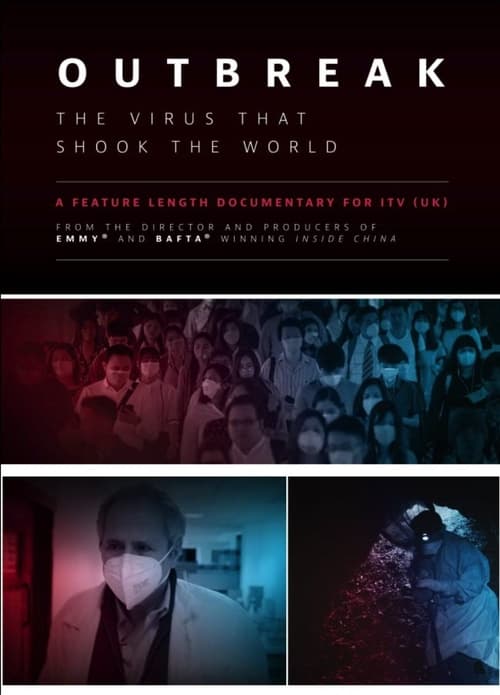
Outbreak: The Virus That Shook The World
2021
No user ratings available yet
Diversity score: 5.9 out of 10
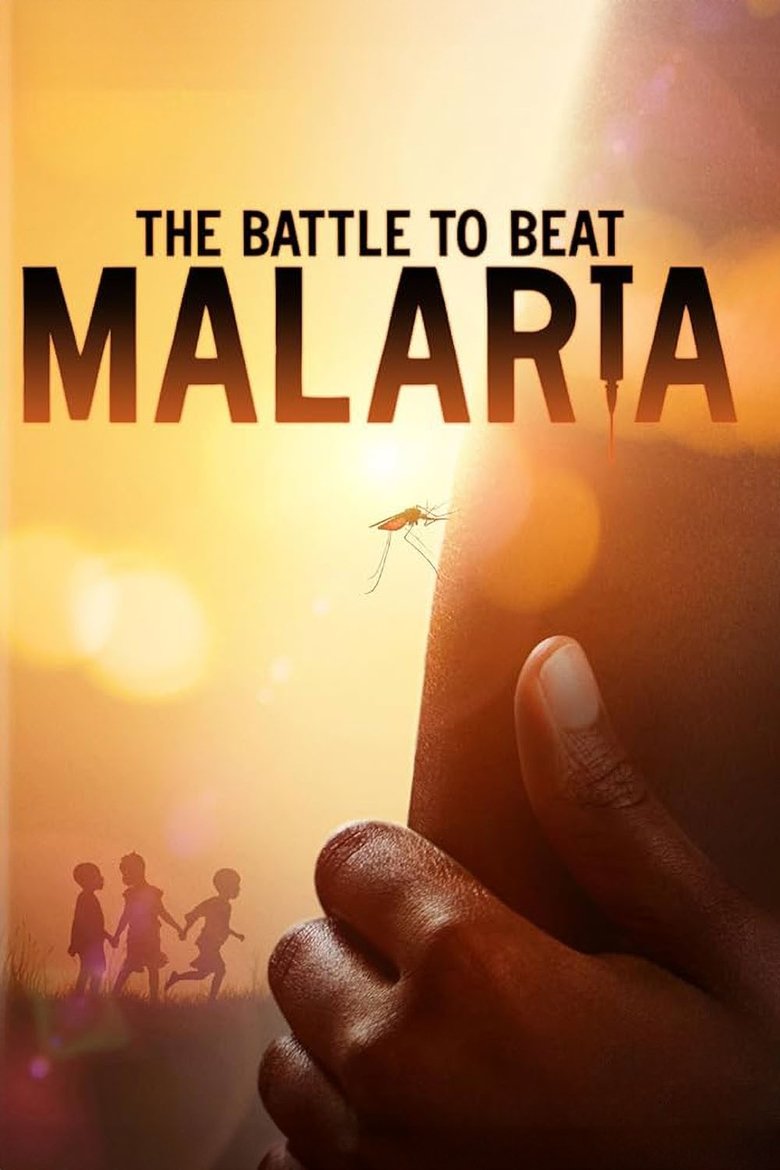
2024
TV-PGDirector
Catherine Gale
Runtime
59 minutes
Average Rating
No ratings yetSynopsis
In medical science, there’s been no longer harder fight than against malaria. This is the inside story of a historic new vaccine - from the Oxford lab behind the COVID jab.
Overall Score
Fair
Category Breakdown
LGBTQ+ Representation
The documentary focuses on clinical and historical accuracy regarding vaccine development. It does not feature LGBTQ+ characters or narratives exploring non-heteronormative identities.
Gender Representation
The film highlights the collaborative scientific efforts within the Oxford lab. This structure provides a platform for professional agency that can challenge masculine-dominated views of scientific discovery.
Racial & Ethnic Diversity
Because malaria disproportionately affects sub-Saharan Africa, the film must engage with non-Western populations. The narrative connects Western scientific innovation with diverse, global communities.
Religious & Cultural Diversity
The story explores the tension between centralized scientific institutions and the needs of the developing world. It frames the vaccine fight as a global humanitarian effort.
Disability Representation
The film likely addresses the physical toll of infectious disease. However, it lacks specific evidence of neurodivergent representation or individuals with disabilities as central agents.
Strengths
Areas for Improvement
AI Analysis
The documentary shifts the focus from purely Western scientific triumphs toward a model of global humanitarianism. By centering a crisis that impacts the Global South, it disrupts conventional geopolitical narratives. While the film lacks explicit, identity-driven character arcs common in scripted drama, its subject matter necessitates an engagement with systemic global inequities. The narrative architecture is built around the intersection of medical innovation and global health access. Ultimately, the film's value lies in its potential to highlight the intersectional impact of medical equity on a global scale rather than just celebrating laboratory achievements.
2021
2010
2017

2020
2011
2021

2020

2020

2024
2021
2018

2021
No reviews yet. Be the first to share your thoughts on this movie!
Use the rating form above to leave a star rating and optional review.