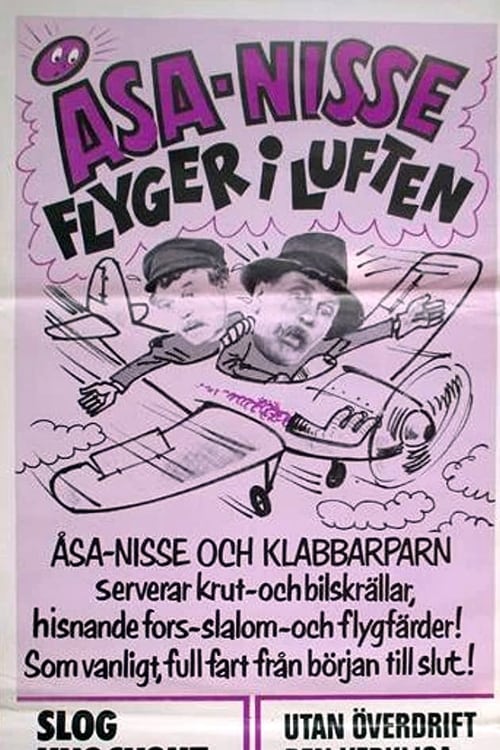
Åsa-Nisse flyger i luften
1956
No user ratings available yet
Representation score: 0.9 out of 10
Representation Score
Minimal
1965
Director
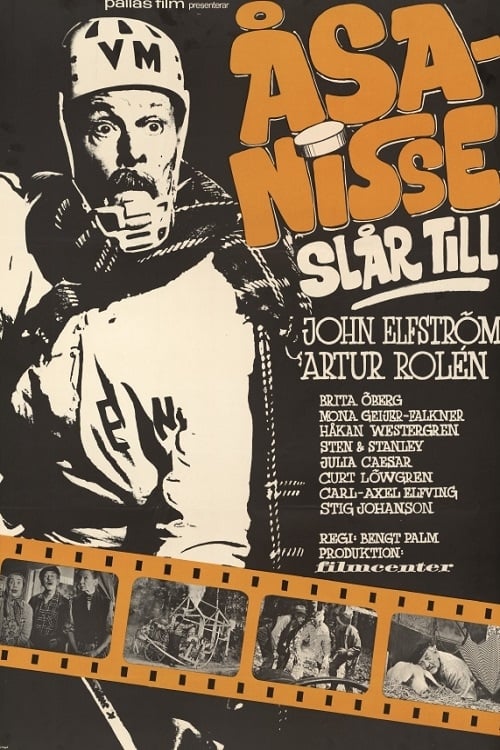
Bengt Palm
Runtime
87 minutes
Average Rating
No ratings yetNew Showbiz Analysis
Åsa-Nisse slår till is a traditional folk comedy that focuses on regional comedic elements rather than challenging societal norms. The film serves as commercial entertainment grounded in the cultural traditions of the Swedish countryside. The narrative depends on established social hierarchies and a homogeneous demographic profile. While the protagonist's antics provide light-hearted humor, it does not question systemic power or institutional corruption. Overall, the film adopts a conventional approach to gender, race, and social morality, reflecting the specific temporal and cultural context of mid-1960s Sweden.
Category Breakdown
The film does not include any LGBTQ+ characters or representations of non-straight relationships. It follows traditional romantic structures typical of the 1960s era.
Women play supporting roles in the film, participating in activities like the jenka contest but lacking independent ability to act to drive the plot forward.
The cast is predominantly white and Swedish, reflecting a homogeneous rural population. The film portrays a localized, ethnically uniform view of the countryside.
The story upholds traditional social structures and rural working-class life. It presents a stable community without critiquing Western institutions.
There is no representation of visible or invisible disabilities. No characters are used as plot devices related to physical or mental health issues.
Present on Screen
Limited or Absent
Official Synopsis
Åsa-Nisse and Klabbarparn with wives taking part in a jenka-contest from Knohult to Vetlanda where he reports with his homemade walkie-talkie. Then he demonstrates the "Demon-Spritzer", a self-made cement machine which then breaks down and squirts down Klabbarparn with cement. Sjökvist is robbed and bike down with his delivery-bicycle in water at a beach. The robbers then repents and wants to return the money. Features performances from artists Sten & Stanley, The Moonlighters, and Shane.
1956

1964
1969
1968
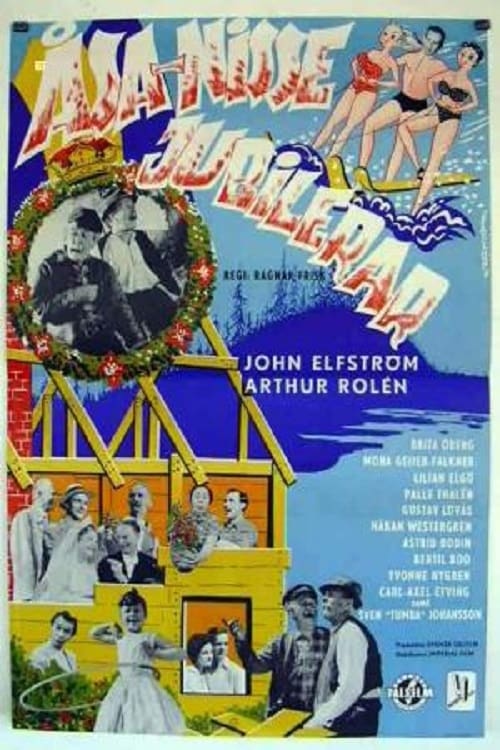
1959
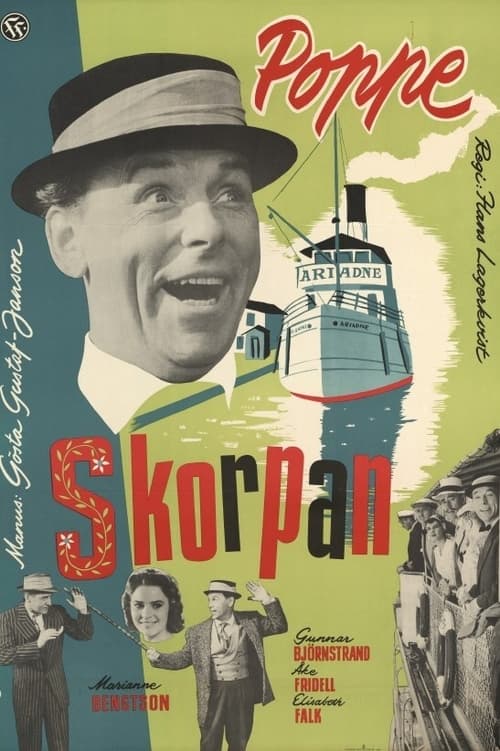
1956
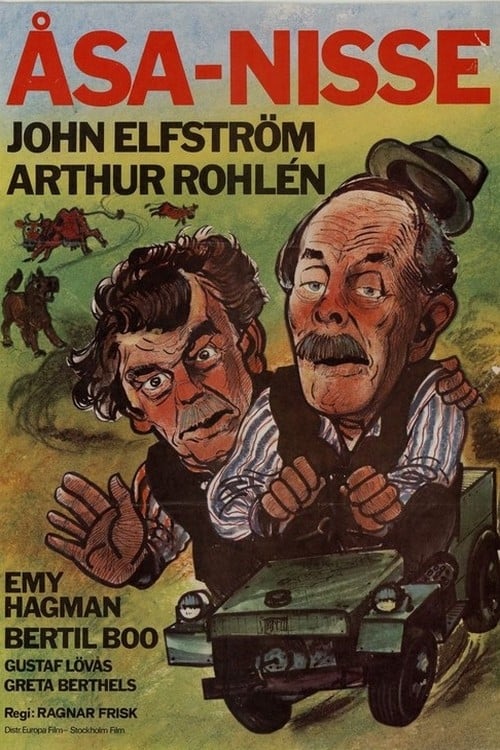
1949
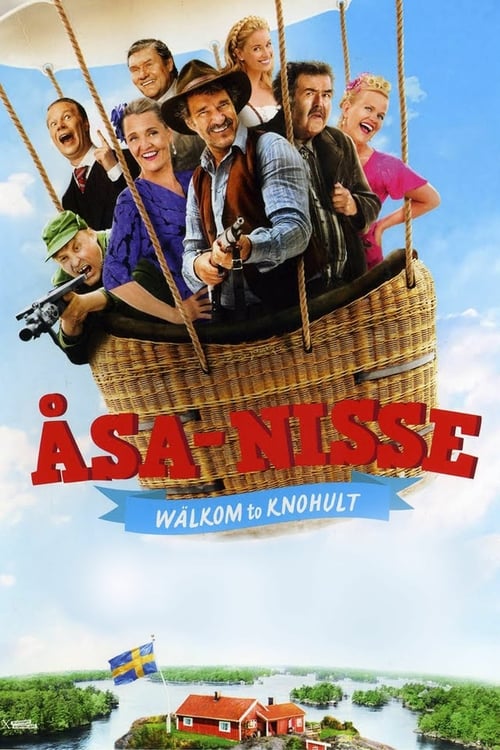
2011
No reviews yet. Be the first to share your thoughts on this movie!
Use the rating form above to leave a star rating and optional review.