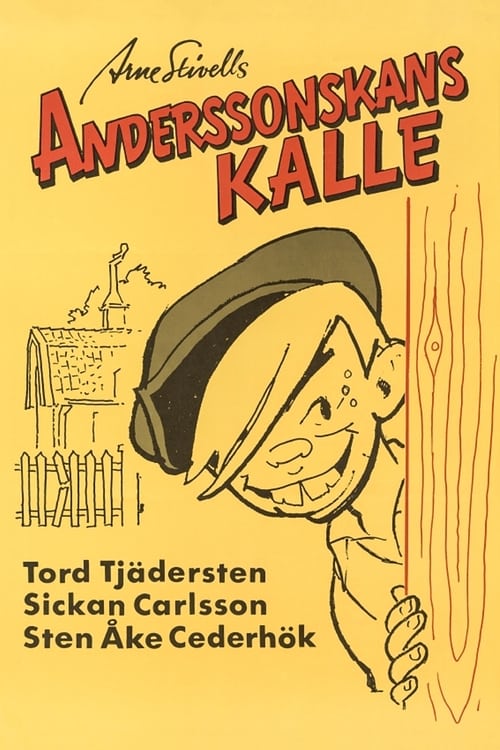
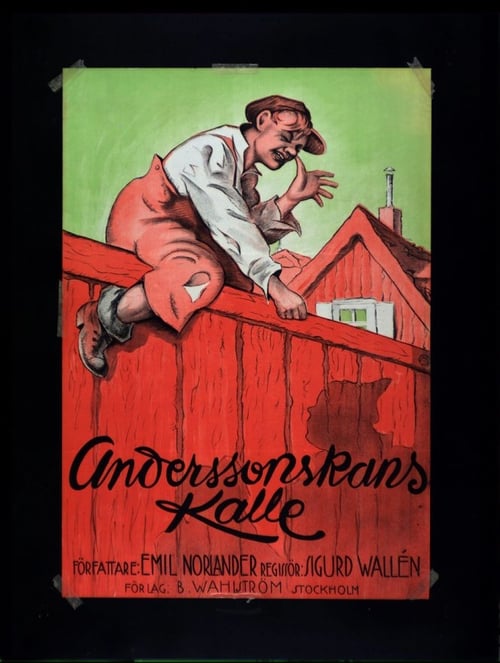
Anderssonskans Kalle
1972
No user ratings available yet
Representation score: 2.9 out of 10
Representation Score
Minimal
1922
BtlDirector
Sigurd Wallén
Runtime
78 minutes
Average Rating
No ratings yetNew Showbiz Analysis
Anderssonskans Kalle is a 1922 comedy centered around a mischievous main character. The film follows a traditional comedic structure focused on neighborhood pranks rather than any intentional deconstruction of social hierarchies. Due to limited archival records, specific character arcs and casting details are unknown. The film appears to reflect the social norms of early 20th-century Swedish cinema. Overall, the film lacks documented characters who reflect more than one aspect of diversity or progressive narrative disruption, reflecting the homogeneous social environments typical of early 20th-century productions.
Category Breakdown
The film does not show any LGBTQ+ identities, which was common for movies made in 1922.
The story focuses on a male character causing trouble, following a traditional comedic format. There is no sign of strong female roles or challenging gender norms.
The movie likely reflects the homogeneous society of the time. There is no evidence of diverse casting or non-white characters.
The film seems to follow the traditional cultural norms of early 20th-century Sweden. It does not challenge institutions or capitalism.
There is no information about the portrayal of neurodivergence or physical disabilities in this film.
Present on Screen
Limited or Absent
Official Synopsis
Anderssonskans Kalle is the horror of the neighborhood due to his mischief.
1972
1952
1968
1956
1981
1956
1969
1943
No reviews yet. Be the first to share your thoughts on this movie!
Use the rating form above to leave a star rating and optional review.