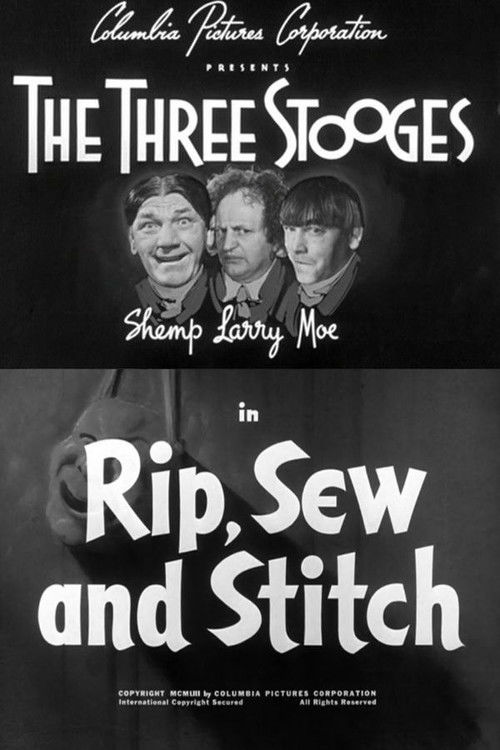
Rip, Sew and Stitch
1953
No user ratings available yet
Representation score: 2.7 out of 10
Representation Score
Minimal
1947
TV-GDirector
Jules White
Runtime
17 minutes
Average Rating
No ratings yetNew Showbiz Analysis
This 1947 short functions as a standard piece of mid-century slapstick, prioritizing physical humor over social complexity. The narrative is driven by traditional economic motivations, specifically the need to pay debts to save a tailor shop. The film adheres strictly to the social constraints of its era, offering a homogeneous cast and a male-centric perspective. It lacks any intentional subversion of systemic hierarchies or storytelling that reflects multiple aspects of identity. Ultimately, the work operates within a conventional framework that reinforces existing social and economic structures rather than challenging them.
Category Breakdown
There are no LGBTQ+ characters or narratives in the film. The plot revolves around a comedic chase to settle a commercial debt.
The story centers on a male-dominated dynamic led by The Three Stooges. Women are sidelined and the comedy relies on traditional masculine stereotypes.
The casting follows a homogeneous structure typical of 1940s studio shorts. There is no indication of diverse casting or characters representing different races.
The narrative emphasizes traditional Western values related to capitalism and small business ownership. It centers on resolving debt and maintaining law and order through conventional economic responsibility.
No characters with visible or invisible disabilities are portrayed with significant roles. Physical vulnerability is used as a slapstick comedic device rather than a nuanced exploration of disability.
Present on Screen
Limited or Absent
Official Synopsis
The three stooges pursue a notorious burglar in order to pay past due notes to the Skin & Flint company and save their tailor shop.
1953
1950
1953
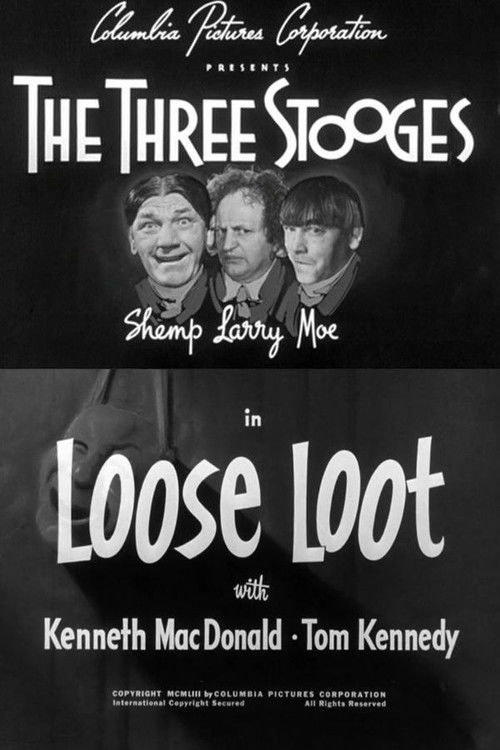
1953
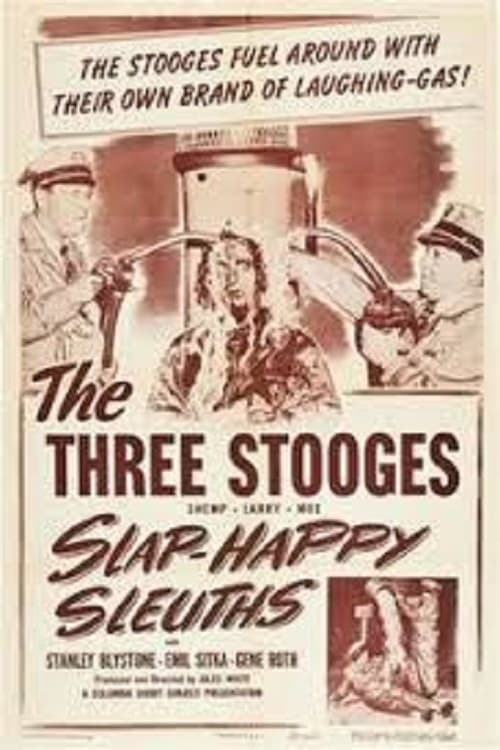
1950
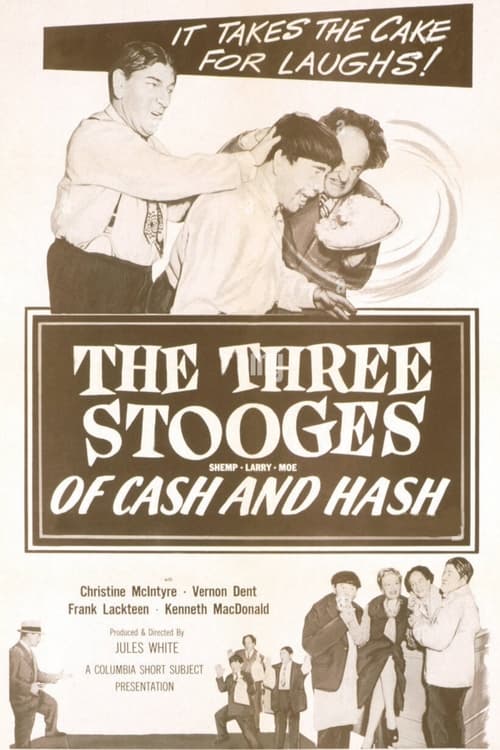
1955
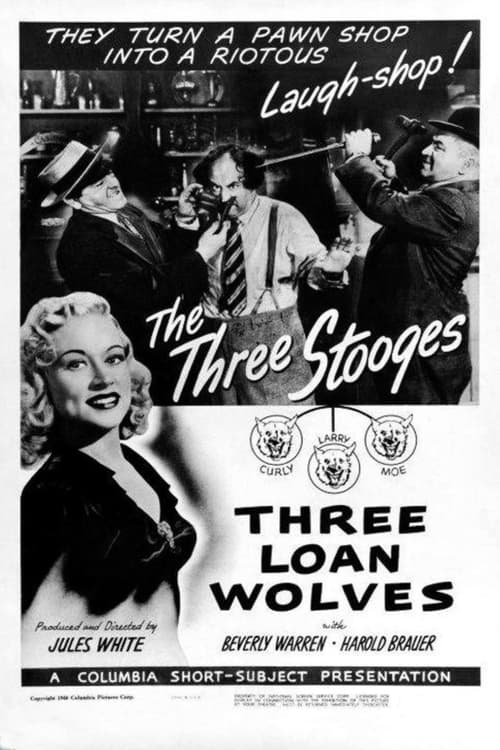
1946
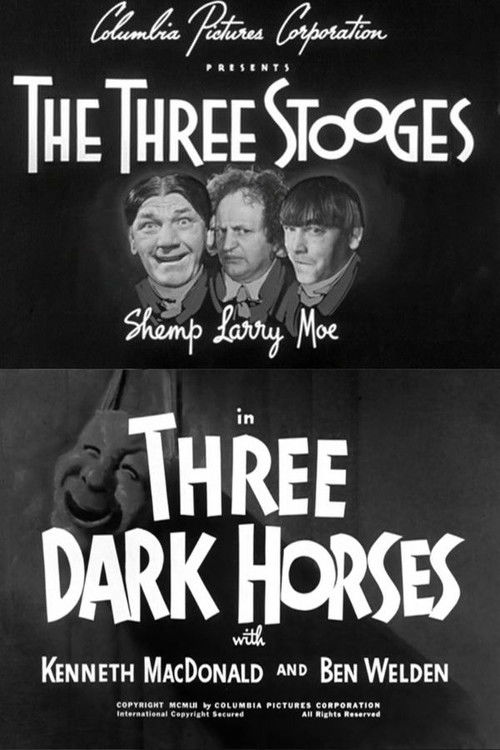
1952
No reviews yet. Be the first to share your thoughts on this movie!
Use the rating form above to leave a star rating and optional review.