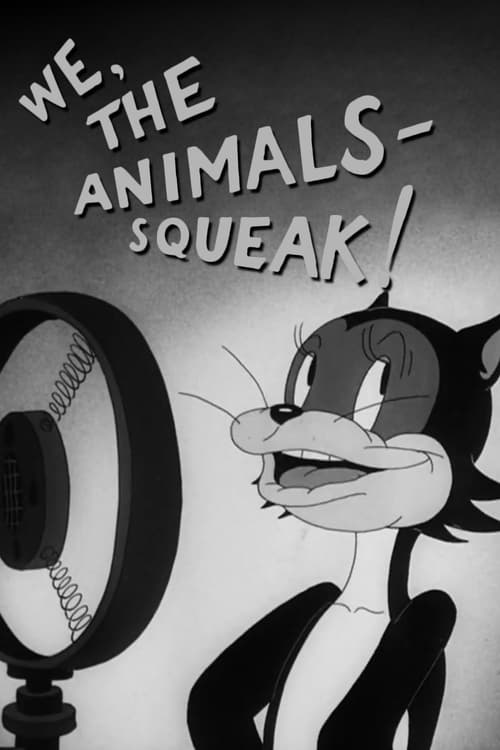
We, the Animals - Squeak!
1941
No user ratings available yet
Diversity score: 2.9 out of 10
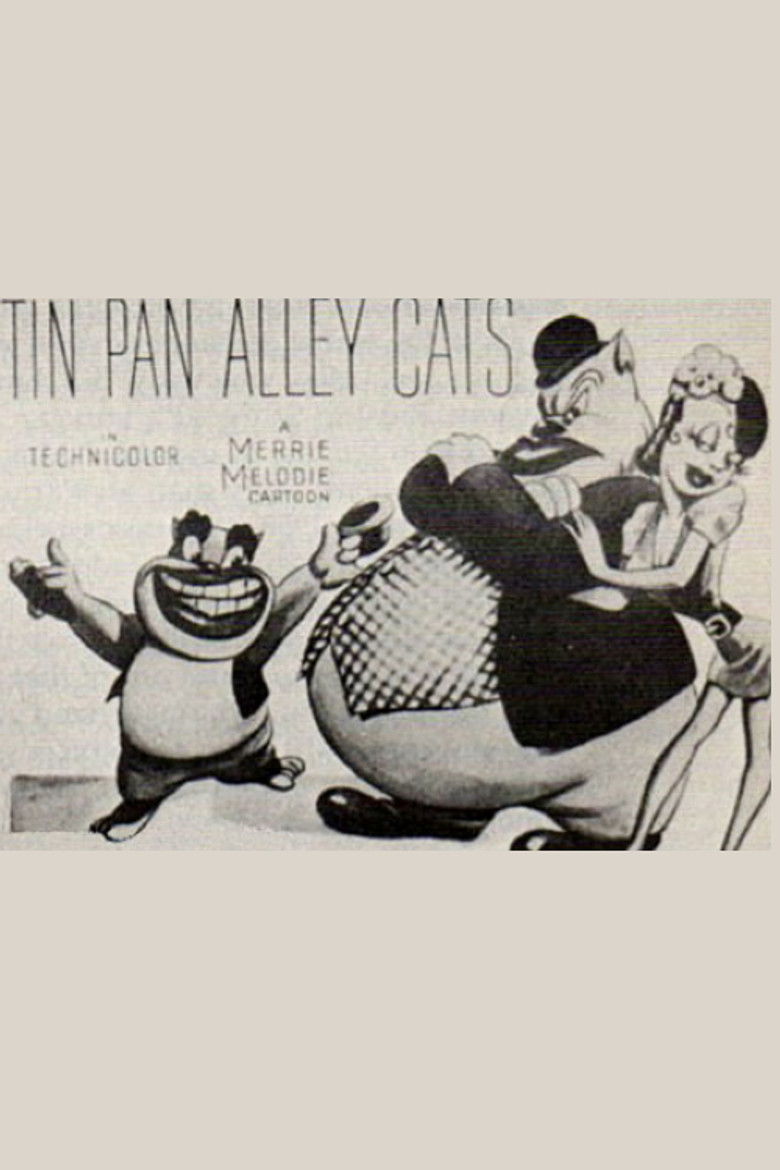
1943
Director
Robert Clampett
Runtime
7 minutes
Average Rating
No ratings yetSynopsis
A jazz cartoon involving a "Fats Waller"-like cat who leaves the "Uncle Tomcat Mission" for the local jazz club. One of the “Censored 11” banned from TV syndication by United Artists in 1968 for racist stereotyping.
Overall Score
Minimal
Category Breakdown
LGBTQ+ Representation
The film contains no depictions of queer narratives or non-cisnormative identities. Character dynamics remain strictly within the traditional social structures of the 1940s.
Gender Representation
The narrative centers on a male-dominated musical environment. Female characters appear only as decorative elements in the background, lacking any meaningful agency.
Racial & Ethnic Diversity
The animation relies on racialized animal archetypes and derogatory stereotypes. References to the 'Uncle Tom' trope reinforce historical hierarchies and systemic inequality.
Religious & Cultural Diversity
The film upholds mid-century social norms through racialized humor. It reinforces existing social hierarchies rather than challenging or deconstructing Western institutions.
Disability Representation
There is no representation of physical, neurodivergent, or sensory disabilities present in this work.
Strengths
Areas for Improvement
AI Analysis
Tin Pan Alley Cats serves as a stark historical artifact of systemic bias in mid-century animation. The film utilizes anthropomorphic animals to perpetuate harmful racial caricatures and tropes. Its reliance on the 'Uncle Tom' archetype demonstrates a narrative designed to reinforce, rather than disrupt, historical racial hierarchies. Because the humor is derived from mocking specific ethnic identities, the work fails to provide any meaningful or intersectional representation. Its inclusion in the 'Censored Eleven' highlights its role in perpetuating marginalization through visual shorthand and derogatory dialect.
1941
1943
1950
1942
1945
1929

1935
1932
1952
1943
1965
1933
No reviews yet. Be the first to share your thoughts on this movie!
Use the rating form above to leave a star rating and optional review.