Cat Napping
1951
No user ratings available yet
Representation score: 0.1 out of 10
Representation Score
Minimal
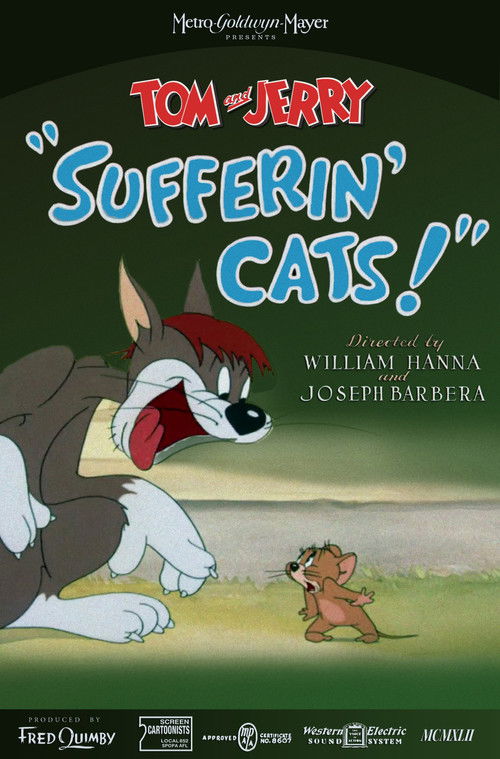
1943
NRDirector
William Hanna, Joseph Barbera
Runtime
8 minutes
Average Rating
No ratings yetNew Showbiz Analysis
This 1943 short is a quintessential example of mid-century slapstick, prioritizing kinetic physical comedy over narrative depth. The conflict is driven by territorial disputes and dominance among animal characters, reinforcing traditional hierarchies rather than challenging them. The film operates within a framework that avoids any exploration of culture, systemic power, or characters who reflect more than one aspect of diversity. It focuses on individualistic struggle and physical humor rather than social or identity-driven complexity. Ultimately, the work is a product of its era, emphasizing physical comedy and avoiding complex social issues.
Category Breakdown
The film does not include any depictions of LGBTQ+ identities or same-sex relationships. It focuses on a territorial dispute between animal characters within a framework that assumes everyone is straight and cisgender.
The story centers on male characters engaging in physical aggression. It relies on traditional masculine stereotypes of dominance without challenging gender hierarchies or exploring non-traditional roles.
The use of anthropomorphic animals creates a homogeneous cast. There is no evidence of diverse human casting or complex ethnic subtext within this slapstick conflict.
The work operates within a Western comedic tradition focused on situational humor. It avoids systemic critiques or engagements with diverse cultural, secular, or anti-institutional themes.
No characters have visible or invisible disabilities. Physical comedy involves exaggerated injuries but serves as slapstick devices rather than nuanced portrayals of impairment.
Present on Screen
Limited or Absent
Official Synopsis
Tom fights with another cat over Jerry.
1951
1943
1948
1954
1947
1947
1942

1945
No reviews yet. Be the first to share your thoughts on this movie!
Use the rating form above to leave a star rating and optional review.