Swooner Crooner
1944
No user ratings available yet
Diversity score: 1.4 out of 10
1943
NRDirector
Frank Tashlin
Runtime
7 minutes
Average Rating
No ratings yetSynopsis
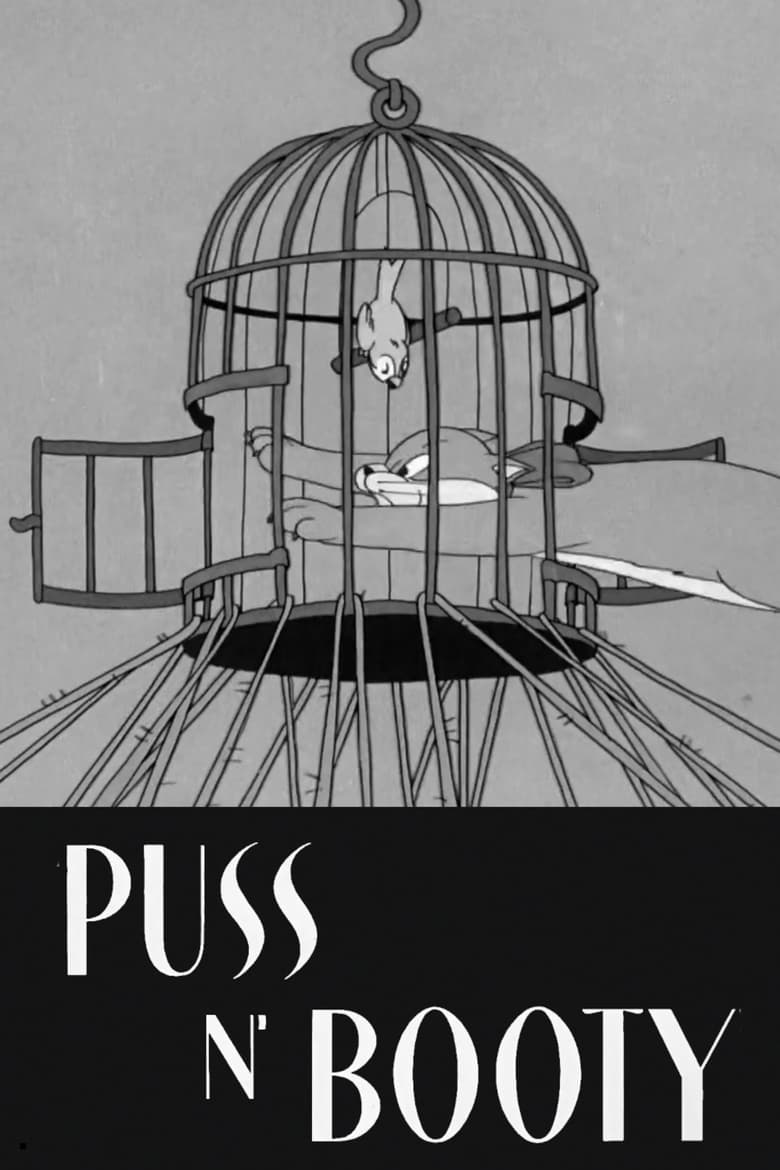
Woman wonders why her little pet birds keep disappearing. Rudolph the cat knows, but other than burping feathers, he's not saying. But it looks like he's met his match when the woman orders another bird from the pet shop: a little yellow canary named "Petey".
Overall Score
Minimal
Category Breakdown
LGBTQ+ Representation
The narrative focuses entirely on a domestic conflict between a pet owner and her animals. There is no evidence of non-cisnormative identities or stories exploring LGBTQ+ themes.
Gender Representation
A female figure serves as the household authority and caretaker. While she drives the plot, her role aligns with mid-century domestic archetypes rather than subverting traditional gender dynamics.
Racial & Ethnic Diversity
The setting is limited to a domestic space featuring animal characters and a single human female. No multi-ethnic cast or racialized characters are present.
Religious & Cultural Diversity
The film operates within a conventional Western domestic framework. The plot reinforces traditional household structures through a conflict centered on pet ownership and domestic order.
Disability Representation
There is no indication of characters, whether human or animal, being portrayed with physical or neurodivergent traits.
Strengths
Areas for Improvement
AI Analysis
Frank Tashlin’s short utilizes a classic predator-prey dynamic to drive a situational comedy. The narrative is confined to a narrow domestic sphere, focusing on the tension between Rudolph the cat and various pet birds. The film adheres to standard 1940s animation tropes, emphasizing a traditional household hierarchy. It lacks intentional disruption of social structures or the inclusion of intersectional identities, functioning instead as a straightforward comedic exercise. Because the story centers on animal antics and a singular female caretaker, the scope for diverse representation is extremely limited.
1944
1951
1938
1945
1951
1955

1929
1949

1954
1955
1948
1947
No reviews yet. Be the first to share your thoughts on this movie!
Use the rating form above to leave a star rating and optional review.