Little Women
1994
No user ratings available yet
Representation score: 3.8 out of 10
Representation Score
Limited
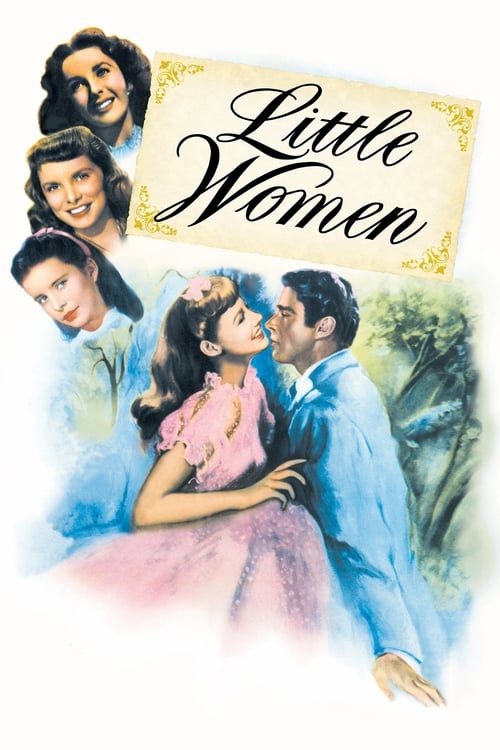
1949
NRDirector
Mervyn LeRoy
Runtime
121 minutes
Average Rating
No ratings yetNew Showbiz Analysis
This 1949 adaptation of *Little Women* exemplifies classic Hollywood storytelling. It prioritizes traditional social structures and moral clarity over challenging cultural norms. While the film offers a nuanced look at female independence through Jo March, it operates within a framework that reinforces established gender, racial, and cultural hierarchies. The narrative structure aims to uphold mid-20th-century social and institutional norms. The production lacks diversity in almost every category, focusing on a singular, homogeneous perspective that avoids systemic critique or the inclusion of underrepresented identities.
Category Breakdown
The film follows mid-century assumptions that everyone is straight and cisgender. It does not include any non-assuming gender matches what was assigned at birth gender identities or same-sex relationships.
Jo March stands out as an independent thinker who resists traditional marriage expectations. However, the story ultimately supports traditional gender roles by guiding her toward domestic life.
The film portrays a white, New England family without any diversity in racial or ethnic backgrounds.
The story upholds Western institutions such as the nuclear family and parental authority. It emphasizes conventional Christian morals and respect for social order.
Beth March’s health issues serve mainly as a catalyst for emotional moments. Her illness is used as a device to highlight themes of sacrifice, lacking real ability to act.
Present on Screen
Limited or Absent
Official Synopsis
Four sisters come of age in America in the aftermath of the Civil War.
1994
1933
2019
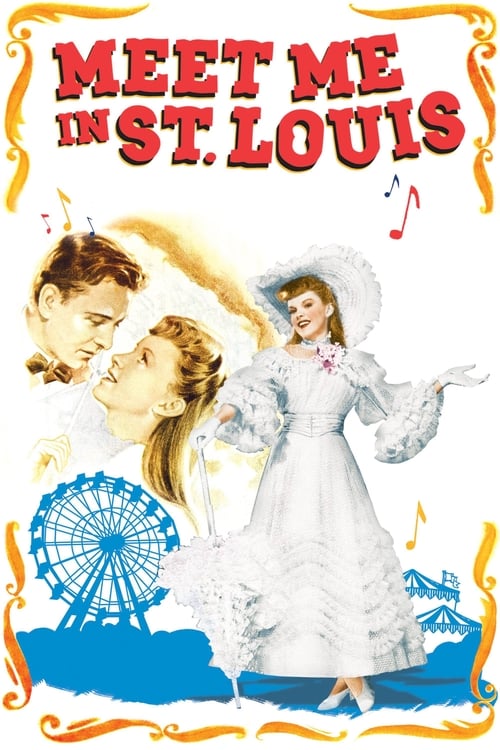
1944
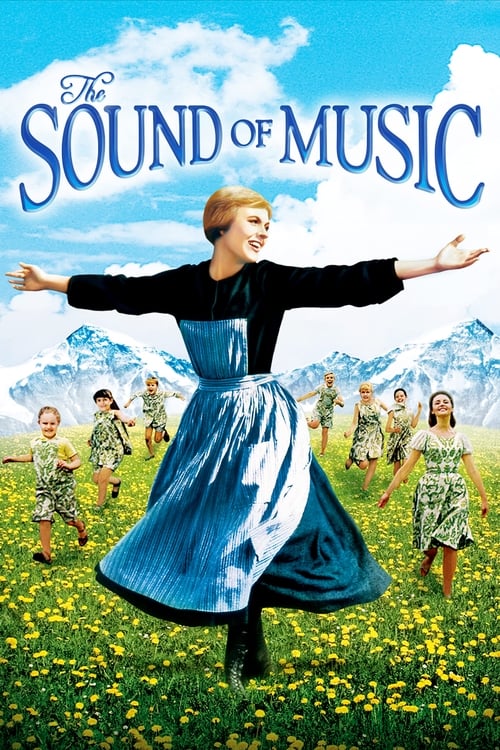
1965
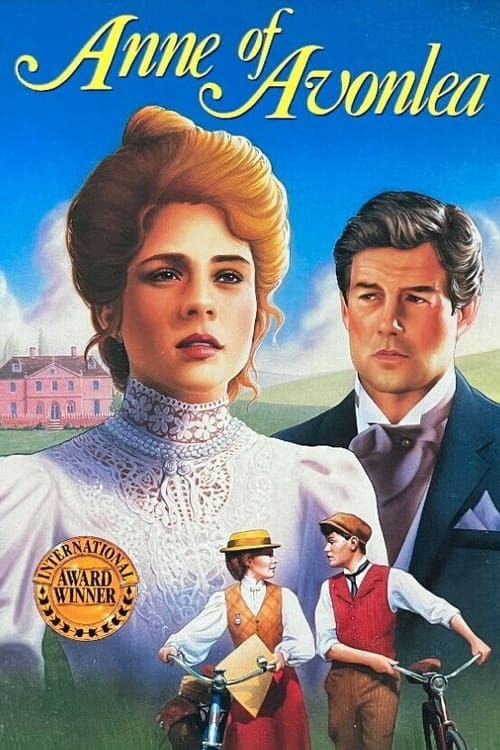
1987
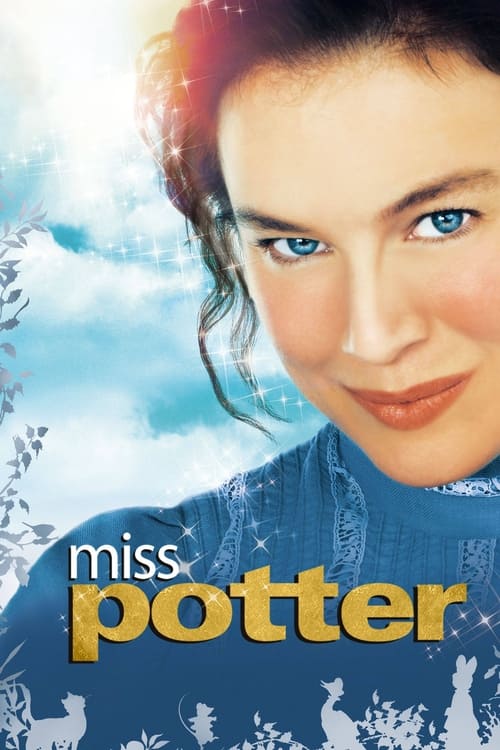
2006
1937
No reviews yet. Be the first to share your thoughts on this movie!
Use the rating form above to leave a star rating and optional review.