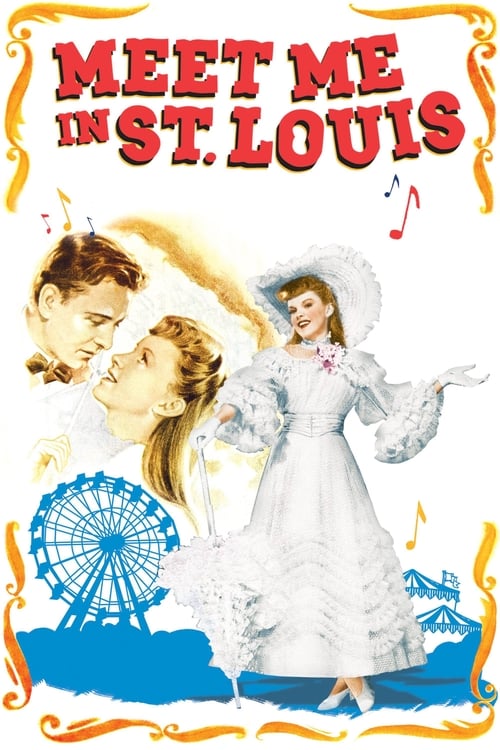
Meet Me in St. Louis
1944
No user ratings available yet
Representation score: 0.7 out of 10
Representation Score
Minimal
1950
NRDirector
Vincente Minnelli
Runtime
92 minutes
Average Rating
No ratings yetNew Showbiz Analysis
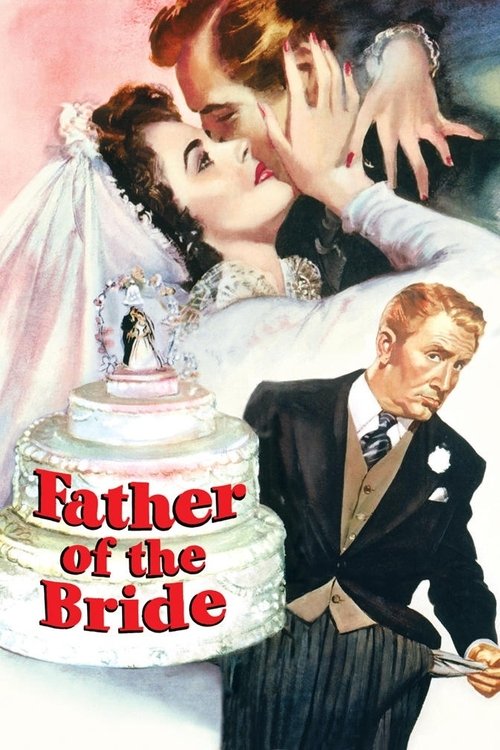
Father of the Bride exemplifies mid-century domestic realism, emphasizing stability and conformity within the capitalist middle class. The narrative centers on traditional family structures and social norms, reinforcing the status quo of the time. The film's structure highlights a singular, non-overlapping perspective of American life, focusing on the sanctity of traditional family values and social hierarchy. It does not explore multi-layered identities or diverse experiences.
Category Breakdown
The film adheres to traditional views of marriage and does not include any representation of LGBTQ+ identities or challenges to societal norms.
The story emphasizes traditional gender roles, with women primarily involved in domestic and emotional tasks. Men hold positions of authority and control.
The film portrays a predominantly white, middle-class community without engaging with diverse racial or ethnic backgrounds.
The movie upholds traditional family values and social norms, celebrating institutions such as marriage and the nuclear family.
There are no characters with visible or invisible disabilities featured in the story.
Present on Screen
Limited or Absent
Official Synopsis
Proud father Stanley Banks remembers the day his daughter, Kay, got married. Starting when she announces her engagement through to the wedding itself, we learn of all the surprises and disasters along the way.
1944
1958
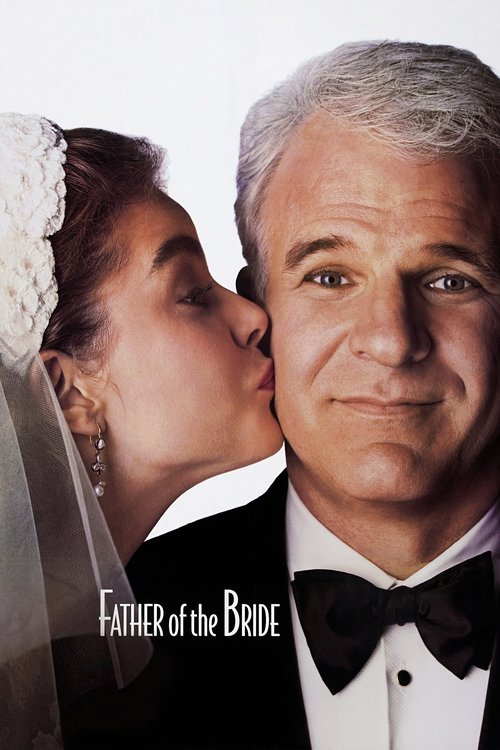
1991
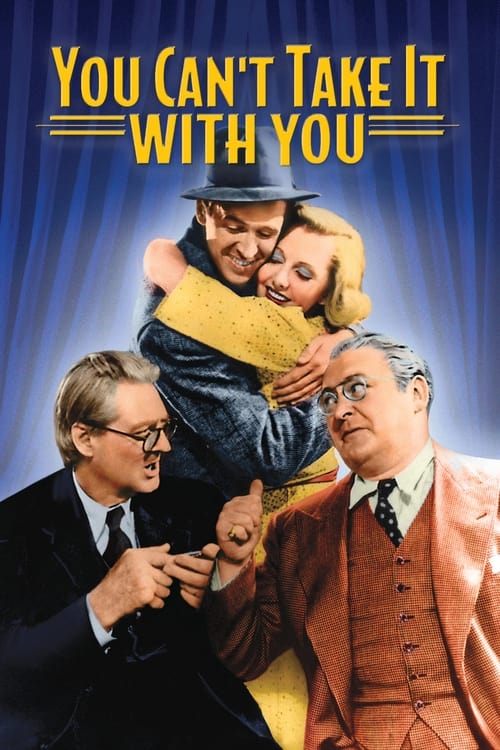
1938
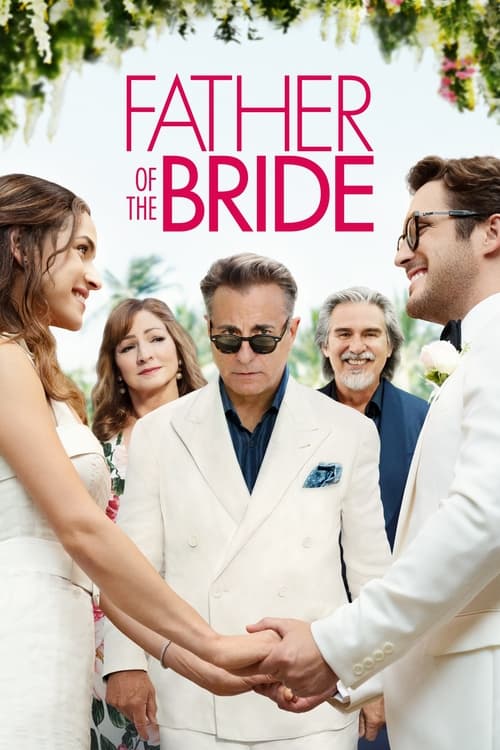
2022
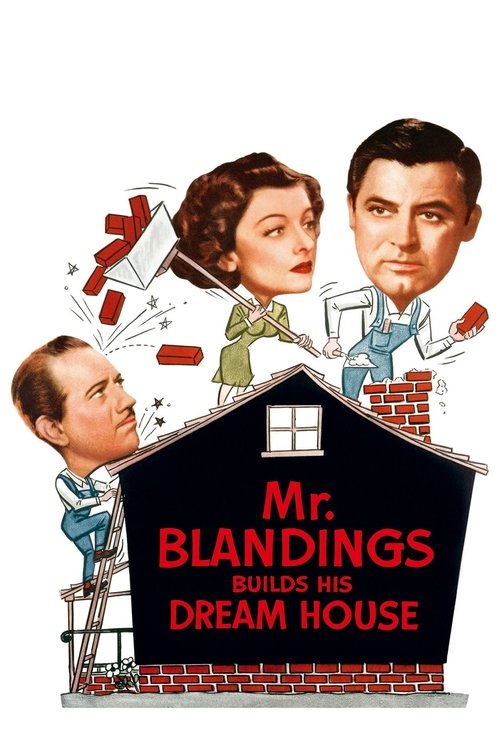
1948

1963
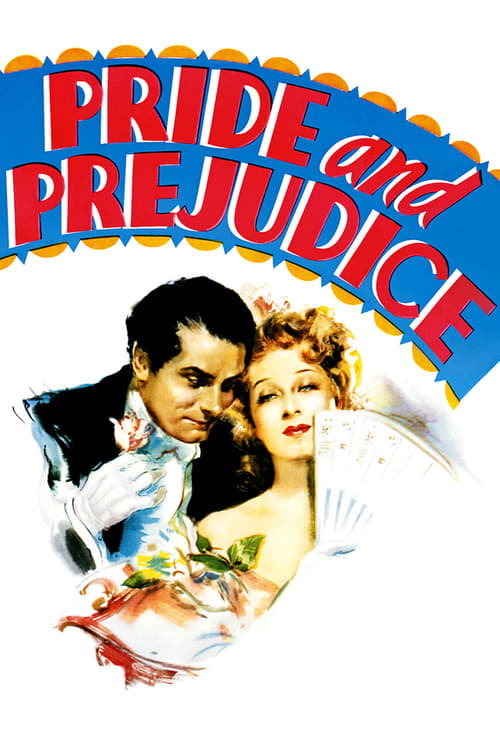
1940
No reviews yet. Be the first to share your thoughts on this movie!
Use the rating form above to leave a star rating and optional review.