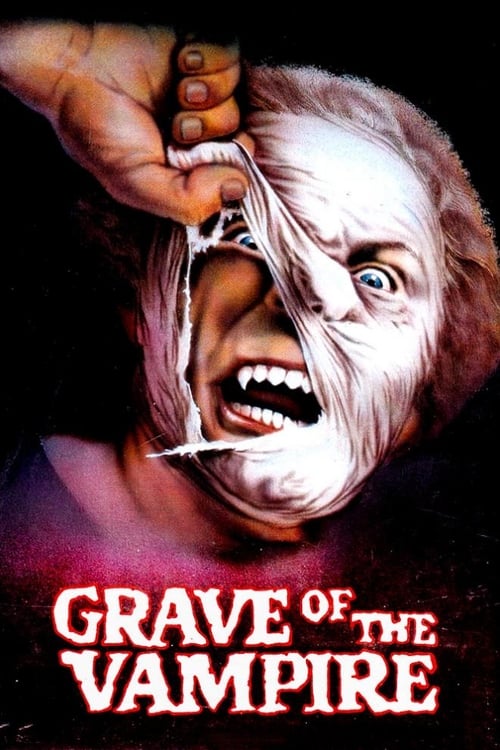
Grave of the Vampire
1972
No user ratings available yet
Diversity score: 2.6 out of 10
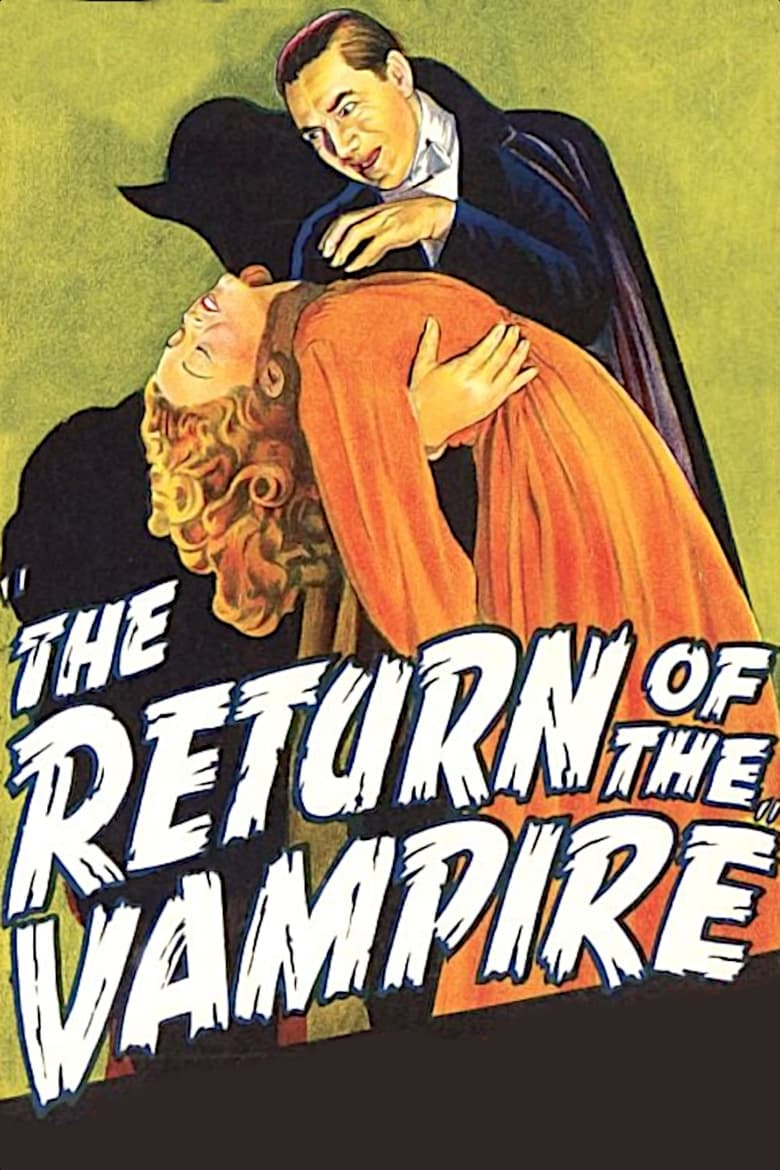
1943
Director
Lew Landers
Runtime
69 minutes
Average Rating
No ratings yetSynopsis
In 1918, an English family is terrorized by a vampire, until they learn how to deal with it. They think their troubles are over, but German bombs in WWII free the monster. He reclaims the soul of his wolfman ex-servant, and assuming the identity of a scientist who has just escaped from a concentration camp, he starts out on a plan to get revenge upon the family.
Overall Score
Limited
Category Breakdown
LGBTQ+ Representation
The film lacks any evidence of non-cisnormative identities or same-sex intimacy. It adheres strictly to traditional mid-century genre structures.
Gender Representation
The narrative focuses on a family terrorized by a malevolent antagonist. There is no indication of subverting gender hierarchies or providing active female agency.
Racial & Ethnic Diversity
The setting is English and German, with a plot involving a concentration camp survivor. However, the identity is assumed by the vampire for revenge.
Religious & Cultural Diversity
The story utilizes WWI and WWII settings to drive its horror elements. It focuses on supernatural threats to the domestic unit rather than institutional critiques.
Disability Representation
The wolfman character represents a physical transformation. This serves as a metaphor for monstrosity rather than an authentic portrayal of disability or neurodivergence.
Strengths
Areas for Improvement
AI Analysis
The Return of the Vampire is a genre-driven horror piece that prioritizes gothic tropes over social complexity. It utilizes historical settings, such as the aftermath of WWI and the chaos of WWII, to facilitate its supernatural plot. While the film touches on heavy historical themes like concentration camps, these elements appear to function as plot devices for the antagonist's infiltration. The narrative lacks intentionality regarding the representation of marginalized identities or the subversion of social hierarchies. Ultimately, the film operates within the standard moral and social binaries of 1940s B-movie cinema, focusing on the terror of the monster rather than the lived experiences of diverse groups.
1972
1958
1961
1958
1963
1971
1946
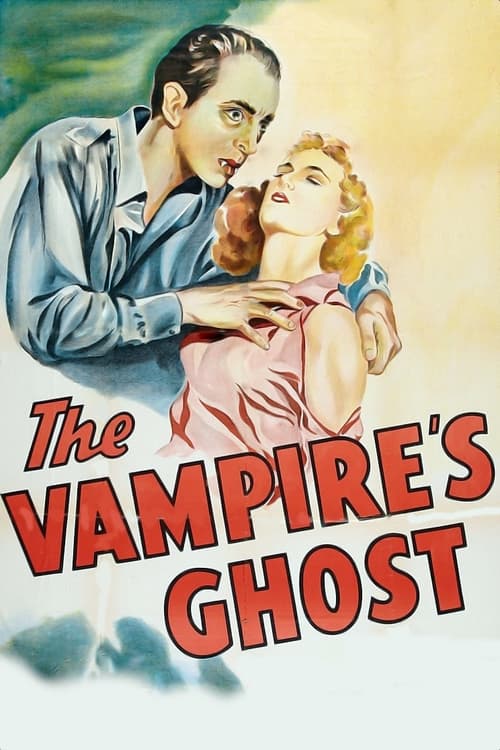
1945
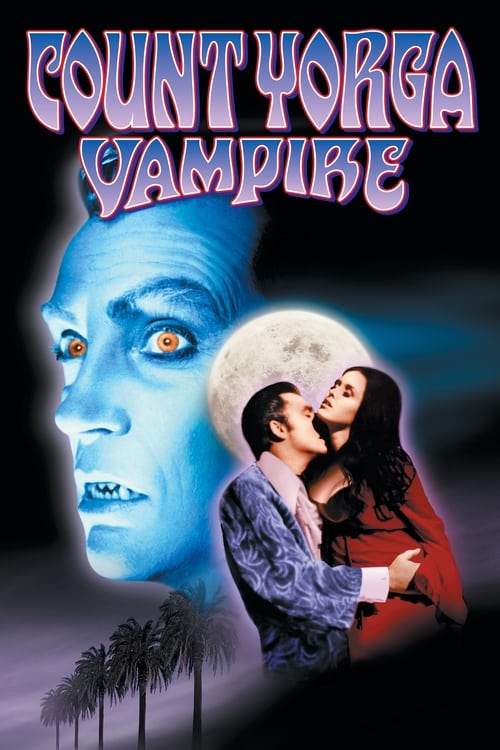
1970
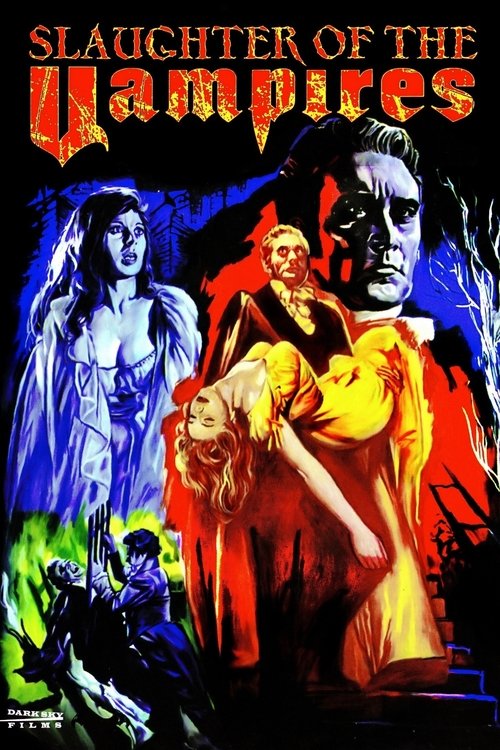
1962

1973
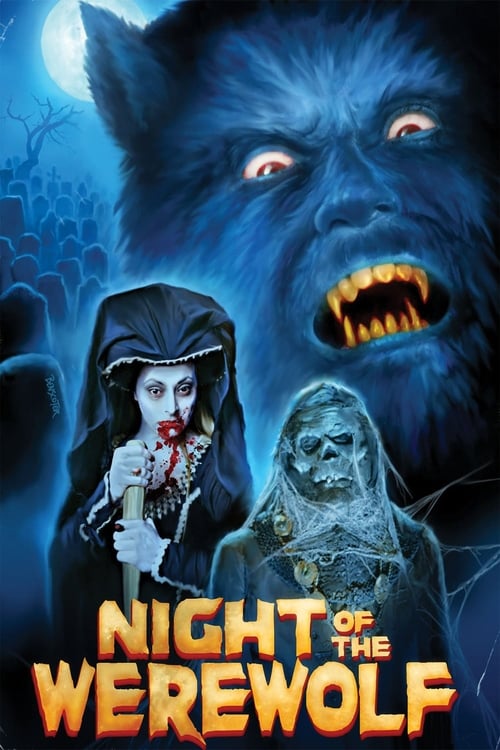
1981
No reviews yet. Be the first to share your thoughts on this movie!
Use the rating form above to leave a star rating and optional review.