Doctor Dracula
1978
No user ratings available yet
Representation score: 1.3 out of 10
Representation Score
Limited
1946
NRDirector
Philip Ford
Runtime
56 minutes
Average Rating
No ratings yetNew Showbiz Analysis
Valley of the Zombies is a classic 1940s B-horror film that emphasizes genre clichés over social critique. Its narrative structure reinforces mid-century hierarchies, particularly through the depiction of a passive female protagonist and a male-dominated plot. The film functions as a standard genre piece, reflecting the era's social norms rather than challenging them. It lacks complexity in addressing multiple aspects of identity, relying on traditional archetypes and conventional morality. Ultimately, the work serves as a product of its time, offering little in the way of progressive representation or narrative disruption.
Category Breakdown
There are no characters with LGBTQ+ identities in the film. It follows the assumption that everyone is straight and cisgender, which was common in 1940s genre cinema.
The film features a female protagonist who is vulnerable to a hypnotic spell. Her role is defined by her dependence on male characters, reinforcing traditional gender hierarchies where men hold power.
The film likely reflects the era's tendency to depict white populations as the norm. There are no non-white characters driving the plot.
The story operates within conventional mid-century moral frameworks. It focuses on a standard struggle between order and supernatural threats, without exploring deeper systemic critiques.
Themes of madness and hypnosis are used primarily as plot devices for creating suspense. The film lacks nuanced representation of mental health issues, using psychological instability solely for suspense.
Present on Screen
Limited or Absent
Official Synopsis
A woman falls under the hypnotic spell of a resurrected madman.
1978
1960
1958
1928
1936
1943
1957
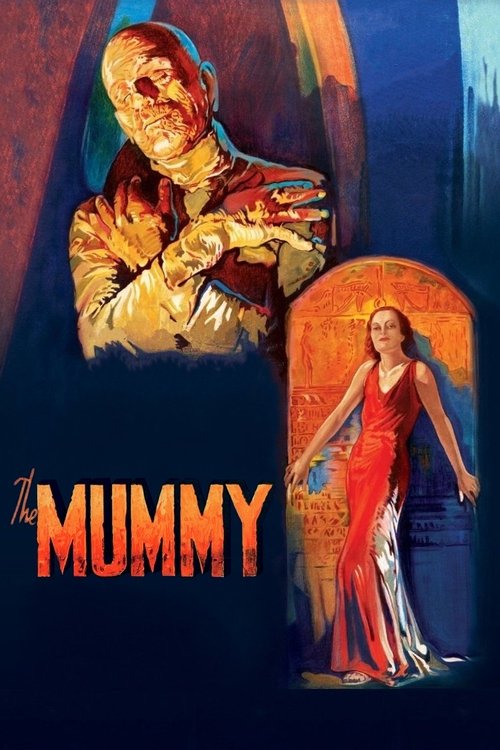
1932
No reviews yet. Be the first to share your thoughts on this movie!
Use the rating form above to leave a star rating and optional review.