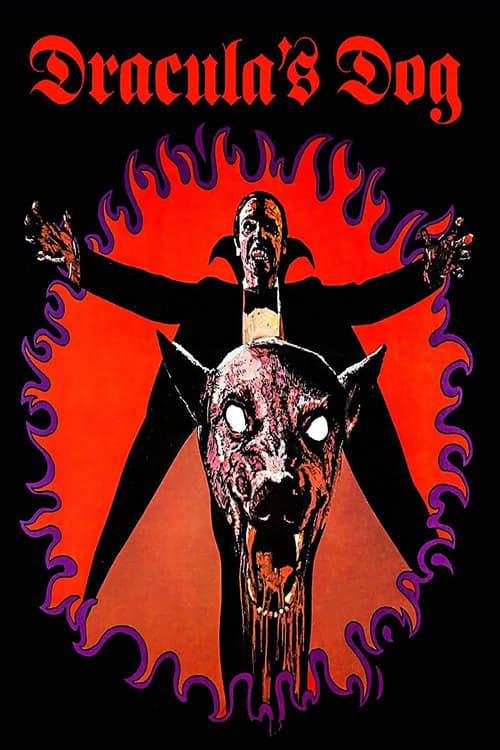
Zoltan… Hound of Dracula
1977
No user ratings available yet
Representation score: 0.8 out of 10
Representation Score
Minimal
1958
NRDirector
Paul Landres
Runtime
77 minutes
Average Rating
No ratings yetNew Showbiz Analysis
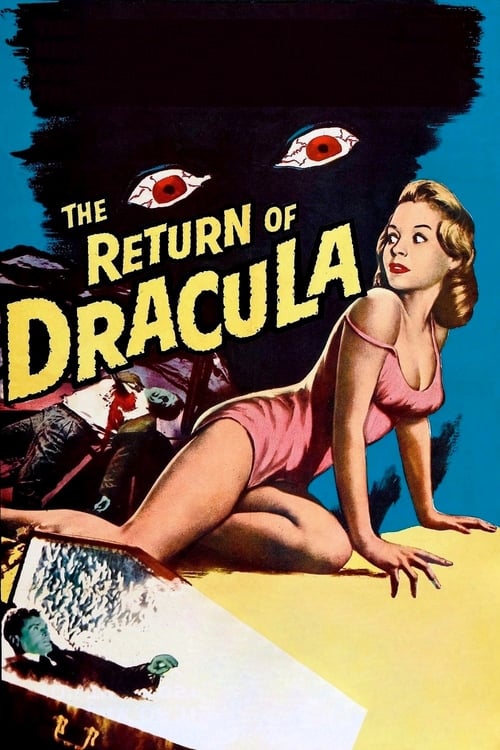
The Return of Dracula is a traditional 1958 Gothic horror film that adheres closely to the social and narrative norms of its time. The plot revolves around a displaced supernatural entity taking on a stolen identity to infiltrate an American domestic setting, prioritizing genre clichés over social critique. Because the film predates modern storytelling that reflects multiple aspects of identity, it lacks intentional demographic diversity. The narrative serves to reinforce the sanctity of the established social order rather than challenging it through diverse character's ability to drive the story or complex identity portrayals.
Category Breakdown
The film centers on a predatory supernatural entity interacting with a traditional family. It does not include non-traditional gender identities or challenge the idea that everyone is straight or cisgender.
Female characters mainly serve as victims of the supernatural or as stabilizers in the home. The film does not challenge traditional gender roles or show masculinity as ineffective.
The setting transitions from the Balkans to an American domestic environment. However, the film reflects the era's tendency towards homogeneous casting and a lack of ethnic diversity.
The narrative emphasizes traditional Western structures by focusing on preserving the family unit. It uses the outsider cliché to reinforce the established social order.
There is no indication of characters with disabilities being portrayed with significant influence or as central to the narrative.
Present on Screen
Limited or Absent
Official Synopsis
After a vampire leaves his native Balkans, he murders a Czech artist, assumes his identity, and moves in with the dead man's American cousins.
1977
1960
1967
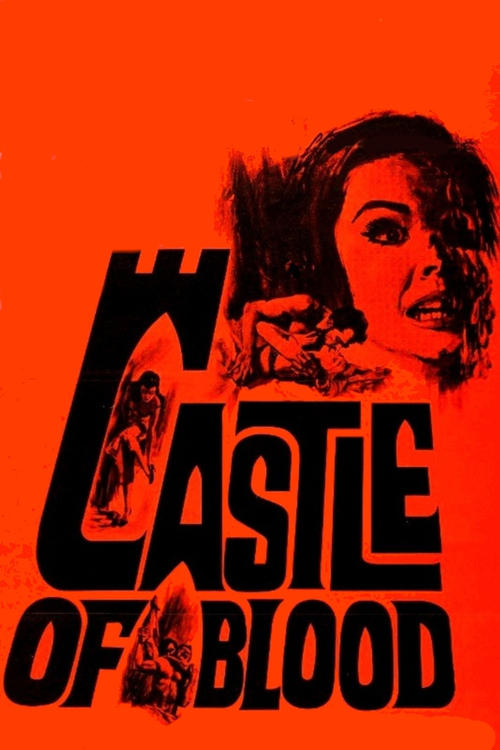
1964
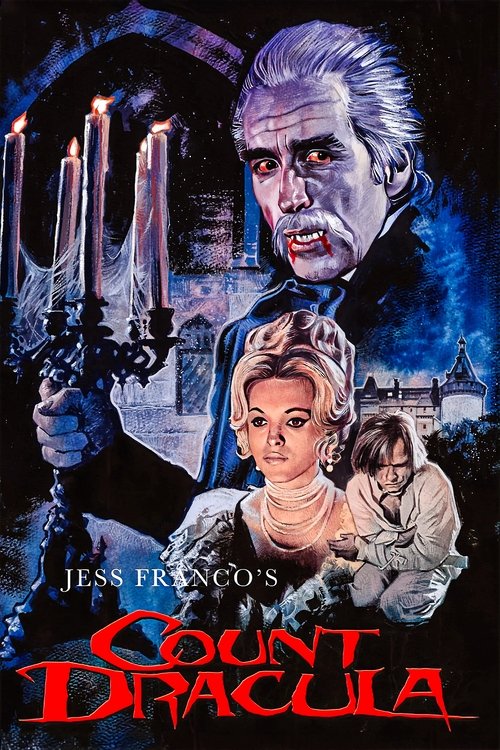
1970

1973
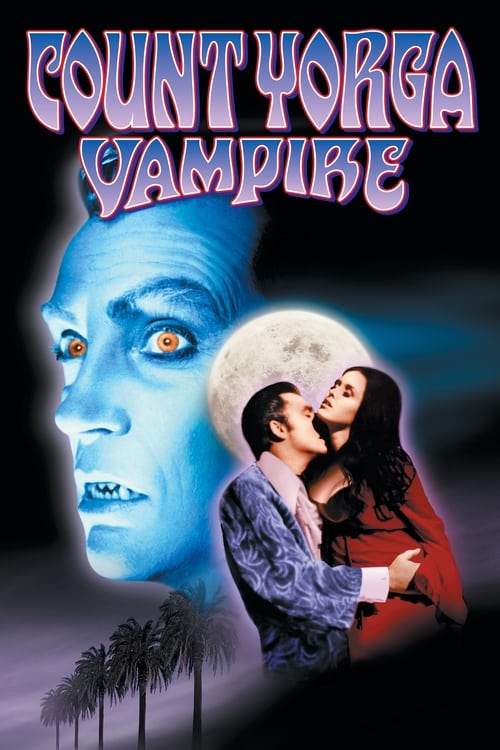
1970
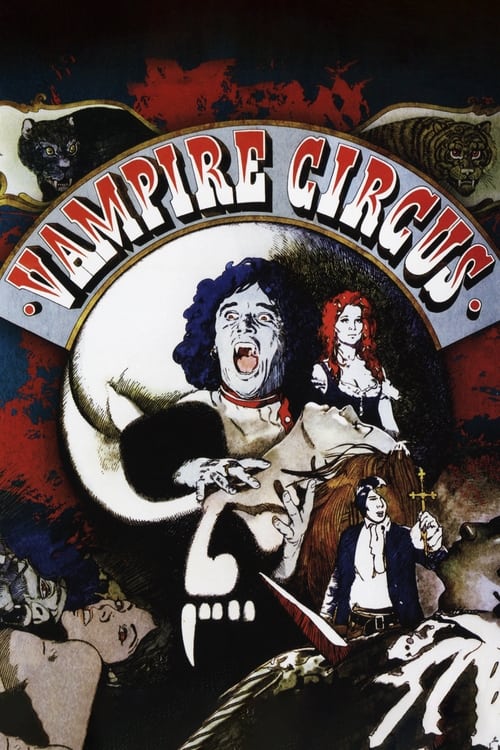
1972
No reviews yet. Be the first to share your thoughts on this movie!
Use the rating form above to leave a star rating and optional review.