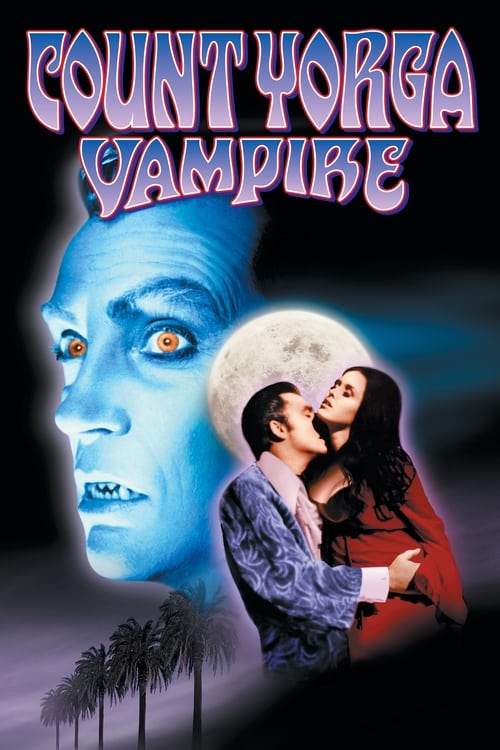
Count Yorga, Vampire
1970
No user ratings available yet
Representation score: 2.6 out of 10
Representation Score
Minimal
1971
RDirector
Bob Kelljan
Runtime
97 minutes
Average Rating
No ratings yetNew Showbiz Analysis
The film functions as a standard exploitation horror piece that operates within the established social and narrative frameworks of its era. It relies heavily on traditional genre clichés rather than attempting to challenge or disrupt conventional expectations of identity and power. Representation is limited by a homogeneous cast and a focus on straight-centered romantic dynamics. The power structures within the film reinforce existing hierarchies, particularly regarding gender and racial demographics, offering little in the way of multi-layered representation.
Category Breakdown
The film does not include any LGBTQ+ characters or storylines. It follows the straight-centered structures common in early 70s horror, focusing on traditional romantic and predatory dynamics.
Mary is a central figure, but her role is limited by her status as a target of supernatural predation. The film reinforces traditional clichés where women are either objects of desire or victims.
The cast primarily consists of white actors, which is typical of 1970s urban exploitation films. There is no meaningful presence of characters of color with significant roles.
The narrative follows a conventional framework of good versus evil. It avoids critiques of Western institutions, capitalism, or organized religion, maintaining a standard genre approach.
There are no visible or invisible disabilities portrayed with significant roles. The film does not address neurodivergence or physical disabilities as part of its character development.
Present on Screen
Limited or Absent
Official Synopsis
Count Yorga continues to prey on the local community while living by a nearby orphanage. He also intends to take a new wife, while feeding his bevy of female vampires.
1970
1972
1972

1973
1969
1964
1971
1964
No reviews yet. Be the first to share your thoughts on this movie!
Use the rating form above to leave a star rating and optional review.