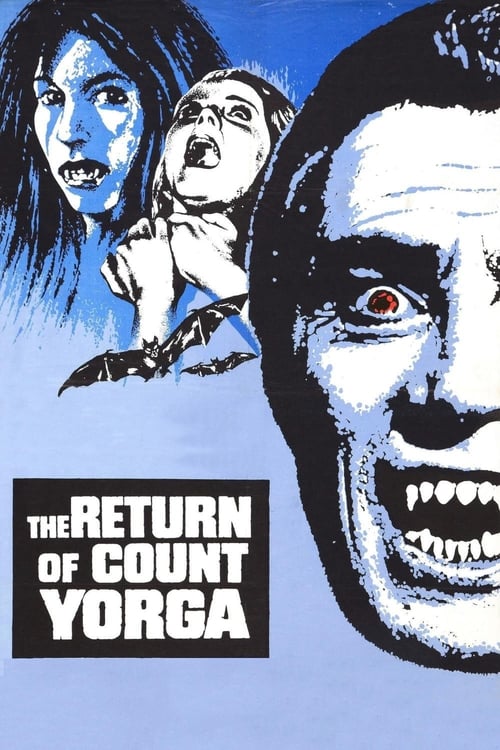
The Return of Count Yorga
1971
No user ratings available yet
Representation score: 1.4 out of 10
Representation Score
Limited
1970
PG-13Director
Bob Kelljan
Runtime
93 minutes
Average Rating
No ratings yetNew Showbiz Analysis
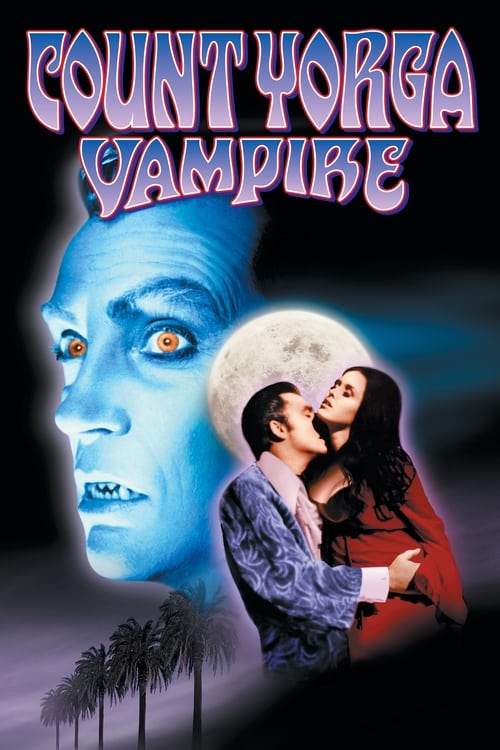
Count Yorga, Vampire is a period-specific exploitation horror film that prioritizes genre clichés over social commentary. The narrative relies on established hierarchies of the early 1970s, resulting in a lack of multi-layered character development. The film's demographic profile is largely homogeneous, focusing on a white cast and traditional gender roles. It functions as a straightforward conflict between a supernatural predator and his victims, offering little in the way of cultural or identity-based subversion. Ultimately, the work serves as a snapshot of its era's horror conventions, favoring suspense and atmospheric dread over the disruption of conventional social or power dynamics.
Category Breakdown
The film does not include any visible LGBTQ+ characters or non-straight relationships. It adheres strictly to the assumption that everyone is straight or cisgender, reflecting the social structures of the early 1970s.
Female characters frequently play the role of damsels in distress, serving as objects of predation. They participate in the survival narrative but within traditional frameworks of vulnerability.
The cast is predominantly white, reflecting a homogeneous demographic. There is a lack of meaningful racial blending or characters of color with significant roles in this Los Angeles setting.
The story operates within a standard Western framework focused on individual survival. It avoids critiquing Western institutions, maintaining a binary morality between predator and prey.
There is no significant depiction of physical or neurodivergent disabilities. Characters are portrayed as able-bodied, and the narrative does not engage with the lived experiences of disabled individuals.
Present on Screen
Limited or Absent
Official Synopsis
Posing as a hip medium, a bloodthirsty old-world undead gent attracts young lovelies to his mansion by holding séances in modern-day Los Angeles.
1971

1973
1971
1972
1972
1960
1963
1964
No reviews yet. Be the first to share your thoughts on this movie!
Use the rating form above to leave a star rating and optional review.