
Ikkis
2026
No user ratings available yet
Representation score: 2.7 out of 10
Representation Score
Fair
1998
Director
Jamil Dehlavi
Runtime
110 minutes
Average Rating
No ratings yetNew Showbiz Analysis
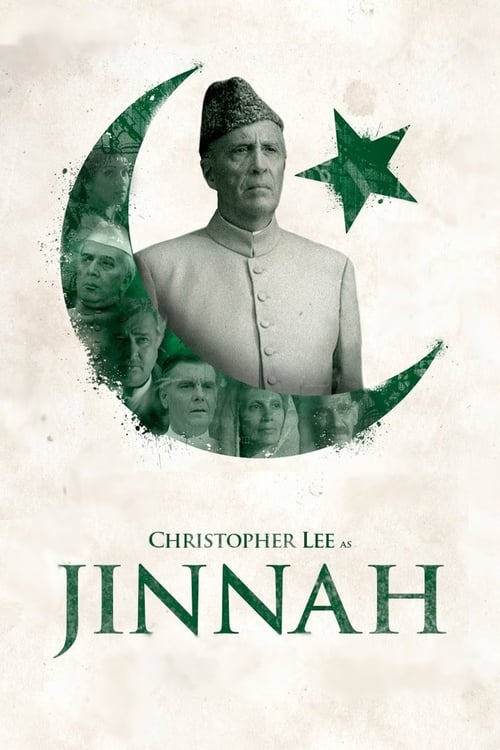
Jinnah (1998) is a significant piece of post-colonial cinema that successfully disrupts the conventional Western-centric gaze often found in British Raj epics. By centering the South Asian political experience, the film provides significant roles to its non-Anglo-Saxon characters. However, the film remains tied to the traditional gender hierarchies of its era. The narrative structure favors male-dominated political spheres, often framing female characters through their connections to prominent men. Ultimately, the film's strength lies in its rigorous critique of Western hegemony. It replaces the 'civilizing mission' cliché with a nuanced study of identity politics and the systemic complexities of nation-building.
Category Breakdown
The film focuses strictly on the historical and political journey of Muhammad Ali Jinnah. There is no queer subtext or non-cisgender identities within the character arcs.
The narrative emphasizes masculine-coded spheres of statecraft and political maneuvering. While Rattanbai Jinnah offers a glimpse into private tensions, her role is often defined through her relationship to Jinnah.
The film excels by centering South Asian identities and disrupting the Western-centric gaze. It provides significant roles to characters of color by making the South Asian political experience the central driver.
This work functions as a profound post-colonial critique of Western imperial institutions. It frames the struggle for sovereignty through the lens of religious identity and the complexities of decolonization.
There are no prominent depictions of visible or invisible disabilities that serve as central narrative elements in this historical drama.
Present on Screen
Limited or Absent
Official Synopsis
Biography of Mohammed Ali Jinnah, the founder of modern Pakistan is told through flashbacks as his soul tries to find eternal rest. The flashbacks start in 1947 as Jinnah pleads for a separate nation for the Muslim minority, infuriating Lord Mountbatten. Mountbatten then tries to enlist Gandhi & Nehru to persuade Jinnah to stop his efforts. Gandhi sides with Jinnah, which upsets Nehru. However, Jinnah turns down the offer to become prime minister and the film takes another slide back to 1916, which reveals all of the political implications that have occurred.
2026

2017
2022
2018

2007
2021
2023
2005
No reviews yet. Be the first to share your thoughts on this movie!
Use the rating form above to leave a star rating and optional review.