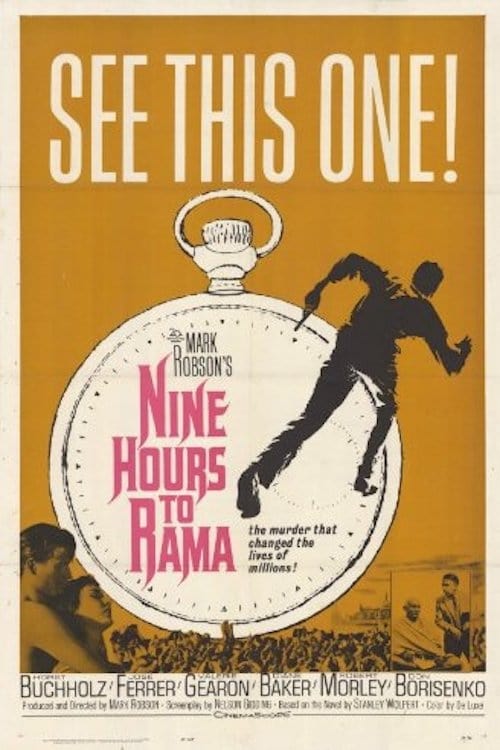
Nine Hours to Rama
1963
No user ratings available yet
Representation score: 2.5 out of 10
Representation Score
Limited
2000
PG-13Director
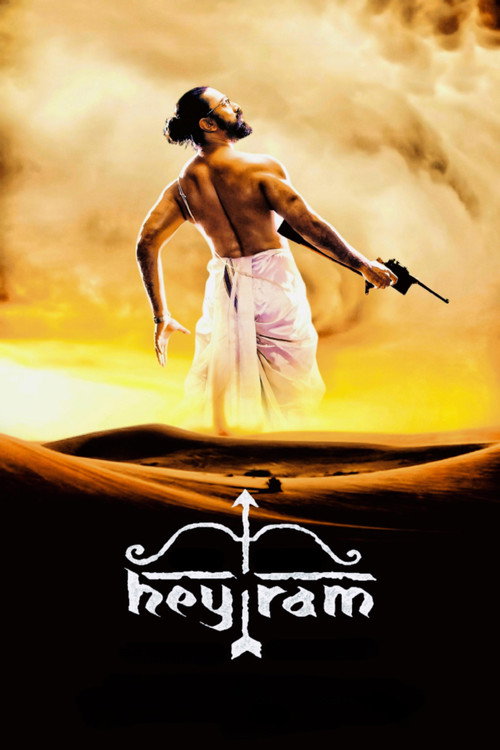
Kamal Haasan
Runtime
199 minutes
Average Rating
No ratings yetNew Showbiz Analysis
Hey Ram is a powerful post-colonial narrative that avoids a sanitized version of history. It dismantles the heroic myths of nation-building to reveal a violent, fragmented reality. The film's strength lies in its nuanced exploration of how religious and political structures can erode individual ethics. However, the film’s adherence to historical accuracy limits representation for certain groups. Traditional gender roles are emphasized, often using female characters to catalyze male radicalization rather than showcasing them as independent agents. Ultimately, the film excels in its portrayal of a multi-ethnic landscape. By focusing on the subjective truths and communal tensions of the era, it offers a sophisticated look at identity politics during a period of intense national transition.
Category Breakdown
The film adheres closely to the heterosexual norms of 1940s India and does not depict any non-traditional gender identities or same-sex relationships.
The story follows traditional gender roles of the time. The female protagonist's actions are largely driven by the male lead's journey, making her role more reactive than proactive.
The film showcases a diverse range of Hindu, Muslim, and Sikh identities. It avoids simplistic portrayals by highlighting the internal conflicts and communal tensions of pre-independence India.
The story provides a sophisticated critique of religious and political leaders. It examines how ideological fervor can disrupt communal harmony and affect individuals negatively.
There are no prominent depictions of physical or neurodivergent disabilities as central narrative elements.
Present on Screen
Limited or Absent
Official Synopsis
Saketh Ram's wife is raped and killed during direct action day riots in Calcutta. He is convinced that Mahatma Gandhi is responsible for all the problems happening in the country. He sets out to kill him.
1963

2021
2005
2012
2002
2000
2005
2002
No reviews yet. Be the first to share your thoughts on this movie!
Use the rating form above to leave a star rating and optional review.