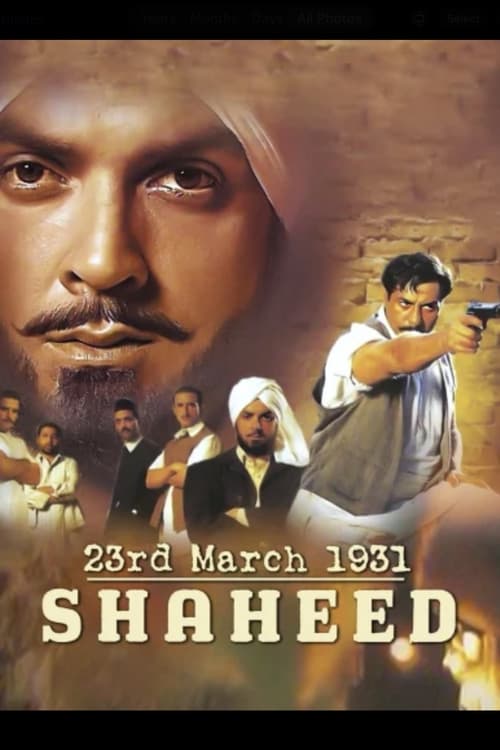
The Legend of Bhagat Singh
2002
No user ratings available yet
Representation score: 3.3 out of 10
Representation Score
Fair
2021
TV-MADirector
Shoojit Sircar
Runtime
162 minutes
Average Rating
No ratings yetNew Showbiz Analysis
Sardar Udham is a sophisticated piece of post-colonial cinema that effectively challenges traditional Western historical narratives. By focusing on a South Asian protagonist, the film reclaims ability to act from the colonial subject and provides a nuanced look at racial identity within the British metropole. However, the film's impact is limited by its adherence to traditional gender roles and a lack of LGBTQ+ representation. The narrative structure prioritizes male revolutionary action, relegating women to secondary or domestic roles. Ultimately, the film's strength lies in its cultural reclamation. It reframes political assassination not as simple criminality, but as a necessary response to systemic state violence and institutional corruption.
Category Breakdown
The film contains no LGBTQ+ characters or non-assuming gender matches what was assigned at birth identities. The story focuses exclusively on the protagonist's geopolitical and personal trauma within a specific historical era.
The story focuses on a male-led political struggle within a patriarchal system. Women are primarily shown in domestic roles or as secondary figures, reflecting the period's gender dynamics.
This film offers a profound post-colonial perspective centered around South Asian experiences. It challenges the Western-centric viewpoint by delving into the complexities of the Indian diaspora in London.
The film presents an explicitly anti-colonial stance, depicting the British Empire as an oppressive force. It emphasizes the reclaiming of national identity over colonial laws.
The protagonist's psychological trauma drives the plot. While the mental anguish serves as a political catalyst, it does not explore the ability to act of those with disabilities.
Present on Screen
Limited or Absent
Official Synopsis
A young Sardar Udham Singh left deeply scarred by the Jallianwala Bagh massacre, escaped into the mountains of Afghanistan, reaching London in 1933-34. Carrying an unhealed wound for 21 years, the revolutionary assassinated Michael O’Dwyer on 13th March, 1940, the man at the helm of affairs in Punjab, April 1919 to avenge the lost lives of his beloved brethren.
2002

2008
2026
2019

2013
2008
2002

2015
No reviews yet. Be the first to share your thoughts on this movie!
Use the rating form above to leave a star rating and optional review.