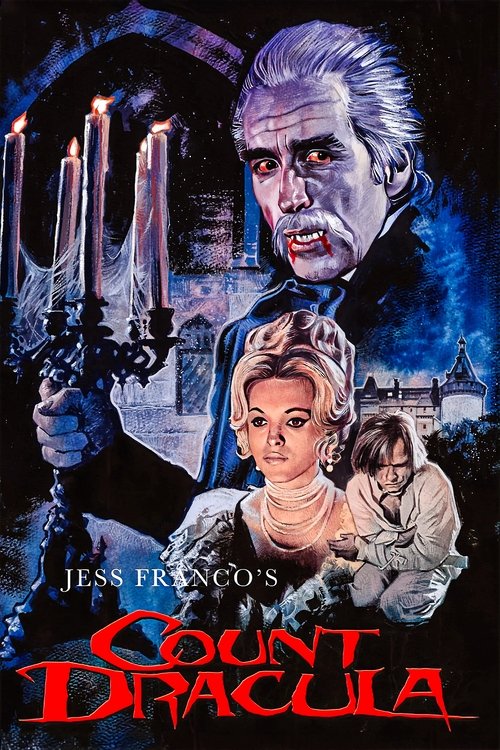
Count Dracula
1970
No user ratings available yet
Diversity score: 2.0 out of 10
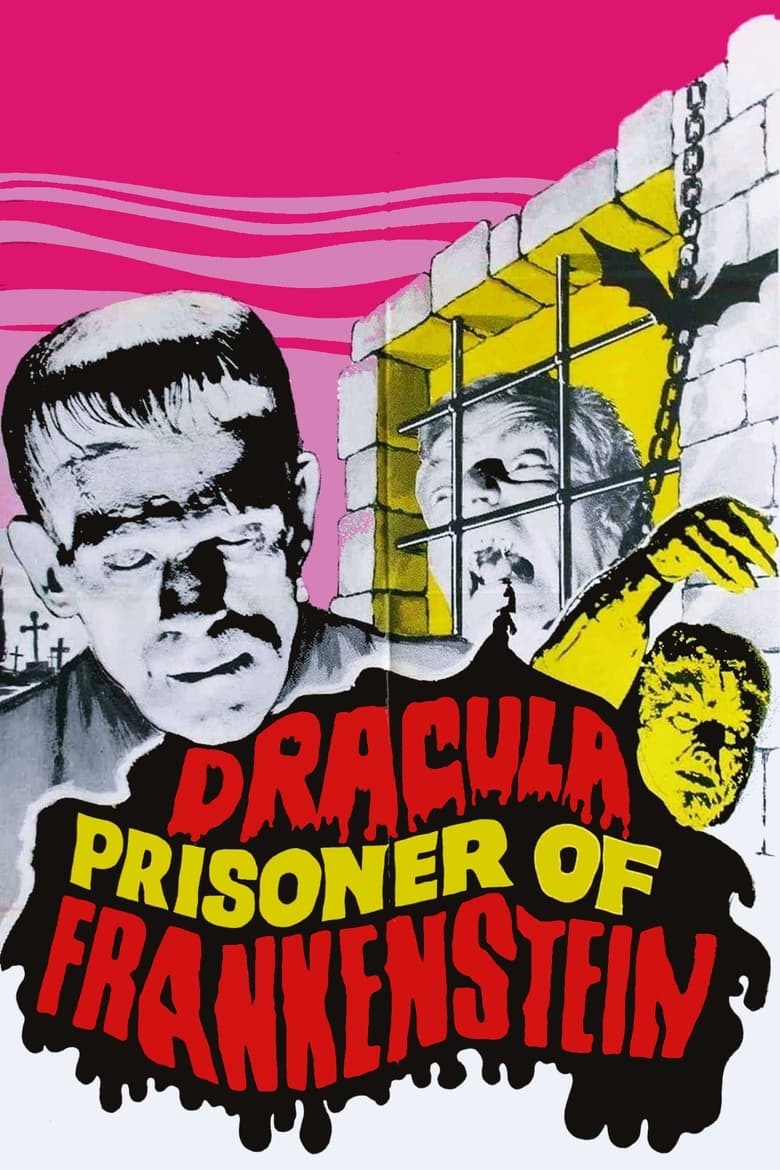
1972
Director
Jesús Franco
Runtime
88 minutes
Average Rating
No ratings yetSynopsis
Dracula kills another innocent victim and Dr. Seward decides it's time to wipe him off the face of the earth. Armed with a hammer and a wooden stake, he arrives at Castle Dracula and duly dispatches the vampire Count. Next day, however, Dr. Frankenstein arrives with his assistant, Morpho, and a large crate containing the monster. Using the blood of a pub singer who has been abducted by his creation, the doctor brings Dracula back to life and uses him for his own ends. The Count and a female vampire continue to terrorise the town, so Dr Seward once again sets out for Castle Dracula. Unfortunately, he is attacked by the Frankenstein monster and left for dead. Amira, a gypsy, rescues him and summons up a werewolf to do battle with the forces of evil...
Overall Score
Limited
Category Breakdown
LGBTQ+ Representation
The film lacks explicit depictions of non-heteronormative identities or queer subtext. Character dynamics rely on traditional romantic and predatory tropes common to 1970s horror cinema.
Gender Representation
Female characters primarily serve as victims, abducted subjects, or romantic interests. While Amira shows brief agency by rescuing Dr. Seward, men drive the primary plot and intellectual pursuits.
Racial & Ethnic Diversity
The cast is largely homogeneous, reflecting standard European production models of the era. The character Amira is identified as Gypsy, but she functions primarily as a plot device.
Religious & Cultural Diversity
The story operates within a traditional Western Gothic framework. It focuses on a standard struggle between evil and science rather than challenging Western institutions or cultural norms.
Disability Representation
The Frankenstein monster is used as a vessel for horror and scientific ambition. The depiction leans toward the traditional 'othering' of physical difference rather than providing nuanced agency.
Strengths
Areas for Improvement
AI Analysis
Jesús Franco’s film is a stylistic exercise in Gothic horror that prioritizes established genre archetypes over social subversion. The narrative structure relies heavily on the conservative cinematic conventions of the early 1970s. Representation is limited by a reliance on traditional hierarchies. Men occupy the roles of scientists and protagonists, while women and ethnic minorities are often relegated to roles of victims or supernatural plot devices. Ultimately, the film functions as a mythic repetition of horror tropes. It does not seek to disrupt social expectations or provide meaningful agency to marginalized identities.
1970
1973
1998
1974
2011
1958
2005
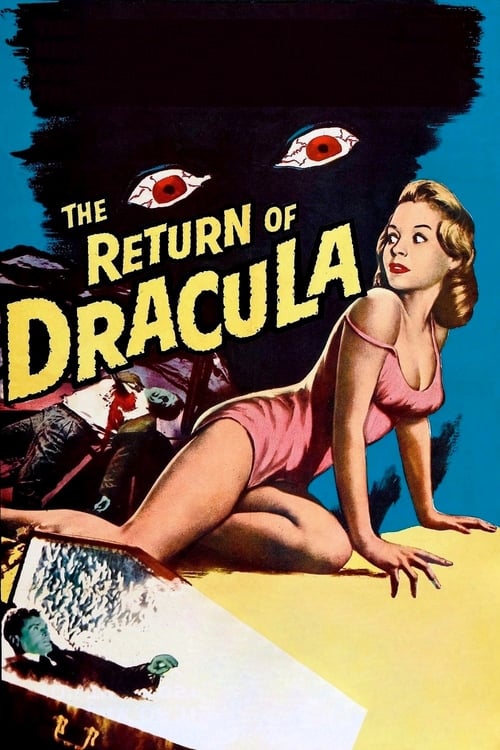
1958

2015
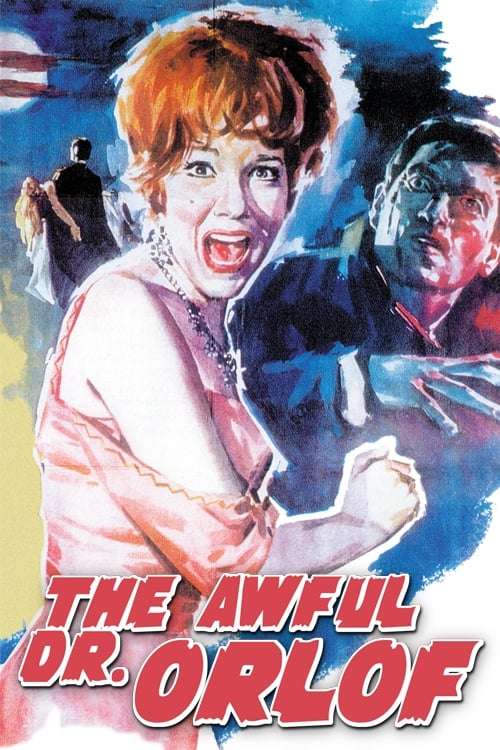
1962
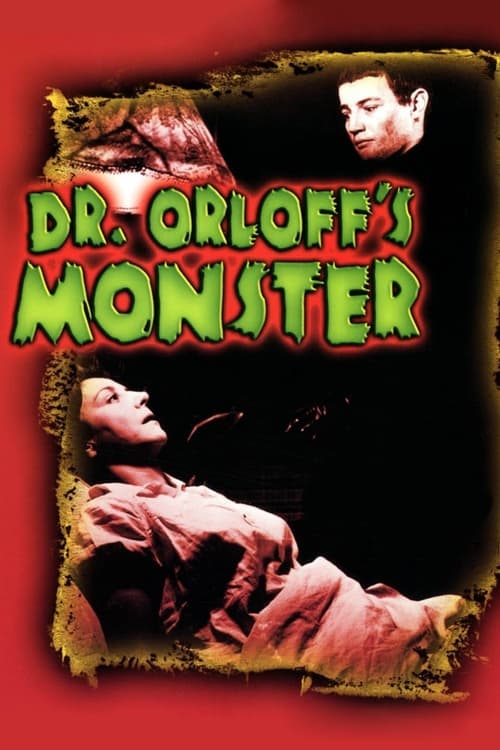
1964
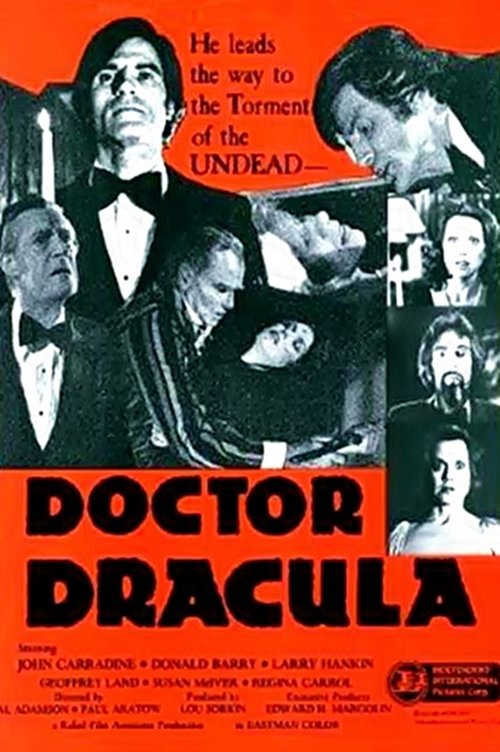
1978
No reviews yet. Be the first to share your thoughts on this movie!
Use the rating form above to leave a star rating and optional review.