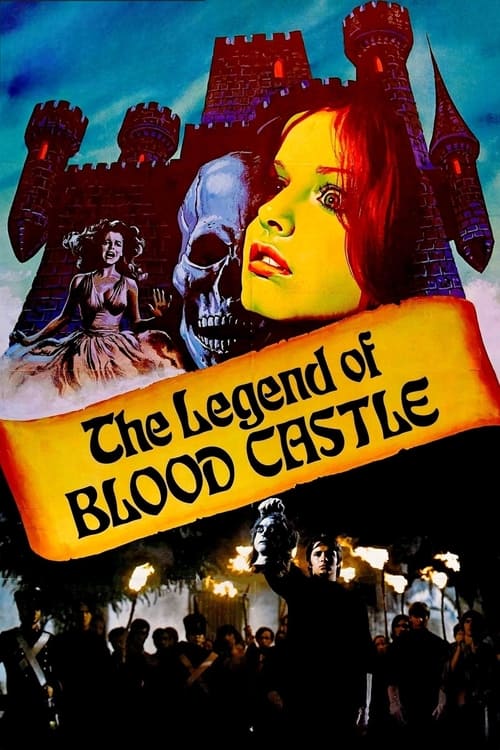
The Legend of Blood Castle
1973
No user ratings available yet
Representation score: 2.1 out of 10
Representation Score
Limited
1970
PGDirector
Jesús Franco
Runtime
98 minutes
Average Rating
No ratings yetNew Showbiz Analysis
Jesús Franco’s adaptation emphasizes gothic aesthetics and eroticism over deeper sociopolitical themes. It adheres closely to the conventions of 1970s exploitation cinema, maintaining traditional social norms. The film upholds strict gender hierarchies, with Dracula positioned as a dominant force and female characters serving as tools for his rejuvenation. Culturally, the film is limited to a narrow Eurocentric perspective, relying on conventional religious symbolism.
Category Breakdown
The film follows a strictly heterosexual storyline without any queer subtext or non-binary gender identities. It centers on a predatory relationship between a male character and several females, lacking any LGBTQ+ representation.
Dracula holds absolute power and control throughout the film. Female characters are mostly portrayed as vulnerable or objects of desire, reinforcing traditional gender roles and male dominance.
The film features a predominantly white cast reflecting the Eurocentric standards of the 1970s. There is no representation of diverse ethnic backgrounds, limiting the range of cultural experiences.
The story relies on traditional religious symbols and a clear-cut moral framework. It presents a battle between good and evil without challenging these established beliefs.
The narrative does not include characters with disabilities, either visible or invisible. Characters are characterized by their vitality or supernatural status rather than any form of disability.
Present on Screen
Limited or Absent
Official Synopsis
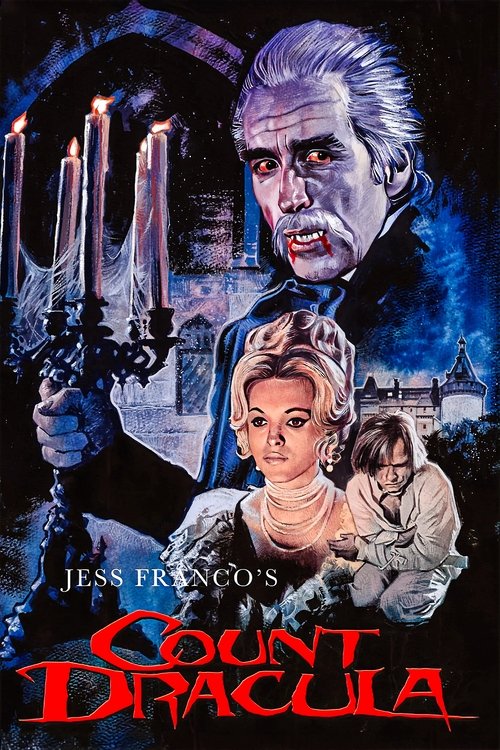
A faithful adaptation of the classic tale portrays Dracula as an old man who grows younger whenever he dines on the blood of young maidens.
1973

1973

1967
1964
1967
1960

1981
1971
No reviews yet. Be the first to share your thoughts on this movie!
Use the rating form above to leave a star rating and optional review.