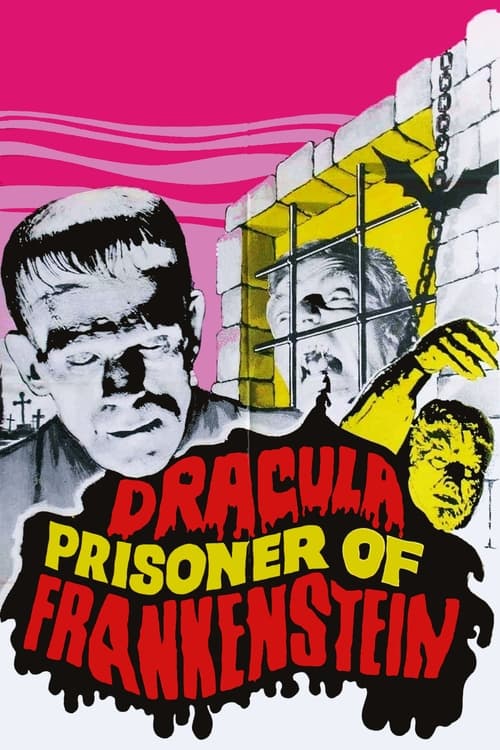
Dracula, Prisoner of Frankenstein
1972
No user ratings available yet
Diversity score: 2.5 out of 10
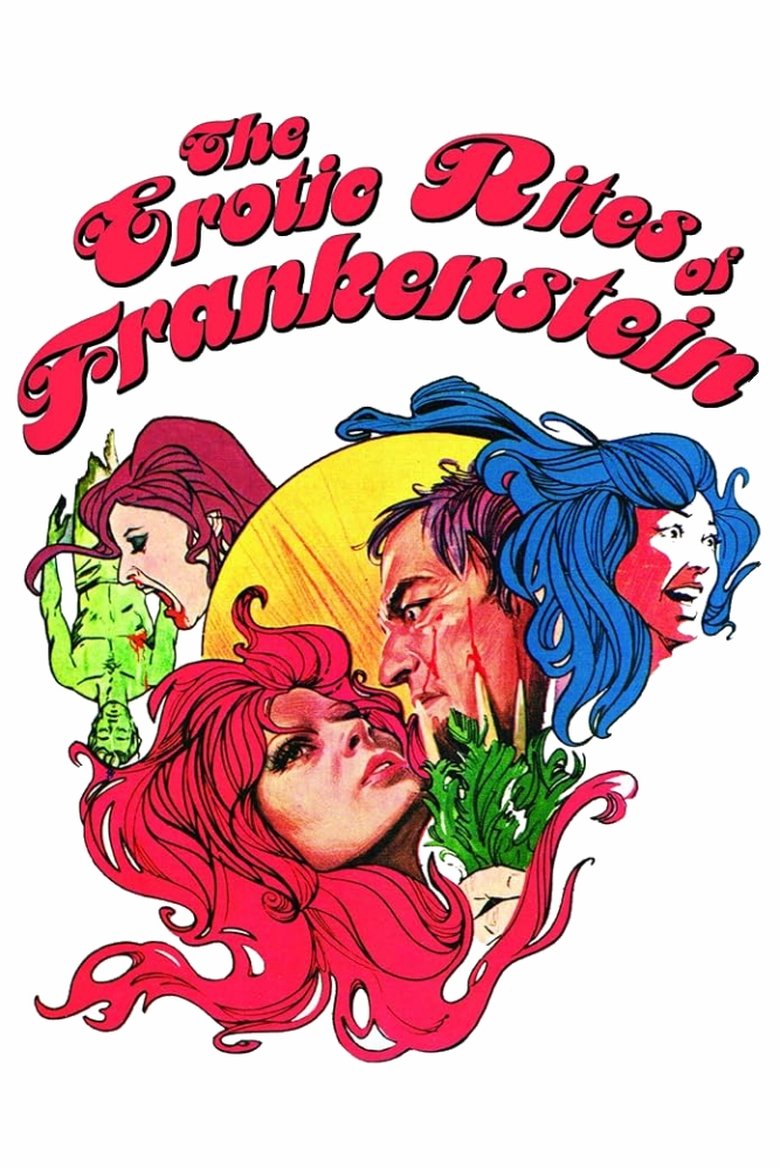
1973
Not RatedDirector
Jesús Franco
Runtime
74 minutes
Average Rating
No ratings yetSynopsis
After the death of Victor Frankenstein, two figures vie for control of his monster and the radical technology that created him: the scientist's daughter, and an immortal wizard assisted by a blind bird-woman with an unquenchable thirst for blood.
Overall Score
Limited
Category Breakdown
LGBTQ+ Representation
The film lacks LGBTQ+ characters or storylines. Interpersonal dynamics focus on heteronormative eroticism and scientific obsession rather than non-cisnormative identities.
Gender Representation
Female characters are central to the visual landscape but often lack true agency. They frequently serve as objects of desire or subjects of experimentation within the male-driven plot.
Racial & Ethnic Diversity
The cast is predominantly white European, reflecting the production's context. There is no significant racial or ethnic diversity among the central characters.
Religious & Cultural Diversity
The film embraces moral relativism by presenting scientific transgression without judgment. It rejects traditional Western moral correctives in favor of a postmodern, transgressive narrative.
Disability Representation
A blind bird-woman appears, but her disability functions as a gothic horror trope. The character lacks nuanced agency or a challenge to societal perceptions of disability.
Strengths
Areas for Improvement
AI Analysis
The film is a product of 1970s sexploitation, prioritizing genre transgression and sensory experience over demographic inclusivity. It relies heavily on established tropes that reinforce traditional power imbalances, particularly regarding gender and disability. While the film fails to provide meaningful representation for LGBTQ+ individuals or diverse racial groups, it succeeds in subverting traditional ethical hierarchies. Its focus on scientific obsession and the rejection of moral authority provides a unique, albeit non-inclusive, cultural perspective. Ultimately, the work functions as a study in moral ambiguity rather than a vehicle for social representation, making it a niche cult piece rather than a diverse narrative.
1972
1998
1984
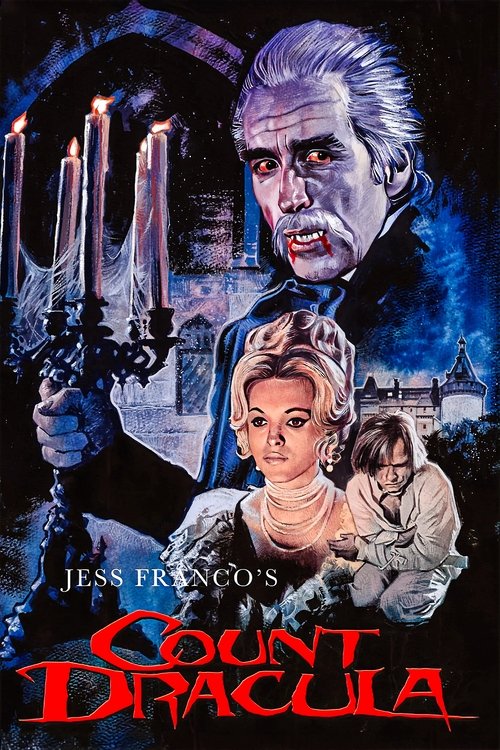
1970
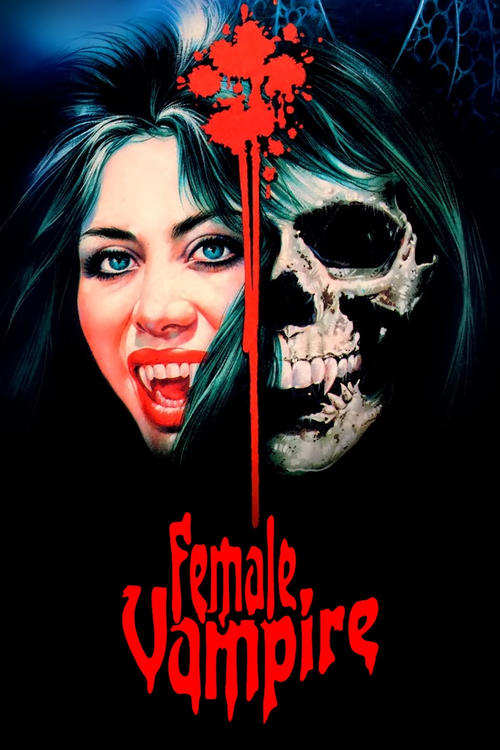
1973
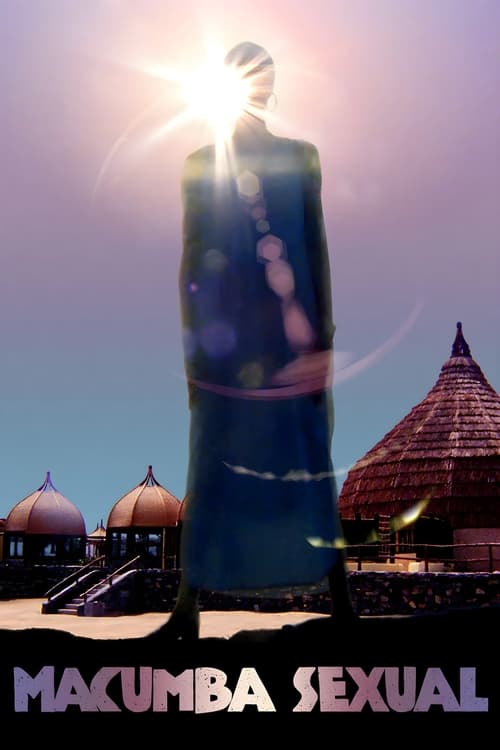
1983

1971
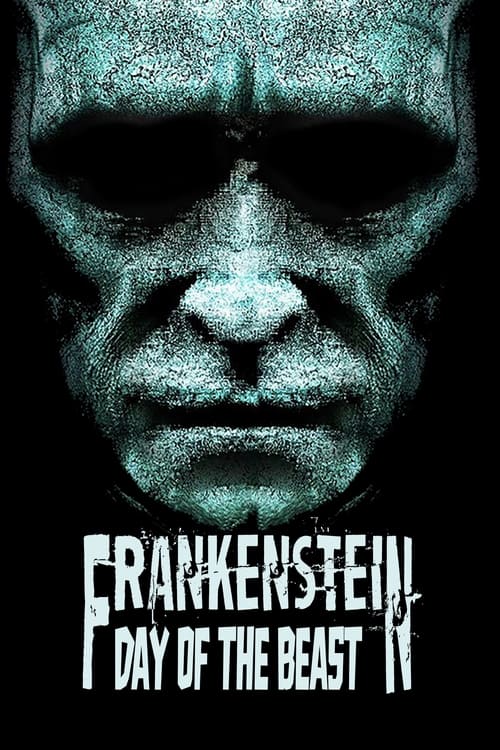
2011
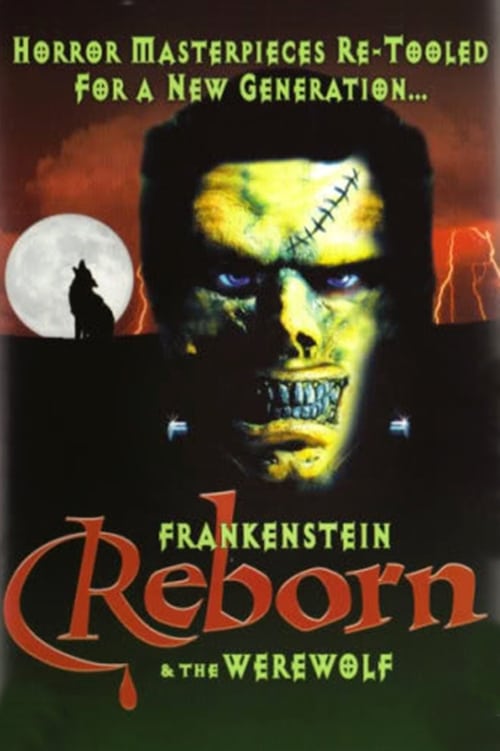
2005
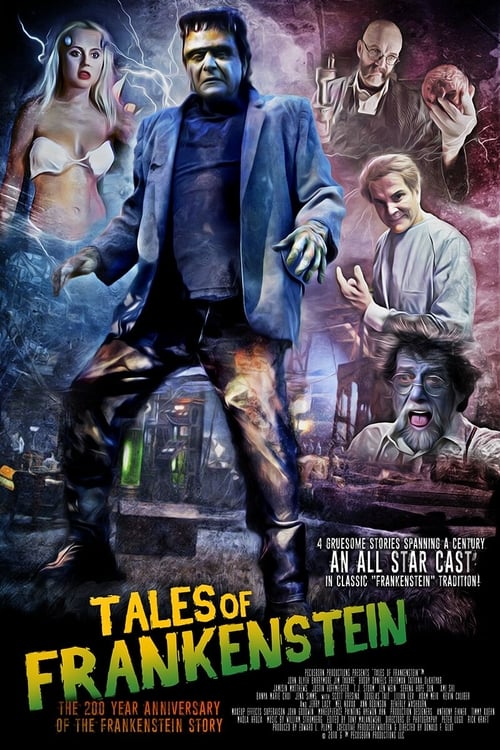
2018
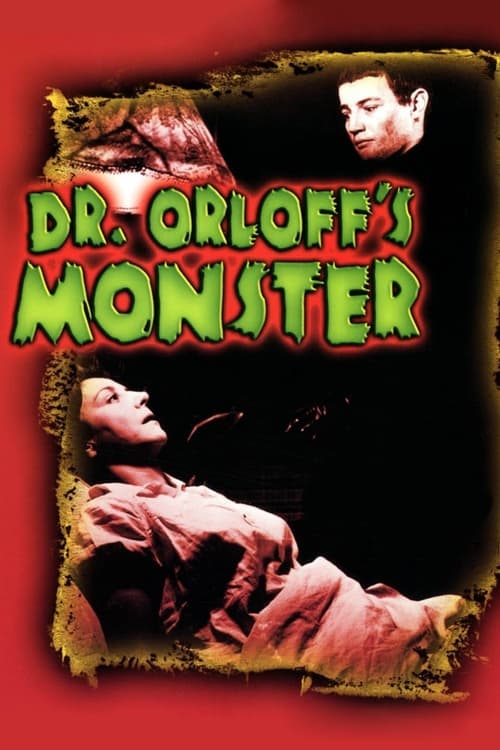
1964
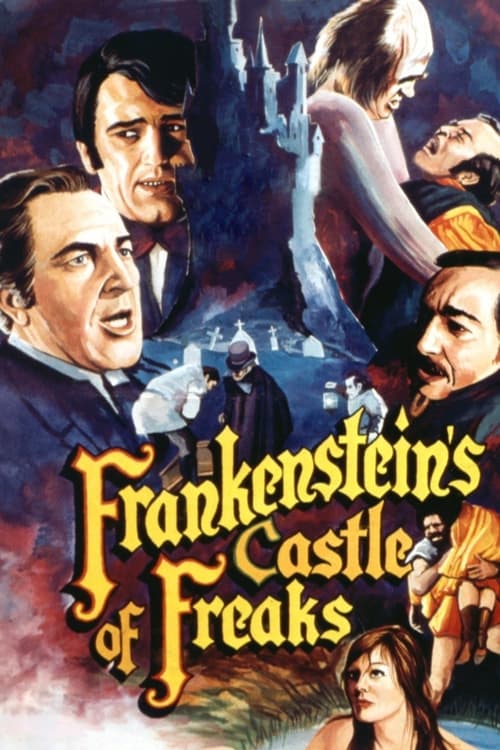
1974
No reviews yet. Be the first to share your thoughts on this movie!
Use the rating form above to leave a star rating and optional review.