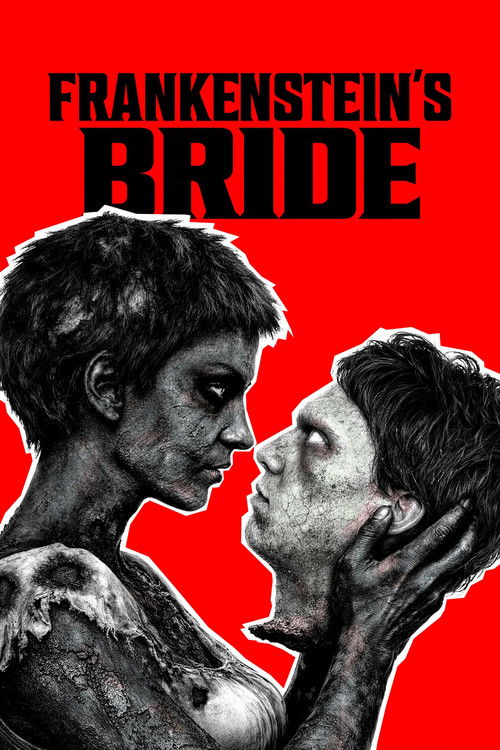
Frankenstein's Bride
2026
No user ratings available yet
Representation score: 2.8 out of 10
Representation Score
Limited
2011
RDirector
Ricardo Islas
Runtime
92 minutes
Average Rating
No ratings yetNew Showbiz Analysis
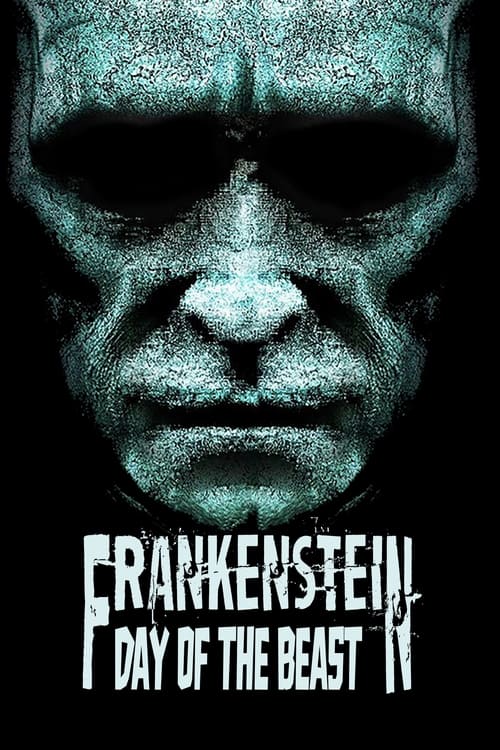
Frankenstein: Day of the Beast is a genre-driven horror film that emphasizes classical Gothic motifs over social subversion. The narrative structure relies on well-known formulas of protection, secrecy, and ritual, focusing on plot rather than multi-layered identity. The film maintains a conventional approach to social hierarchies, utilizing traditional gendered dichotomies and Western cultural frameworks, offering little in the way of diverse representation or the deconstruction of systemic norms. Ultimately, the work serves as a standard independent horror piece, leaning into the familiarity of its literary source material rather than expanding its social scope.
Category Breakdown
The film focuses on a traditional heterosexual relationship between Victor and Elizabeth. There are no representations of LGBTQ+ identities or narratives that challenge the assumption that everyone is straight or cisgender.
Elizabeth is portrayed as a character who needs protection, while male characters have more control over the story. Although the horror elements complicate the protector dynamic, the film generally follows traditional gender roles.
The narrative features a typical Western Gothic cast. There is no indication of diverse casting or the use of non-human species as symbols for ethnic diversity.
The story involves Western institutions like the Church and marriage rituals. While it explores moral ambiguity through Victor's secrets, it does not provide explicit social or anti-Western commentary.
No characters are shown with visible or invisible disabilities. The central creature is framed solely as a horror threat, without exploring physical or neurodivergent experiences.
Present on Screen
Limited or Absent
Official Synopsis
In a foggy winter morning, a raft brings a priest to an isolated island. He is getting paid to perform a wedding ritual under very mysterious conditions. The groom is Victor Frankenstein, and the young and beautiful bride is his cousin Elizabeth. Seven armed and dangerous mercenary soldiers have been hired to protect her against something huge that hides in the woods, awaiting for that wedding night to be consummated. Victor is the only one who knows the truth about their enemy. His secret will be paid with the life of his private army, whose men will die one by one, as the creature gets closer to his target: the bride.
2026
1969

2015

1974
1973
1960
1972
1957
No reviews yet. Be the first to share your thoughts on this movie!
Use the rating form above to leave a star rating and optional review.