The Little Chimney Sweep
1955
No user ratings available yet
Representation score: 5.8 out of 10

Representation Score
Limited
1955
Director
Vladimir Polkovnikov, Aleksandra Snezhko-Blotskaya
Runtime
44 minutes
Average Rating
No ratings yetNew Showbiz Analysis
The Enchanted Boy is a classic mid-century animated fable that emphasizes moral growth and collective harmony over diverse representation. Its structure follows a traditional pedagogical arc, focusing on a single character's transformation through physical and social trials. While the film avoids specific Western religious dogmas, it remains rooted in the cultural aesthetics of the Soviet era. The narrative relies on established fairy-tale archetypes that reinforce traditional hierarchies rather than challenge them. Ultimately, the film serves as a tool for teaching social responsibility through myth, lacking the diverse casting or subversion of norms found in modern media.
Category Breakdown
The film follows a traditional fairy-tale format focused on a single male protagonist. There are no representations of LGBTQ identities or narratives.
The story centers around Nils, a young male protagonist. Female characters exist but primarily function within traditional gender roles without driving the plot or challenging gender norms.
The film showcases a homogenous Slavic aesthetic typical of its time. Magical creatures appear but serve as mythological symbols rather than exploring racial or ethnic diversity.
The story emphasizes a secular, mythic morality rather than Western religious or capitalist themes. It highlights the relationship between humans and nature, reflecting educational goals of social responsibility.
The protagonist's transformation into a dwarf serves as a magical plot device for adventure. It does not delve into the nuances of disability or explore the impact of physical limitations.
Present on Screen
Limited or Absent
Official Synopsis
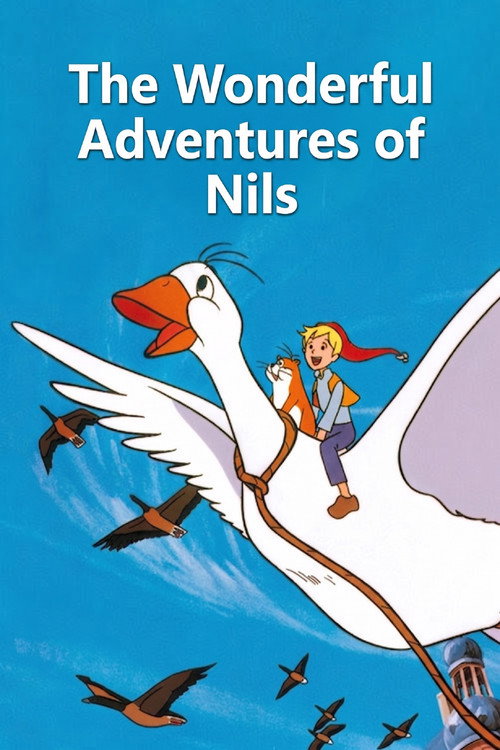
An animated adaptation of the classic story of Nils Holgerson, a naughty boy who is transformed to a very little dwarf and goes through many adventures, flying with a band of wild geese.
1955
1954

2003
1954
1944
1954
1982
1962
No reviews yet. Be the first to share your thoughts on this movie!
Use the rating form above to leave a star rating and optional review.