
Hansel and Gretel
1954
No user ratings available yet
Representation score: 1.1 out of 10
Representation Score
Minimal
1949
TV-GDirector
Ray Harryhausen
Runtime
9 minutes
Average Rating
No ratings yetNew Showbiz Analysis
This 1949 animation serves as a preservation of traditional European folklore rather than a vehicle for social commentary. The narrative follows a highly conventional, linear structure centered on a classic folk motif. The work reinforces mid-20th-century structural norms. It focuses on a clear-cut moral dichotomy between an innocent protagonist and a predatory antagonist, adhering to the standard formulas of its time. Ultimately, the film lacks the intentionality required to challenge established social hierarchies or subvert the traditional character roles common to mid-century Western animation.
Category Breakdown
The film does not include any representation of non-binary or transgender identities. It focuses solely on the protagonist and the wolf, adhering to the standard social norms of its era.
The narrative relies on the traditional 'damsel' cliché. The young female protagonist is portrayed as a vulnerable figure rather than an active agent of change.
The story is inherently Eurocentric, reflecting a homogeneous cultural background. It lacks intentional racial diversity or non-Anglo-Saxon character archetypes.
The film reinforces traditional Western folklore and classical morality. It does not explore subjective morality or deconstruct Western institutions.
There is no evidence of characters navigating physical or neurodivergent disabilities. Characters function as archetypes rather than nuanced studies of lived experience.
Present on Screen
Limited or Absent
Official Synopsis
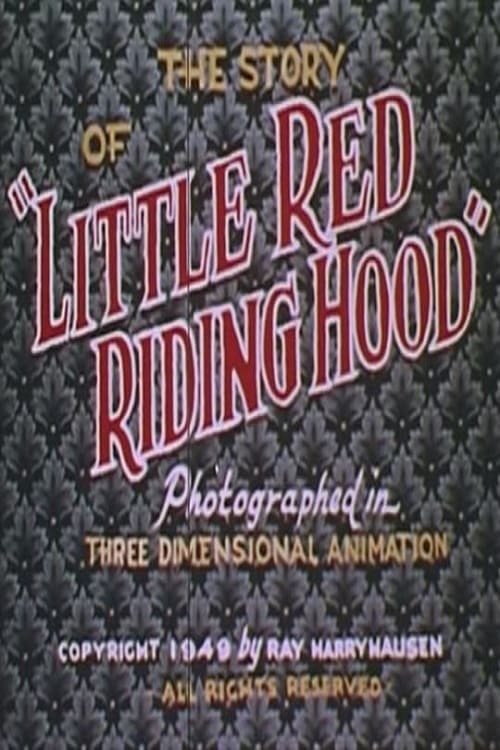
Based on the classic European fairytale. A young girl is pursued and tricked by a big bad wolf who wants to eat her. Animated by Ray Harryhausen.
1954

1926
1954

1985
1951

1955

1951

1954
No reviews yet. Be the first to share your thoughts on this movie!
Use the rating form above to leave a star rating and optional review.