
The Real Right Stuff
2020
No user ratings available yet
Representation score: 2.8 out of 10
Representation Score
Minimal
2003
TV-PGRuntime
90 minutes
Average Rating
No ratings yetNew Showbiz Analysis
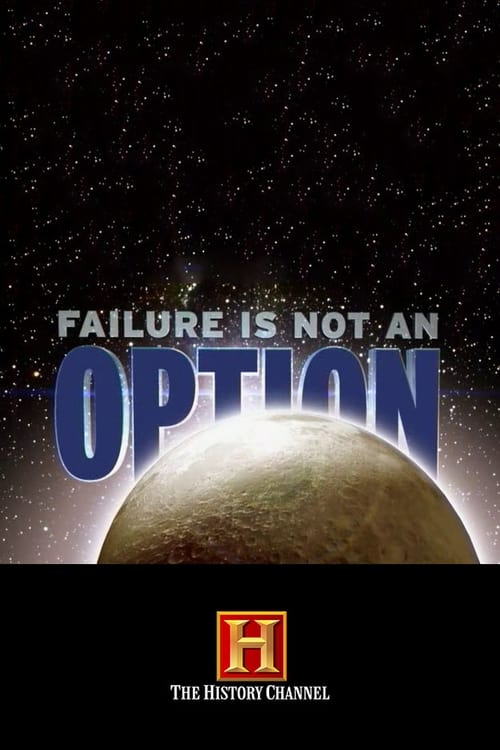
Failure Is Not an Option serves as a historical chronicle of the NASA manned space program through the eyes of Flight Director Gene Kranz. The documentary focuses on the technical mastery of Mission Control from Mercury to Apollo 17, which is inherently tied to the social and professional hierarchies of the 1960s and 70s. The film prioritizes the institutional legacy and the competence of traditional leadership, which naturally centers on the dominant demographics of that era. This results in a narrative that mirrors the historical lack of diversity within NASA's command structures.
Category Breakdown
The documentary focuses on the technical operations of NASA's Mission Control and does not include any characters or narratives related to LGBTQ+ identities.
The film centers on the men of Mission Control, reflecting the era's professional landscape dominated by men. It lacks female involvement in decision-making processes.
The narrative highlights a homogeneous demographic within the upper echelons of Mission Control, without challenging the racial status quo of the time.
The film celebrates Western institutional achievements and American engineering. It promotes a narrative of progress through disciplined, hierarchical, and highly structured organizational models.
There is no focus on neurodivergence, physical disabilities, or chronic illness. The subjects are presented through a lens of peak operational performance.
Present on Screen
Limited or Absent
Official Synopsis
The Space Race comes alive through the eyes of the ultimate insider - retired NASA Mission Control Flight Director Gene Kranz. A history of the U.S. manned space program from Mercury to Apollo 17, as seen by the men of Mission Control.
2020

2007

2014

1989
2016

2013

2019

2022
No reviews yet. Be the first to share your thoughts on this movie!
Use the rating form above to leave a star rating and optional review.