
El Che
2017
No user ratings available yet
Representation score: 5.4 out of 10
Representation Score
Fair
2015
TV-PGDirector
Adriana Bosch
Runtime
52 minutes
Average Rating
No ratings yetNew Showbiz Analysis
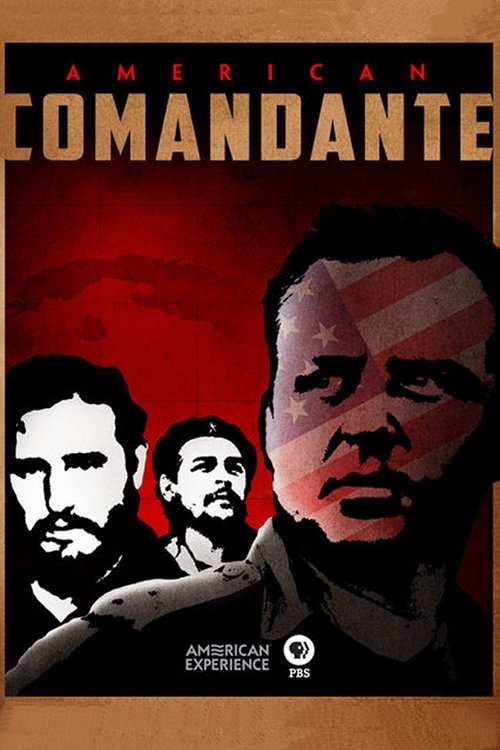
American Comandante serves as a sophisticated historical inquiry that challenges conventional American biographical narratives. By focusing on a figure who operated outside US institutional loyalty, the film disrupts traditional Western hierarchies. The documentary succeeds in providing a globalized understanding of historical ability to act through the use of Cuban eyewitnesses and declassified documents. This approach transforms the story from a simple Cold War thriller into a nuanced study of moral relativism. While the film offers strong cultural and ethnic perspectives, it remains centered on a male figure and lacks explicit representation of identity labels or disabilities.
Category Breakdown
The film explores the unconventional lifestyle of William Alexander Morgan, a character who challenges typical assumptions about straight relationships. However, there are no explicit depictions of same-sex intimacy.
While the main character is a male figure, the film challenges traditional male hero stereotypes by presenting him as a former failure. The inclusion of Morgan’s widow adds a valuable female perspective.
The documentary focuses on the Cuban Revolution, featuring combatants and figures like Che Guevara. This multi-ethnic perspective challenges Western-centric history.
The film critiques American dominance by examining a US citizen fighting for a communist revolutionary force. It presents a complex morality that questions traditional notions of patriotism.
There is no evident portrayal of physical or neurodivergent disabilities in the film.
Present on Screen
Limited or Absent
Official Synopsis
When he was executed outside a Havana prison on March 11, 1961, the strange story of William Morgan seemed to vanish from the popular imagination as quickly as it had appeared. William Alexander Morgan was one of only a couple dozen US citizens who joined Cuban rebel forces, fighting for Fidel Castro in 1957. With government documents recently declassified, new information has come to light and Morgan’s story has come back into the public eye. American Comandante has the makings of a Cold War thriller— with adventure, spies and historical figures such as J. Edgar Hoover and Chè Guevera. Eyewitness accounts from Morgan’s widow and several Cubans who fought alongside him, as well as commentary from journalists and biographers, tell the story of a man who transformed from a failure to a hero and celebrity. American Comandante is a quintessential American story of a man who reinvented himself.
2017
2012
1994
2017

1961
2008
2001
2014
No reviews yet. Be the first to share your thoughts on this movie!
Use the rating form above to leave a star rating and optional review.