
American Umpire
2016
No user ratings available yet
Representation score: 3.9 out of 10
Representation Score
Fair
2017
TV-14Director
Dawn Gifford Engle
Runtime
64 minutes
Average Rating
No ratings yetNew Showbiz Analysis
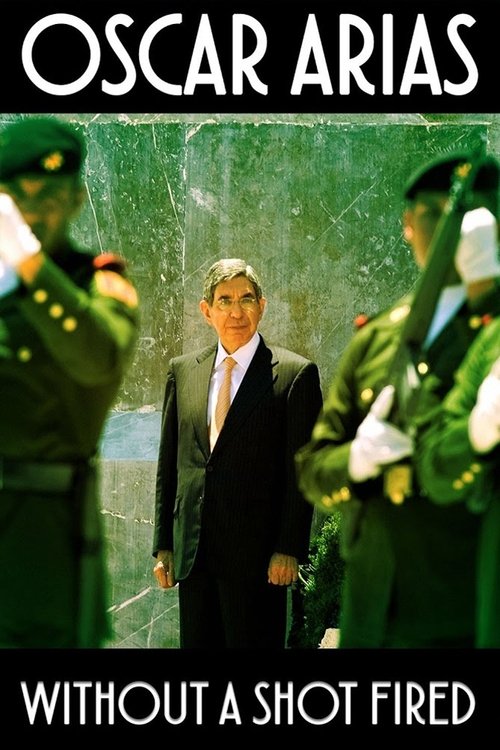
The documentary shifts the historical focus from traditional superpowers to a Central American perspective. By highlighting Oscar Arias, it challenges the dominance of Western military institutions and provides a new narrative that disrupts Eurocentric history. However, the film remains tied to conventional historical frameworks regarding gender and identity. The focus on male-dominated political spheres and the lack of LGBTQ+ narratives limit its depth. Ultimately, the film's strength lies in its critique of state violence and its promotion of a pacifist model of international relations.
Category Breakdown
The film focuses on Cold War geopolitics and the diplomatic efforts of Oscar Arias. It does not include any narratives or character arcs related to LGBTQ+ identities.
The narrative centers on male political figures such as Arias, Reagan, and Gorbachev. Female involvement in the diplomatic process is limited.
The documentary highlights a Central American leader, placing him at the center of global diplomacy. It challenges Eurocentric historical narratives by focusing on a Global South perspective.
The film criticizes Western military-industrial complexes and traditional views of national defense. It promotes a pacifist worldview and the importance of reason in international relations.
There is no focus on physical or neurodivergent disabilities in the narrative.
Present on Screen
Limited or Absent
Official Synopsis
This is the story of a tiny country that made a decision to do something that no other country had ever done -- it decided to abolish its army and declare peace to the world. And this is the story of a young boy who grew up in that country, and how he ended up challenging -- and sometimes even convincing -- the greatest powers in the world to follow Costa Rica's example. "Oscar Arias: Without a Shot Fired" is a Don Quixote-like saga with great historical touchstones -- Ronald Reagan and Mikhail Gorbachev, Cold War politics and Communism, Central American War and Peace. It follows a slight, academic, and most unlikely hero over the course of more than fifty years, as he travels the world in a quest to stop the spread of the weapons of war. In the end, it is a story about the triumph of reason, of the sparrow triumphing over the eagle, and how the impossible dream can sometimes come true.
2016
2012

1999
2011
2014
2005
2018

2015
No reviews yet. Be the first to share your thoughts on this movie!
Use the rating form above to leave a star rating and optional review.