L'Espérance
2004
No user ratings available yet
Representation score: 4.1 out of 10
Representation Score
Fair
1976
NRDirector
Werner Herzog
Runtime
94 minutes
Average Rating
No ratings yetNew Showbiz Analysis
Herzog’s film is a formalist deconstruction of narrative that prioritizes existential isolation over social cohesion. By stripping away cohesive plot and conventional motivations, the work disrupts traditional social hierarchies through a landscape of psychological atomization. The film's strength lies in its postmodern approach to truth, favoring subjective reality over institutionalized morality. It succeeds in critiquing Western stability by rendering traditional pillars like the nuclear family and religion irrelevant to its characters. However, the work lacks proactive demographic representation. It remains grounded in a localized, homogeneous setting and does not engage with specific identities regarding race, disability, or sexual orientation.
Category Breakdown
The film does not explicitly depict non-binary genders or same-sex relationships. While the fragmented narrative allows for varied interpretations of connection, there is no clear evidence of queer identities.
Traditional gender roles are avoided because characters exist in a state of existential drift. This is not a proactive subversion of roles, but a byproduct of the film's non-narrative structure.
Set in a specific European context, the film features a relatively homogeneous cast. It does not actively engage in multicultural casting or explore diverse racial backgrounds.
The film engages deeply with moral relativism and the erosion of institutional authority. It presents a world where religion and the state are rendered irrelevant to the human condition.
There is no evidence of characters with visible or invisible disabilities serving as central figures. The focus remains on a universalized existential struggle rather than specific lived experiences.
Present on Screen
Limited or Absent
Official Synopsis
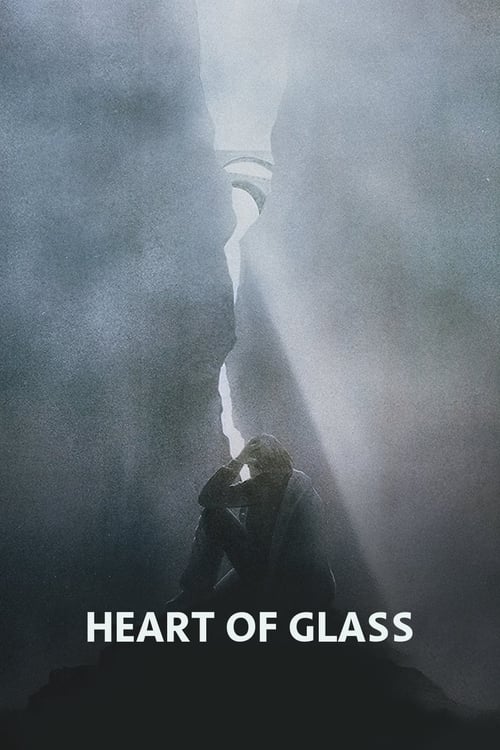
A small Bavarian village is renowned for its "Ruby Glass" glass blowing works. When the foreman of the works dies suddenly without revealing the secret of the Ruby Glass, the town slides into a deep depression, and the owner of the glassworks becomes obssessed with the lost secret.
2004

1964
1978

1957
1993
1982
1986

1978
No reviews yet. Be the first to share your thoughts on this movie!
Use the rating form above to leave a star rating and optional review.