
The Sparrow
1972
No user ratings available yet
Representation score: 7.9 out of 10
Representation Score
Excellent
1971
Director
Hussein Kamal
Runtime
122 minutes
Average Rating
No ratings yetNew Showbiz Analysis
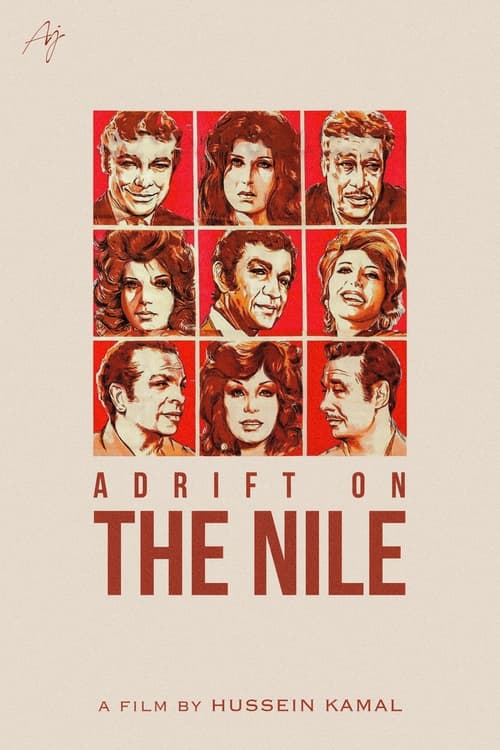
Hussein Kamal’s adaptation of Naguib Mahfouz’s work critiques social stability by using a riverboat as a transitional space. The film dismantles nationalistic and familial certainties after the 1967 Six-Day War. It excels in its cultural depth, using existential themes to question institutional effectiveness. The film explores how individuals navigate a failing systemic framework. While strong in its social critique, the film lacks explicit representations of specific identities, such as LGBTQ+ or physical disabilities, focusing on broader psychological and societal themes.
Category Breakdown
The film delves into deep psychological connections and unusual relationships but doesn't include clear narratives or explicit representations of non-straight identities.
Female characters are shown with intellectual and emotional depth, challenging traditional submissive roles and patriarchal hierarchies.
The film features a diverse cast reflecting local culture and avoiding Western-centric views. It highlights the complexities of post-colonial identity and internal social divisions in Egypt.
The story focuses on secular, existential questions rather than traditional moral values. It portrays character rebellion as a response to systemic failures and national trauma.
There are no direct depictions of physical or neurodivergent disabilities. Instead, the film uses collective existential paralysis as a metaphor for broader societal issues.
Present on Screen
Limited or Absent
Official Synopsis
Set against the backdrop of the 1967 Six-Day War, the movie adaptation of Naguib Mahfouz's novel follows the escapist, drug-fueled riverboat meetings of a group of frustrated Egyptians from various walks of life.
1972

1964
1968

1968

1986

1960

1972
1986
No reviews yet. Be the first to share your thoughts on this movie!
Use the rating form above to leave a star rating and optional review.