
Karnak
1975
No user ratings available yet
Representation score: 7.9 out of 10
Representation Score
Fair
1979
Director
Hussein Kamal
Runtime
135 minutes
Average Rating
No ratings yetNew Showbiz Analysis
Hussein Kamal’s drama serves as a social critique of institutional errors and the intersection of class and state authority. By focusing on the wrongful arrest of ordinary citizens, the film examines the vulnerability of individuals against monolithic state apparatuses. The film excels in its cultural representation and its challenge to the legitimacy of systemic power. It highlights the struggle of the common man against systemic oppression through a lens of social realism. However, the work lacks explicit markers of diversity. It does not feature overt LGBTQ+ or disability-centric narratives, focusing instead on the chaotic nature of institutional power.
Category Breakdown
The film does not include any explicit LGBTQ+ characters or themes. The main focus is on class conflict and legal injustice.
The story primarily revolves around male protagonists and their interactions in public and legal spaces. Social friction occasionally involves the domestic sphere, but the narrative emphasizes male-driven interactions.
The film offers a culturally specific, non-Western perspective centered on Middle Eastern social dynamics and local class struggles within a relatively homogeneous ethnic framework.
The narrative critiques Western-style institutionalism and state authority. It uses the theme of mistaken identity to question the infallibility of state institutions.
There is no information available regarding the depiction of physical or neurodivergent characters.
Present on Screen
Limited or Absent
Official Synopsis
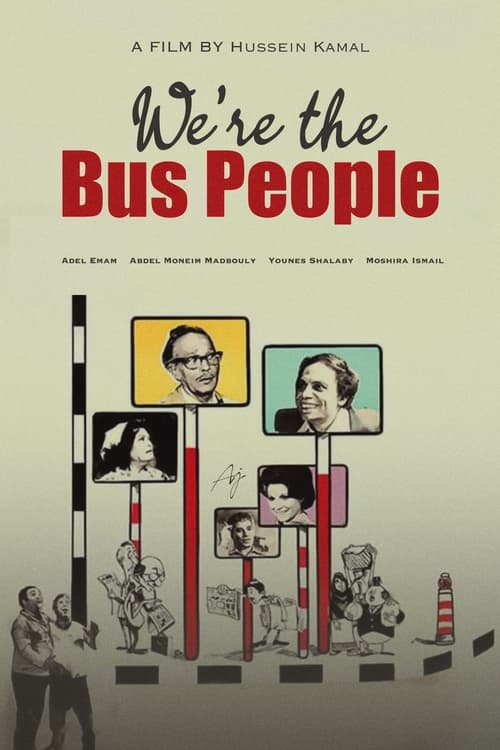
Adel Imam and neighbour Abdel Moneim Madbouly are taken to a Police station after an altercation with a bus conductor. They are mistakenly arrested with a group of suspected terrorists and taken to a maximum security jail.
1975
2005
1968
1982

1991
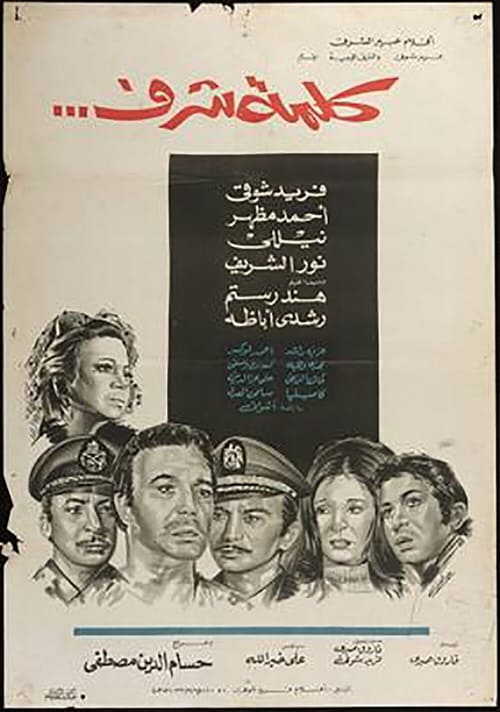
1973
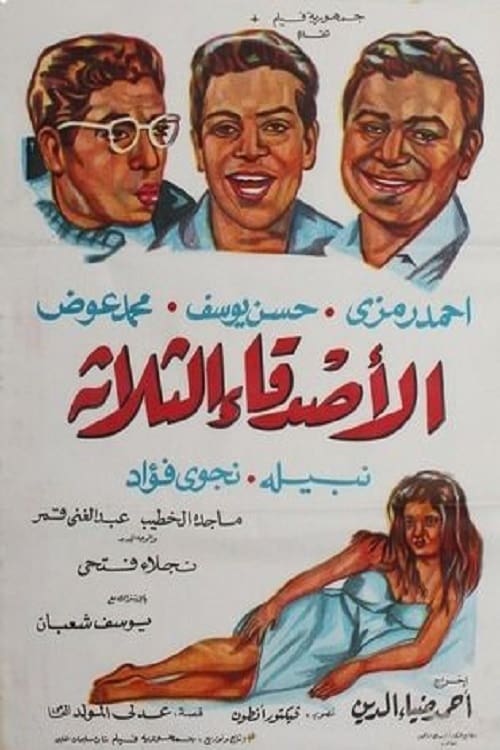
1966
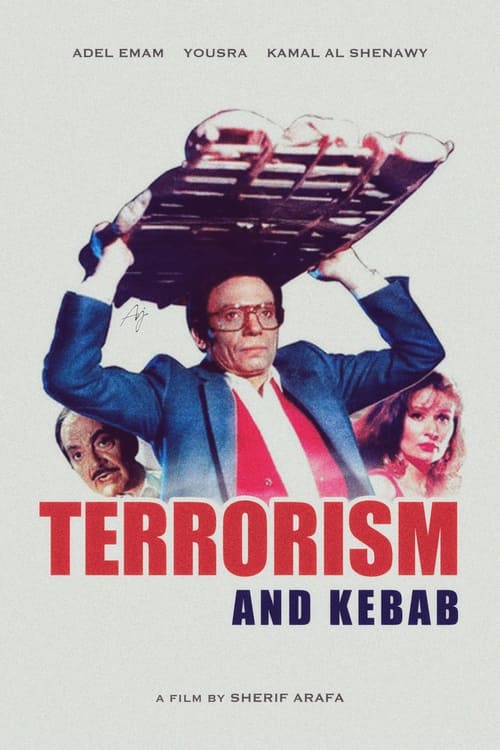
1992
No reviews yet. Be the first to share your thoughts on this movie!
Use the rating form above to leave a star rating and optional review.