
The Arch
1969
No user ratings available yet
Diversity score: 4.6 out of 10
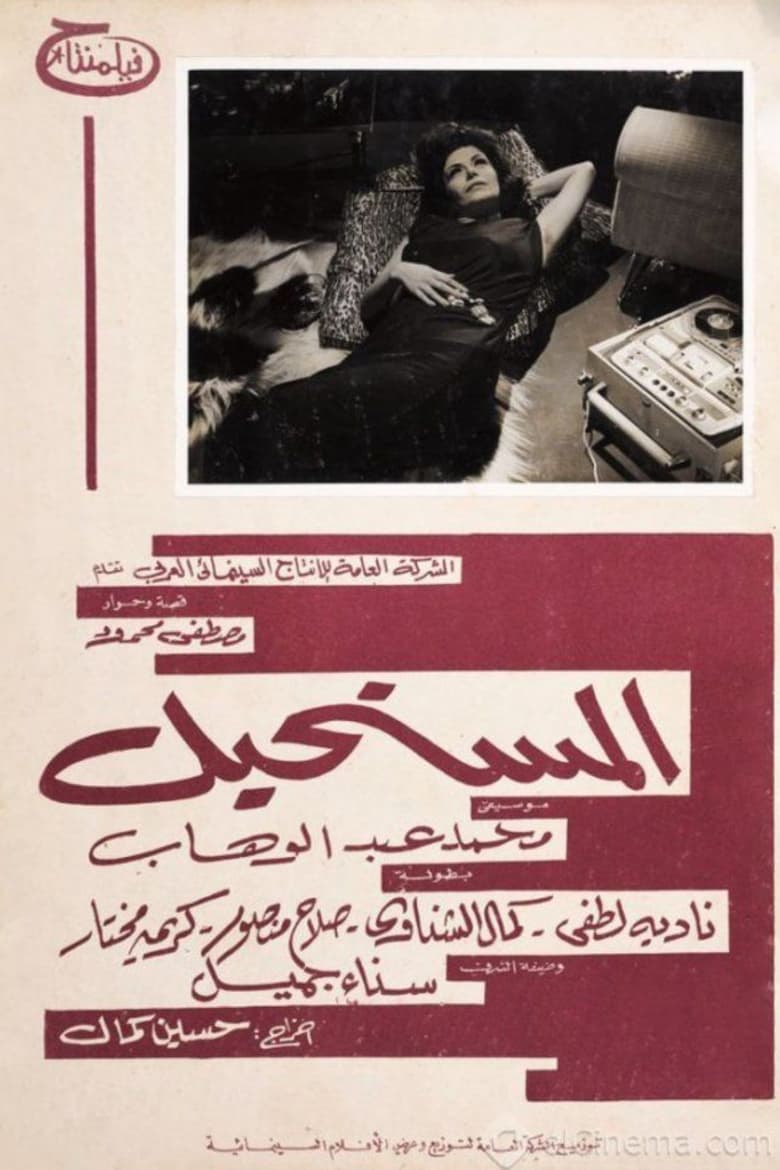
1965
Director
Hussein Kamal
Runtime
109 minutes
Average Rating
No ratings yetSynopsis
Helmy's father forces him to marry someone he doesn't love. When his father dies, Helmy decides to break free. He meets Nany, the gentle helpless girl, then he meets the lawyer Fatima, a liberal who claims to be cultured.
Overall Score
Fair
Category Breakdown
LGBTQ+ Representation
The film lacks LGBTQ+ characters or narratives. The central conflict focuses on a traditional marriage arrangement, reinforcing conventional social structures rather than challenging them.
Gender Representation
The story offers moderate subversion of gender hierarchies. While Nany represents a helpless archetype, Fatima provides a counterpoint as a liberal, cultured lawyer with intellectual agency.
Racial & Ethnic Diversity
The film operates within a culturally homogeneous Egyptian framework. It focuses on localized class and social strata rather than intersectional racial blending.
Religious & Cultural Diversity
The narrative critiques traditional institutions by deconstructing patriarchal authority. The tension between a father's wishes and a son's autonomy highlights a shift toward secular, modern values.
Disability Representation
There are no visible or invisible disabilities depicted within the primary character arcs.
Strengths
Areas for Improvement
AI Analysis
The Impossible explores the friction between tradition and modernity through a mid-century dramatic lens. It finds its strength in the tension between patriarchal mandates and the pursuit of individual autonomy. While the film lacks modern intersectional markers like LGBTQ+ representation or racial diversity, it succeeds in presenting female characters who challenge submissive tropes. The contrast between the helpless Nany and the professional Fatima provides a nuanced look at gendered agency. Ultimately, the film serves as a localized study of social strata and the movement toward personal liberation against systemic constraints.
1969

1985

1968

1973

2013

1984

2010
1976

1993
1949

1951
1958
No reviews yet. Be the first to share your thoughts on this movie!
Use the rating form above to leave a star rating and optional review.