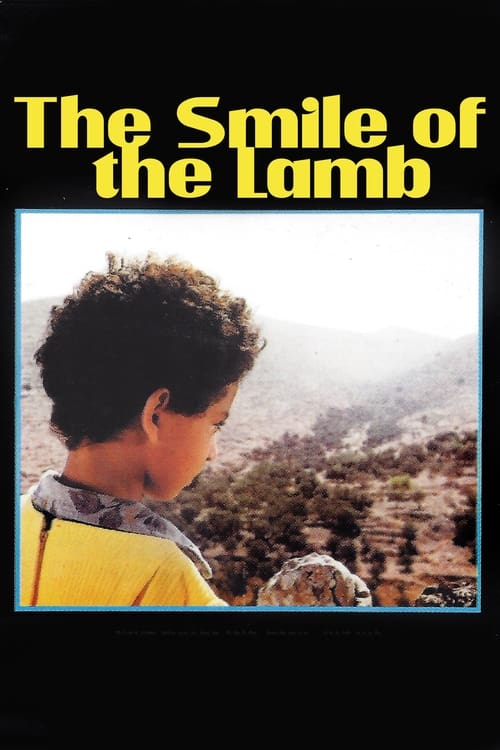
The Smile of the Lamb
1986
No user ratings available yet
Representation score: 6.0 out of 10
No Poster Available
Representation Score
Fair
2008
PG-13Director
Khen Shalem
Runtime
16 minutes
Average Rating
No ratings yetNew Showbiz Analysis
On the Road to Tel Aviv uses a contained setting to study social friction. By placing enemies in a shared bus, the film disrupts conventional binary depictions of conflict and explores situational ethics. The narrative focuses on blending conflicting identities, moving away from monolithic archetypes. This approach challenges rigid geopolitical identities through human connection. While the film lacks explicit markers of high-level multi-layered casting, it creates a pressurized environment that challenges social and political binaries.
Category Breakdown
The film does not provide explicit evidence of queer-coded character arcs or non-assuming gender matches what was assigned at birth identities. While the shared confinement of enemies might suggest potential for non-traditional social bonds, there are no specific romantic or identity-based details.
The narrative explores survival within a war zone, which may break down traditional gender roles. However, it remains unclear whether the film challenges or reinforces typical depictions of strength and vulnerability.
The premise involves diverse ethnic and national identities. By placing enemies in a shared space, the film moves away from homogeneous portrayals of social groups.
The film critiques rigid, traditional cultural identities by blurring nationalistic and moral boundaries. It uses a landscape of systemic instability to suggest a critique of monolithic cultural truths.
There is no evidence of characters with visible or invisible disabilities within the provided context.
Present on Screen
Limited or Absent
Official Synopsis
Under the tense reality of war and terror, enemies can sometimes find themselves in the same boat (or in the same bus).
1986

2009

2012

2017

2010
1997
2004

2012
No reviews yet. Be the first to share your thoughts on this movie!
Use the rating form above to leave a star rating and optional review.