Dangerous Dan McFoo
1939
No user ratings available yet
Diversity score: 1.8 out of 10
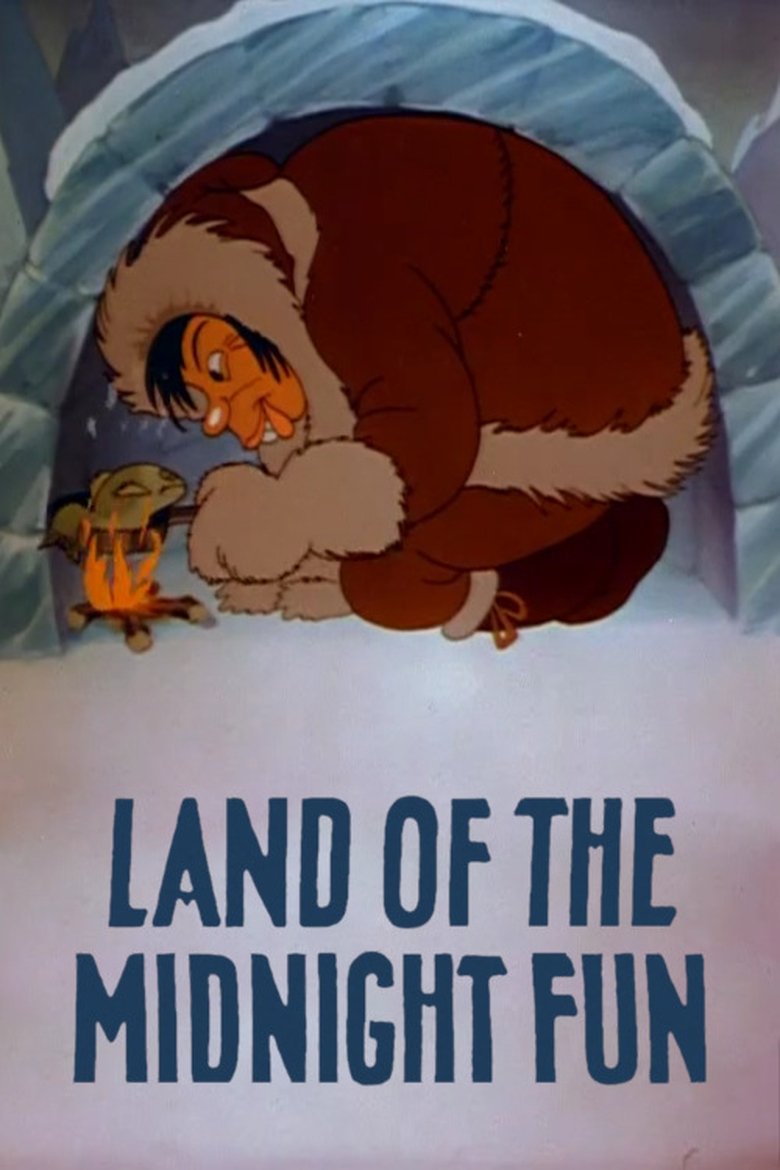
1939
Director
Tex Avery
Runtime
8 minutes
Average Rating
No ratings yetSynopsis
A cruise to Nome, Alaska, starts with some cruise-ship jokes: the ship pulls out of the harbor like a car, raising anchor also raises the front of the boat, the ship follows the coast by curving around it. On arrival, we see some local scenes: A penguin eats two fish, then is eaten by the third; the dogs of a dog sled stop (behind an iceberg) at a telephone pole; a timber wolf goes around shouting "Timber!" Two Eskimos rub noses: in preparation, the woman applies lipstick to her nose. Finally, an Eskimo nightclub (after all, the nights are six months long) features a rotoscoped ice skater. The ship leaves, and gets caught in the fog near New York; when the fog clears, we see the ship is perched atop the World's Fair Trilon.
Overall Score
Limited
Category Breakdown
LGBTQ+ Representation
The film lacks explicit depictions of LGBTQ+ identities. The narrative focuses on slapstick vignettes and environmental interactions rather than non-heteronormative relationship dynamics.
Gender Representation
Gender is portrayed through traditional archetypes. An Eskimo woman applying lipstick to her nose for a ritual suggests a reliance on conventional, performative femininity.
Racial & Ethnic Diversity
Indigenous Alaskan characters appear through highly stylized, caricatured depictions. While providing a departure from a homogeneous cast, the film relies on ethnographic tropes common to the era.
Religious & Cultural Diversity
Local customs, such as nose-rubbing rituals, are presented as comedic spectacles. The film prioritizes surrealist absurdity over any nuanced engagement with cultural depth or systemic critique.
Disability Representation
There is no information regarding the depiction of visible or invisible disabilities within the film's vignettes.
Strengths
Areas for Improvement
AI Analysis
Tex Avery’s animation prioritizes kinetic energy and surrealism over social commentary. While the film moves beyond a purely Anglo-Saxon setting by including Alaskan characters, it does so through the lens of 1930s caricature. The work functions as a series of observational, escapist vignettes. It relies on visual shorthand and traditional gender roles rather than providing agency or complexity to the diverse characters it introduces. Ultimately, the film reflects the era's tendency to use different cultures as comedic props. It lacks the intersectional depth required for progressive storytelling, favoring slapstick over meaningful representation.
1939
1954
1936
1943
1937
1941
1955
1937
1940
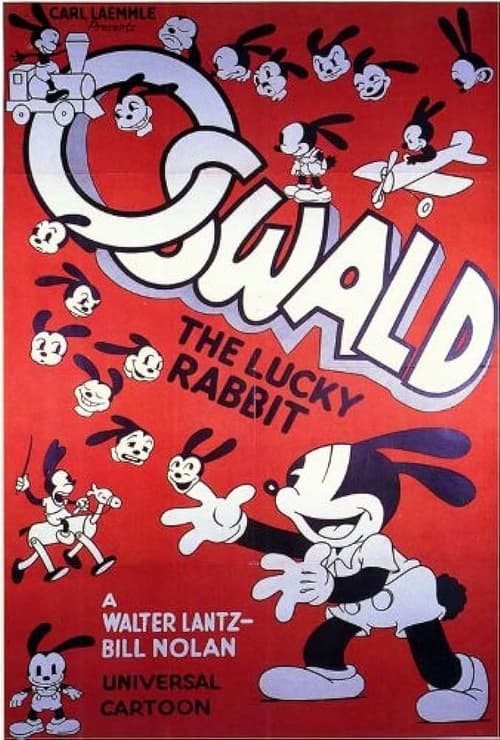
1933
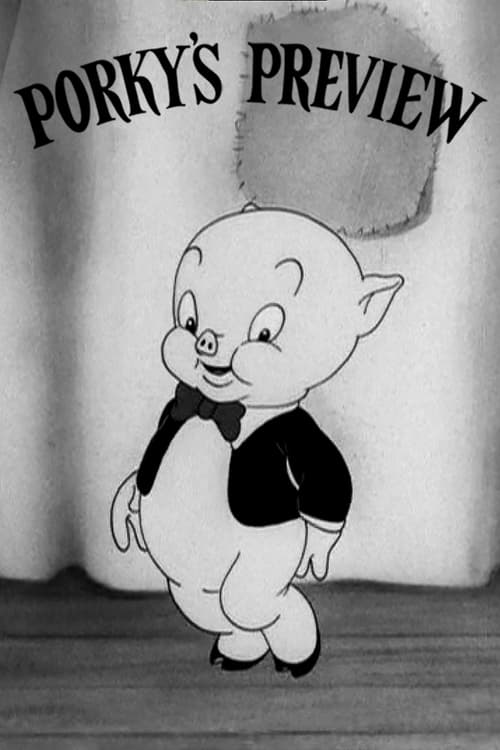
1941
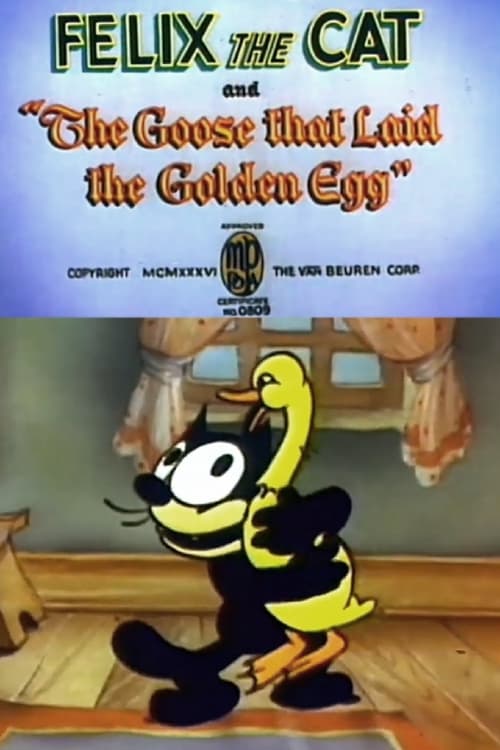
1936
No reviews yet. Be the first to share your thoughts on this movie!
Use the rating form above to leave a star rating and optional review.