Picador Porky
1937
No user ratings available yet
Diversity score: 2.2 out of 10
1941
ApprovedDirector
Tex Avery
Runtime
6 minutes
Average Rating
No ratings yetSynopsis
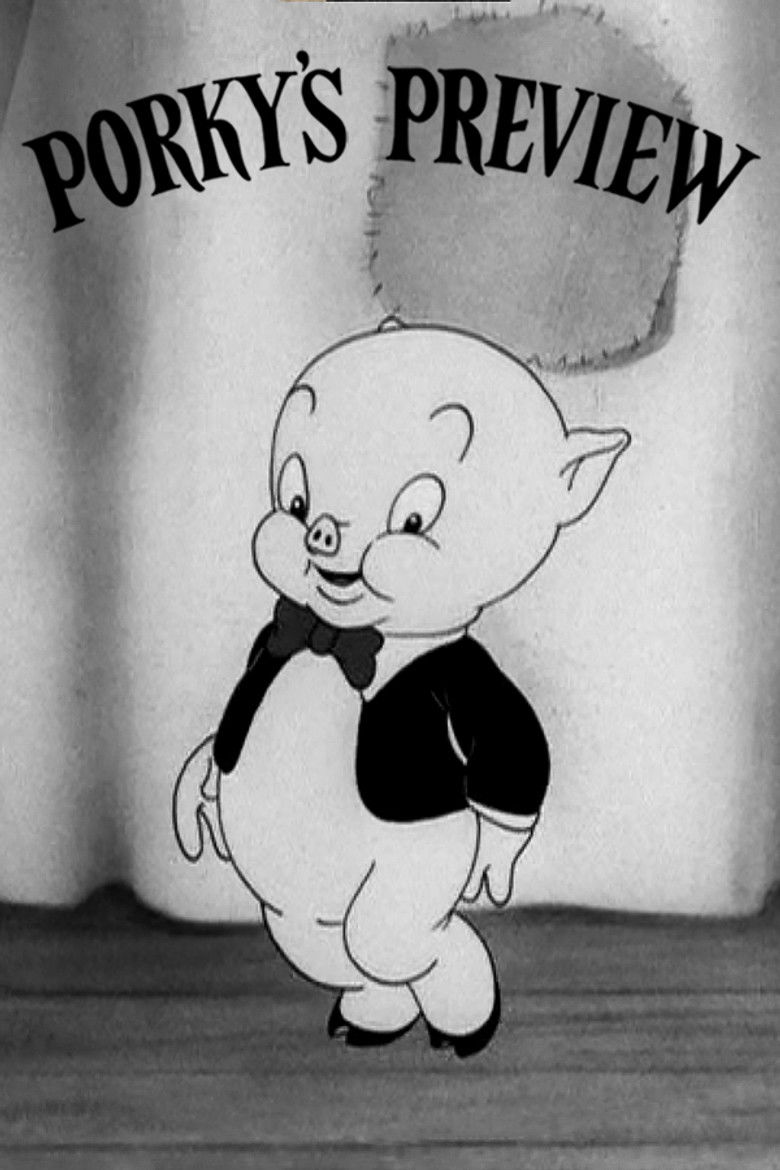
The audience enters Porky's movie theater, with a collection of quick gags: A firefly acting as usher, a kangaroo taking tickets and putting the stubs in her pouch, a chicken buying child tickets for her eggs. A skunk tries to buy a ticket, costing a nickel, but he only has one scent. He looks for a way to sneak in. Meanwhile, Porky introduces the show: a collection of cartoons, drawn as stick figures. At the end, the audience is all gone because the skunk managed to sneak in. Porky's cartoons include: Circus Parade, Choo-Choo Train, Soldiers (Marchin), Horse Race, and Dances (hula, Mexican hat, and ballet). All accompanied by a self-parody musical score.
Overall Score
Minimal
Category Breakdown
LGBTQ+ Representation
The film focuses on rapid-fire comedic vignettes involving anthropomorphic animals. There is no evidence of non-heteronormative identities or same-sex intimacy within the narrative.
Gender Representation
Gender dynamics follow conventional 1940s social roles. A female chicken is shown in a maternal role, but agency remains centered on the protagonist, Porky.
Racial & Ethnic Diversity
Brief cultural vignettes include hula and Mexican hat dances. These function as sketch-style cultural shorthand rather than nuanced or deep characterizations of specific ethnicities.
Religious & Cultural Diversity
The film reinforces standard mid-century comedic escapism. It lacks systemic critiques, focusing instead on slapstick and the traditional Western theater experience.
Disability Representation
The film does not feature characters with visible or invisible disabilities. Disability is not utilized as a narrative device or comedic trope.
Strengths
Areas for Improvement
AI Analysis
Porky's Preview is a product of the 1941 studio system, prioritizing high-energy surrealist gags over social complexity. The animation relies on archetypal animal characters to drive slapstick humor, which limits the depth of identity representation. While the film includes global motifs like hula and Mexican dances, these serve as brief stylistic shorthand rather than meaningful cultural explorations. The narrative structure reinforces traditional Western entertainment norms and mid-century social hierarchies. Ultimately, the work functions as pure comedic escapism. It lacks the intersectional depth or subversion of social structures required for a higher diversity rating, reflecting the era's focus on broad, archetypal humor.
1937
1936

1941
1946
1944
1941
1941
1951
1950
1945
1944
1940
No reviews yet. Be the first to share your thoughts on this movie!
Use the rating form above to leave a star rating and optional review.