Cracked Ice
1938
No user ratings available yet
Representation score: 2.0 out of 10
Representation Score
Minimal
1939
ApprovedDirector
Tex Avery
Runtime
8 minutes
Average Rating
No ratings yetNew Showbiz Analysis
Tex Avery’s short functions as a genre parody that deconstructs the rugged frontiersman archetype. By replacing expected competence with physical ineptitude, the film subtly challenges traditional masculine clichés through slapstick comedy. Despite this minor subversion, the film remains rooted in the stylistic conventions of 1930s animation. It lacks multi-layered complexity, diverse casting, or any meaningful social commentary beyond mocking Western genre absurdity. The narrative is largely homogeneous, adhering to the non-diverse casting clichés of its era. While it disrupts the hyper-competent hero myth, it does not offer broader representation or systemic shifts in power dynamics.
Category Breakdown
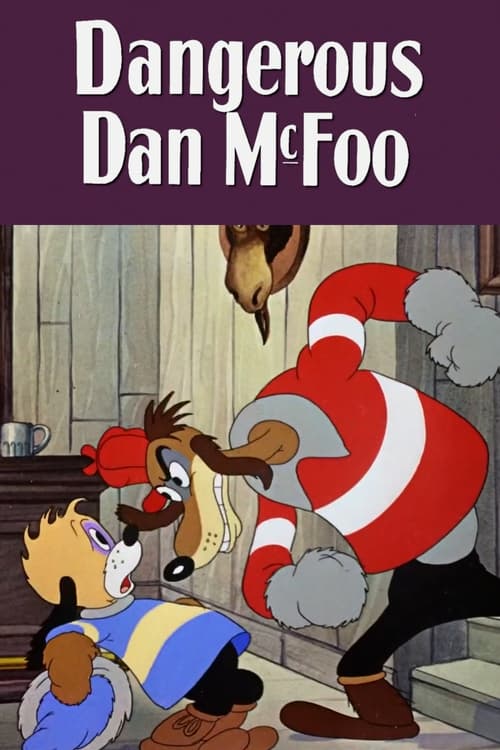
The film does not include any LGBTQ+ characters or those with non-cisgender identities. The relationship between Dan and Sue follows a traditional heterosexual structure.
Dan McFoo challenges typical masculine ideals by being physically ineffective and incompetent. However, Sue remains in a passive role within the narrative.
The setting is generic and homogeneous. There is no evidence of racial or ethnic diversity within the cast.
The film parodies Western genre clichés through slapstick humor. It mocks genre conventions rather than offering a systemic critique of institutions.
There are no characters with visible or invisible disabilities. No depictions of neurodivergence or chronic illness are present.
Present on Screen
Limited or Absent
Official Synopsis
An arctic saloon. The tiny dog, Dan McFoo, is playing a pinball-like marble game in the back. His girlfriend, Sue, sounding like Katharine Hepburn, stands by. A stranger comes in with eyes for Sue; he begins a boxing match with Dan. After Dan gets knocked down, he accuses the stranger of having something in the glove; the ref finds four horseshoes and a horse. After the fight goes on a while with no conclusion, the narrator tosses a couple of guns, the lights go out, and Dan is shot or is he?
1938
1937
1925
1937
1938
1932
1943
1939
No reviews yet. Be the first to share your thoughts on this movie!
Use the rating form above to leave a star rating and optional review.