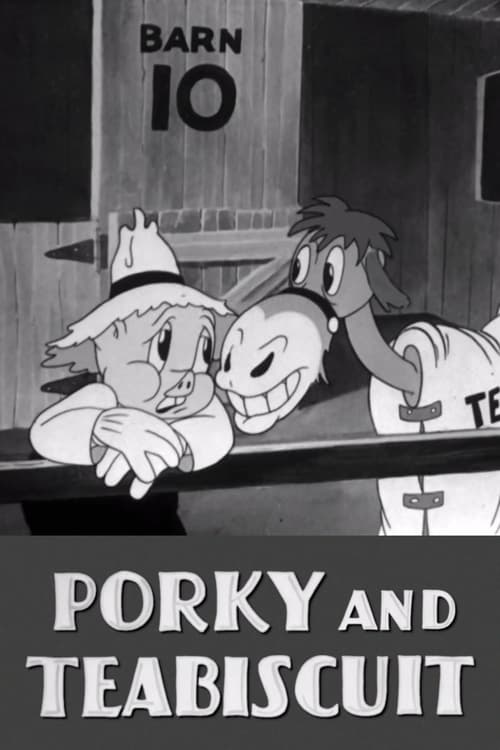
Porky and Teabiscuit
1939
No user ratings available yet
Representation score: 2.6 out of 10
Representation Score
Minimal
1937
Director
Tex Avery
Runtime
6 minutes
Average Rating
No ratings yetNew Showbiz Analysis
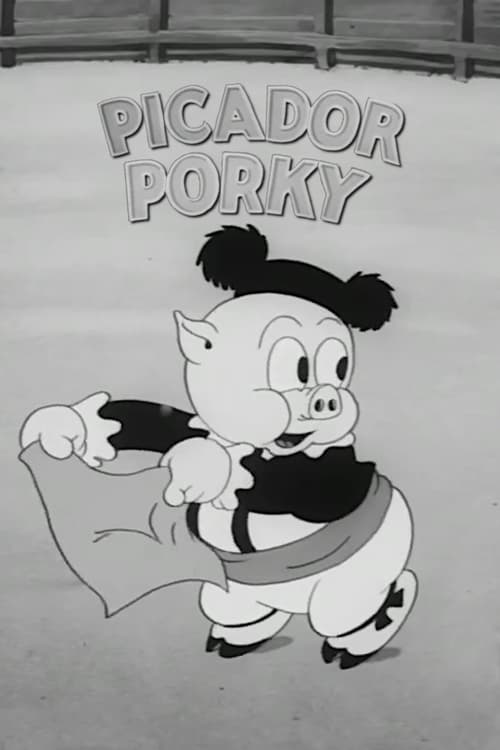
Picador Porky is a product of the traditional constraints of late-1930s animation. Its narrative structure relies heavily on established cultural clichés and gendered competition, offering little in the way of complex representation. The film operates within a conventional framework of character archetypes, reinforcing period-specific social hierarchies and lacking systemic critique. Ultimately, the work reflects the reductive approach to ethnic landscapes and gender roles typical of its era, prioritizing kinetic slapstick over diverse representation.
Category Breakdown
The film does not include any characters with non-straight or non-cisgender identities, nor does it feature any same-sex relationships or interactions.
The story revolves around a male-dominated cast participating in a bullfighting contest. It emphasizes traditional masculine traits through physical competition and bravado.
Set in a Mexican town, the film may rely on cultural stereotypes common to 1937. It lacks nuanced or significant representation of ethnic identities.
The plot centers on a traditional bullfight and the pursuit of a cash prize. It follows a conventional storyline focused on individual achievement and reward.
There are no characters with visible or invisible disabilities mentioned in the film. The focus remains on able-bodied slapstick humor.
Present on Screen
Limited or Absent
Official Synopsis
Porky and two pals stumble onto a Mexican town on the day of the town's annual bullfight. When they learn the contest winner gets $1,000...
1939
1936
1932
1936
1938
1937
1936
1933
No reviews yet. Be the first to share your thoughts on this movie!
Use the rating form above to leave a star rating and optional review.