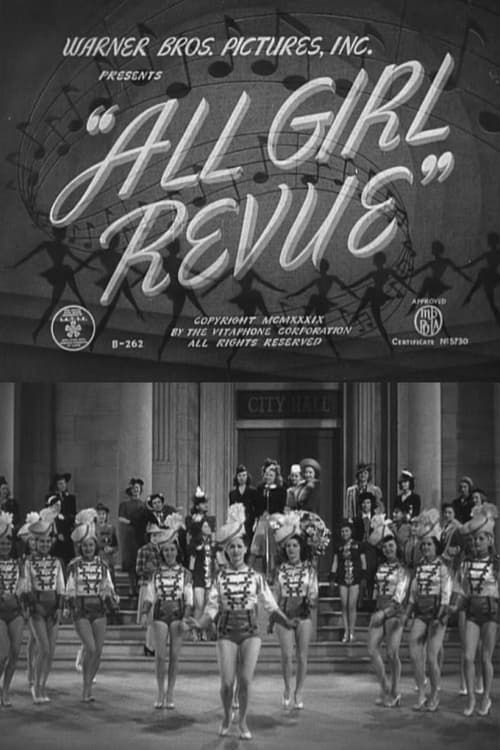
All Girl Revue
1940
No user ratings available yet
Diversity score: 2.6 out of 10
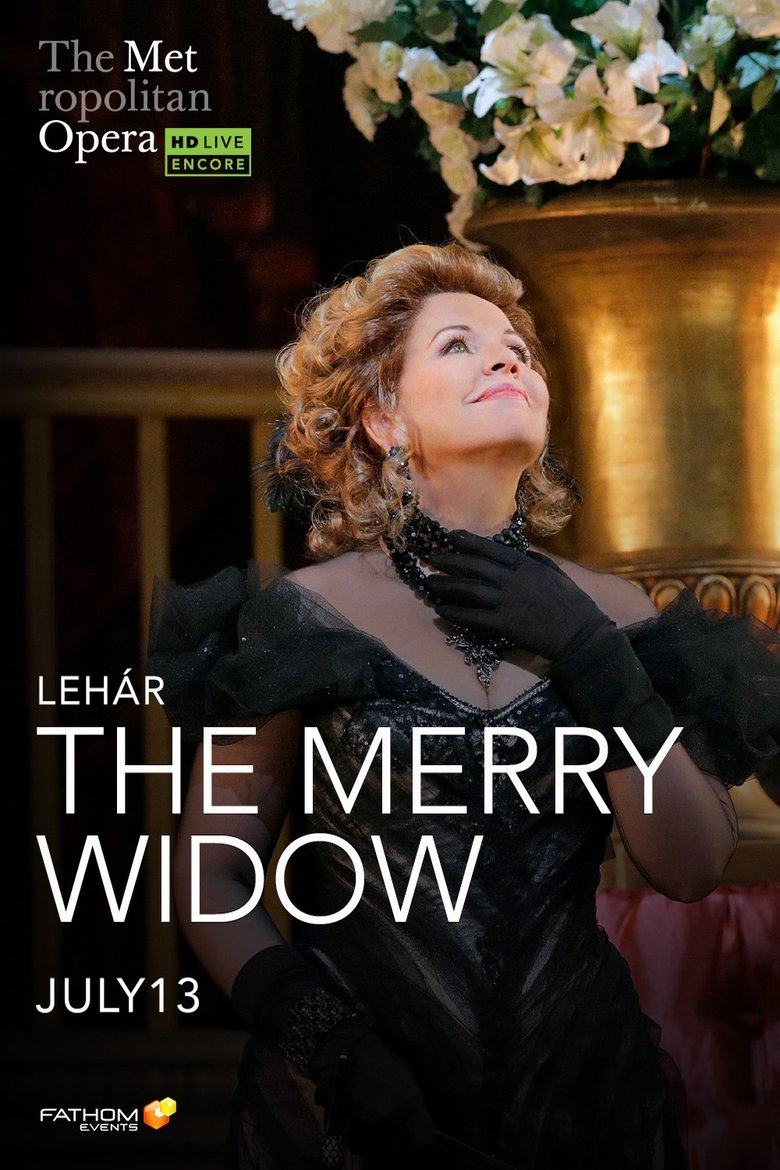
2015
Not RatedDirector
Susan Stroman
Runtime
148 minutes
Average Rating
No ratings yetSynopsis
Renée Fleming lights up the Met stage as Hanna Glawari, the fabulously wealthy widow of the title in Lehár’s beloved operetta, set in Paris and seen in a glittering production directed and choreographed by Broadway’s Susan Stroman. Nathan Gunn is Danilo, Hanna’s former flame, who is supposed to woo and marry her in order to keep her fortune in their home country of Pontevedro. Kelli O’Hara sings Valencienne, the flirtatious young wife of the Pontevedrian ambassador in Paris, Baron Zeta, played by Thomas Allen, and Alek Shrader is her suitor, Camille. Andrew Davis conducts the waltz-rich score, and the new English translation is by Jeremy Sams.
Overall Score
Limited
Category Breakdown
LGBTQ+ Representation
The production adheres to traditional romantic frameworks. There are no visible depictions of non-cisnormative identities or same-sex intimacy.
Gender Representation
Hanna Glawari subverts traditional hierarchies by acting as the plot's primary driver. Her economic and decisional autonomy disrupts common period drama tropes.
Racial & Ethnic Diversity
The cast is composed primarily of performers of European descent. This choice prioritizes historical immersion and aesthetic accuracy over contemporary casting diversity.
Religious & Cultural Diversity
The narrative celebrates Western aristocratic traditions and high-society luxury. It remains rooted in the traditionalist values of the Belle Époque era.
Disability Representation
There are no prominent depictions of physical, sensory, or neurodivergent identities. The focus remains on the able-bodied aristocratic cast.
Strengths
Areas for Improvement
AI Analysis
This production functions as a high-fidelity preservation of the Belle Époque aesthetic. It prioritizes historical and genre-specific authenticity, which results in a demographic presentation that is largely homogeneous and conventional. While the film lacks diversity in terms of race, disability, and LGBTQ+ representation, it offers a meaningful subversion of gendered passivity. The central female protagonist possesses significant agency and economic power, moving beyond the typical 'damsel' archetype. Ultimately, the work remains a traditionalist period piece. It leans into the opulence of the Western upper bourgeoisie rather than offering systemic critique or modern social representation.
1940
1994
2001
2003
1998
2002
2005
1987
2013
1954
1946
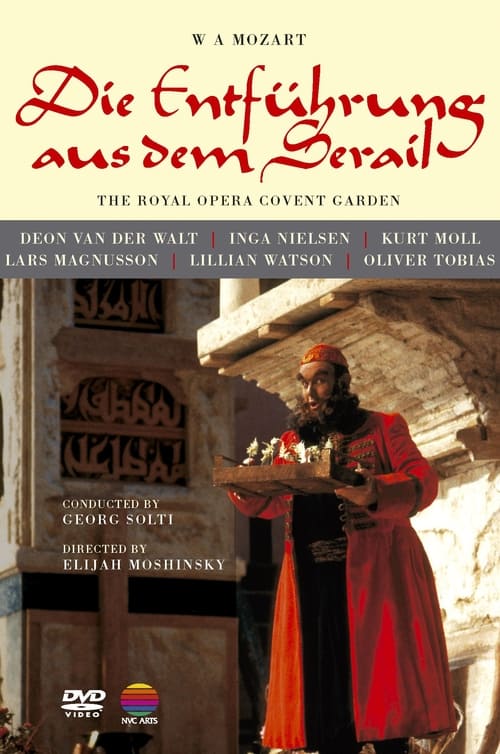
1987
No reviews yet. Be the first to share your thoughts on this movie!
Use the rating form above to leave a star rating and optional review.