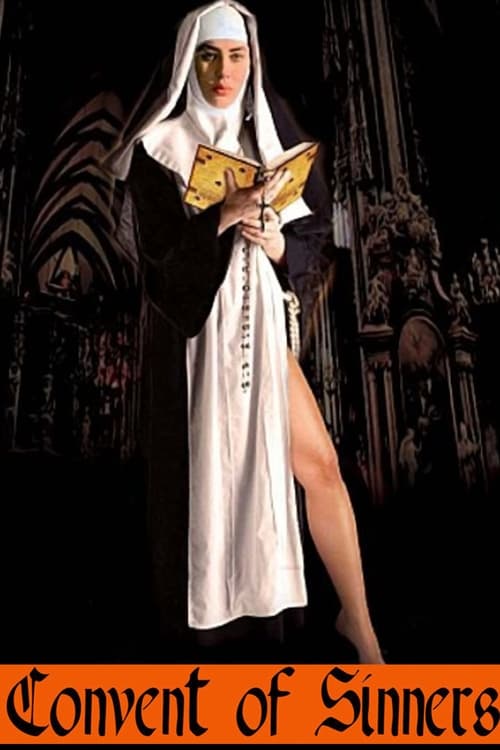
Convent of Sinners
1986
No user ratings available yet
Representation score: 4.7 out of 10

Representation Score
Fair
1974
Not RatedDirector
Sergio Grieco
Runtime
93 minutes
Average Rating
No ratings yetNew Showbiz Analysis
The film primarily serves as a genre piece that challenges religious sanctity. It successfully overturns traditional moral hierarchies by depicting religious leadership as a source of fear and corruption. While the narrative provides a strong critique of institutional authority, it lacks explicit characters who reflect more than one aspect of diversity. The absence of clear LGBTQ+ identities and diverse racial casting limits its broader social impact. Ultimately, the film's strength lies in its thematic rebellion against dogma rather than its commitment to diverse identity representation.
Category Breakdown
The film does not show same-sex relationships or non-binary gender identities explicitly. Instead, it explores repressed desires by challenging religious structures.
The story focuses on a powerful woman, Sister Incarnation, whose actions defy traditional views of female leadership. This creates a complex power struggle against male-dominated forces.
Character names hint at a Mediterranean or Latin-influenced setting, avoiding typical Anglo-Saxon themes. However, the film sticks to conventional European period-piece types without much diversity in casting.
The film sharply criticizes organized religion by presenting the convent as a place where systemic oppression occurs. It portrays protagonists as victims of a corrupt, rigid religious system.
There are no visible or hidden disabilities that play a central role in the characters' stories. Characters are defined by their social and religious standing rather than physical or neurological differences.
Present on Screen
Limited or Absent
Official Synopsis
Lucita has been locked away in a convent by her family in order to keep her away from her lover, Esteban. The pair make plans to elope, but Esteban is accused of heresy before Lucita can escape. Hiding in the convent, Esteban discovers the horrifying depravity of the covent's abbess, Sister Incarnation. Can Esteban rescue his love from this madhouse before the inquisitor discovers what is going on and has everyone executed?
1986

1961

1972

1963

1973

1971

2000

1974
No reviews yet. Be the first to share your thoughts on this movie!
Use the rating form above to leave a star rating and optional review.