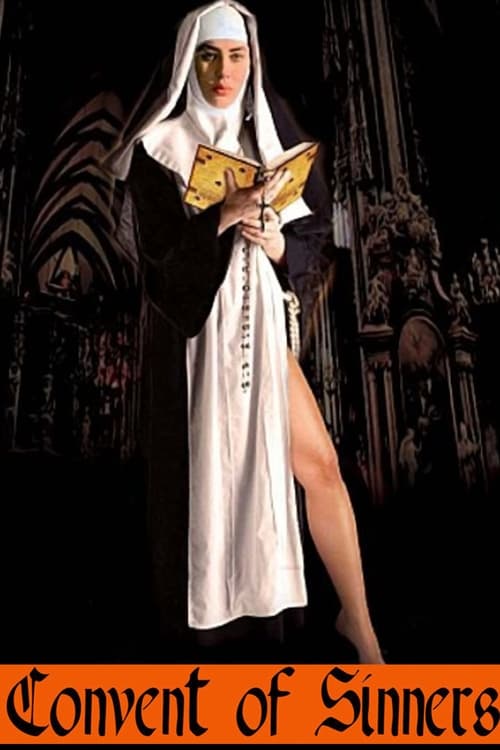
Convent of Sinners
1986
No user ratings available yet
Diversity score: 5.5 out of 10
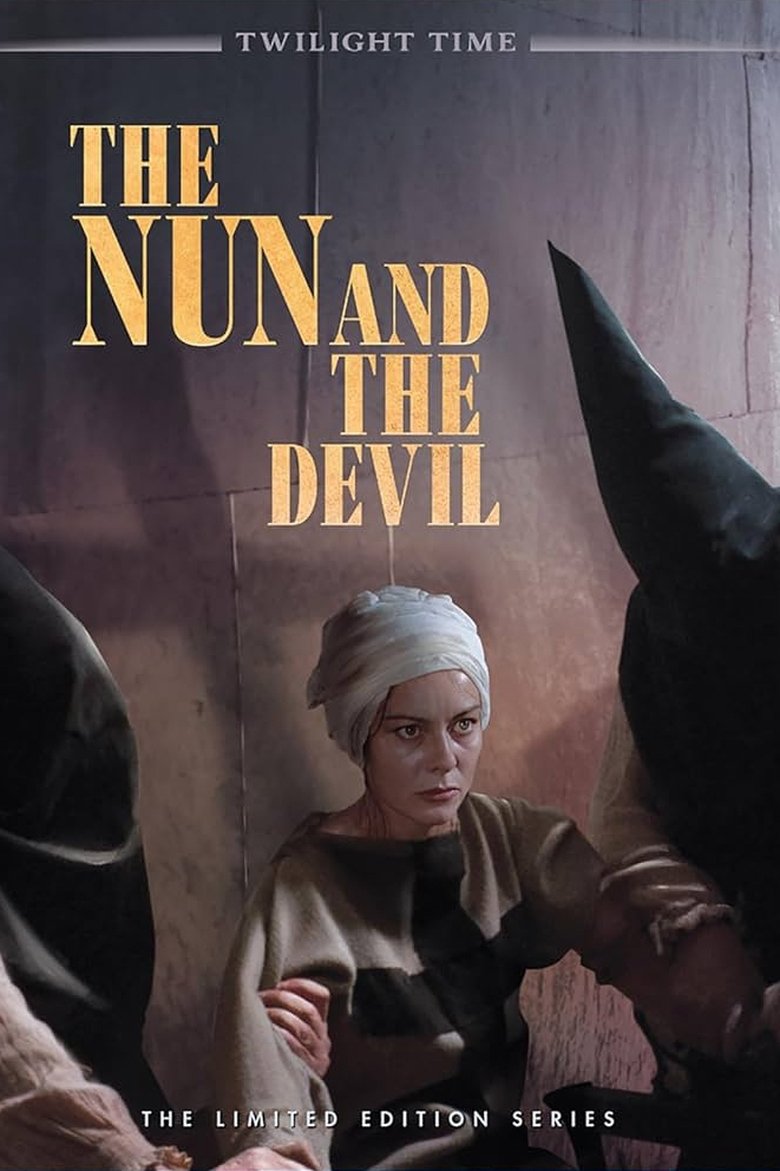
1973
RDirector
Domenico Paolella
Runtime
100 minutes
Average Rating
No ratings yetSynopsis
It's 1577. The Mother Superior at the convent of Archangel is seriously ill. The determined and calculating Mother Giulia plots to become the next Mother Superior. She receives tough competition from tormented lesbian Sister Chiara and the lusty Sister Carmela.
Overall Score
Fair
Category Breakdown
LGBTQ+ Representation
The film features Sister Chiara, a character explicitly identified as a tormented lesbian. Her identity drives much of the internal drama, though the narrative frames her sexuality through a lens of struggle.
Gender Representation
The story centers on an all-female power struggle within a convent. While women drive the plot through ambition and competition, the characterizations occasionally lean into tropes of feminine volatility.
Racial & Ethnic Diversity
The film appears to feature a homogeneous cast set in a 16th-century Italian convent. There is no evidence of non-white casting or diverse ethnic representation.
Religious & Cultural Diversity
The narrative deconstructs the idealized convent by focusing on political maneuvering and human frailty. It portrays religious life as a space of calculation rather than pure spiritual devotion.
Disability Representation
There is no discernible evidence regarding the portrayal of physical or neurodivergent disabilities in this work.
Strengths
Areas for Improvement
AI Analysis
The film offers a unique look at gender dynamics by centering its conflict on female ambition and competition within a convent. This removes traditional patriarchal leadership tropes, placing agency entirely in the hands of the women. However, the representation is limited by its era. The inclusion of queer identity is significant, yet the characterization of Sister Chiara as 'tormented' suggests a view of non-heteronormative identity as a source of pathology rather than pure agency. Ultimately, the film lacks racial and ethnic diversity, remaining tethered to a homogeneous European historical setting. This lack of intersectionality prevents a higher overall score despite its progressive thematic elements.
1986
1972

1970
1974
1996

1977

1984
1977

1977
1974

1976
2000
No reviews yet. Be the first to share your thoughts on this movie!
Use the rating form above to leave a star rating and optional review.