Sacred Flesh
2000
No user ratings available yet
Representation score: 6.8 out of 10
Representation Score
Good
1974
RDirector
Gianfranco Mingozzi
Runtime
102 minutes
Average Rating
No ratings yetNew Showbiz Analysis
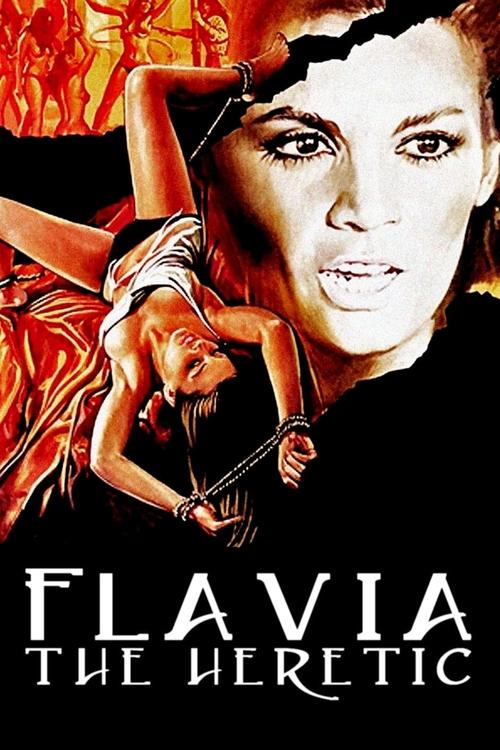
Flavia the Heretic serves as a critique of institutional authority and religious dogma. Using the horror genre, it challenges the perceived sanctity of historical Western structures, particularly by subverting gendered power dynamics. However, the film's impact on broader representation is limited. The period setting restricts racial diversity, and the depiction of psychological distress relies heavily on genre conventions. Ultimately, the film excels at questioning religious morality and traditional feminine roles, while still being bound by the demographic and narrative constraints of 1970s horror.
Category Breakdown
The film examines repressed desires and unconventional relationships within a 15th-century convent. These themes are explored through psychological struggles and transgressions rather than explicit identity affirmation.
The story focuses on a female protagonist who navigates a highly patriarchal and religiously controlled environment. It highlights her strength and resistance through psychological defiance against male-dominated institutions.
Set in 15th-century Puglia, the film reflects the demographic realities of the time. While there is cultural tension, the visual portrayal remains centered on Mediterranean social structures.
The film criticizes the corruption and violence associated with religious doctrine by showing the desecration of a sacred space. It presents conflict as a clash between destructive belief systems.
Characters dealing with psychological instability or physical trauma are primarily used as plot devices to increase suspense. These portrayals lack detailed exploration of neurodivergence or chronic illness.
Present on Screen
Limited or Absent
Official Synopsis
Puglia, southern Italy, around 1400. A convent is invaded by the Tarantula cult, whose fanatical and crazed members desecrate the sacred place by committing obscene and bloody acts.
2000
1961
1986

1963
1974
2022
1974

1970
No reviews yet. Be the first to share your thoughts on this movie!
Use the rating form above to leave a star rating and optional review.