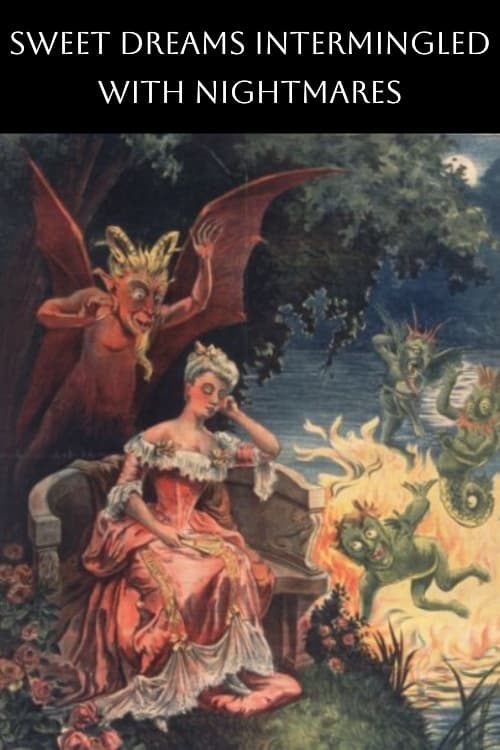
Sweet Dreams Intermingled With Nightmares
1908
No user ratings available yet
Diversity score: 2.8 out of 10

1970
Director
Giorgio Albertazzi
Runtime
94 minutes
Average Rating
No ratings yetSynopsis
After unearthing an ancient bas-relief sculpture of the gradiva or ‘woman who walks’ a young archaeologist begins to dream of the figure eluding him, while also pursuing a mysterious woman who eludes him in his waking life. Based on the novella by Wilhelm Jensen.
Overall Score
Limited
Category Breakdown
LGBTQ+ Representation
The film follows a traditional romantic pursuit of a singular female figure. There is no indication of non-cisnormative identities or any critique of heteronormativity.
Gender Representation
The narrative centers on a mysterious woman who serves primarily as a catalyst for the male protagonist's psyche. This archetype often lacks independent agency, favoring the male perspective.
Racial & Ethnic Diversity
The focus on Greco-Roman archaeology suggests a Eurocentric perspective. The production aligns with traditional Western historical narratives without evidence of a diverse cast.
Religious & Cultural Diversity
The film leans heavily into classical European literary traditions and Western intellectual history. It prioritizes historical reverence over the critique of Western institutions.
Disability Representation
There is no documented evidence regarding the portrayal of physical disabilities or neurodivergence in this production.
Strengths
Areas for Improvement
AI Analysis
Gradiva is a psychological fantasy that prioritizes classical romanticism and psychoanalytic archetypes over modern social deconstruction. The narrative structure is tethered to a late 19th-century literary text, which naturally limits its engagement with contemporary identity politics. The film functions as a traditional adaptation, focusing on the pursuit of an idealized feminine figure. This framework reinforces conventional gendered tropes and a Eurocentric historical lens. Ultimately, the work adheres to established Western intellectual traditions rather than seeking to disrupt or subvert social hierarchies.
1908
1898
1898
1899
1944
1907
1949

1960
1972
1972

1932
2011
No reviews yet. Be the first to share your thoughts on this movie!
Use the rating form above to leave a star rating and optional review.