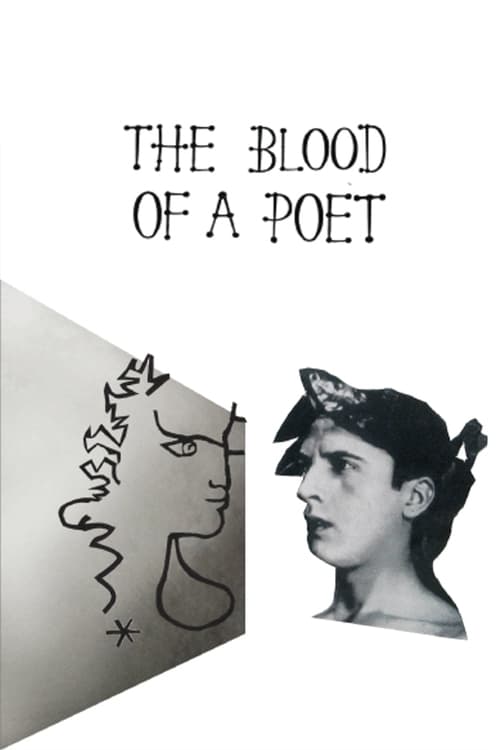
The Blood of a Poet
1932
No user ratings available yet
Representation score: 6.0 out of 10

Representation Score
Limited
1960
Not RatedDirector
Jean Cocteau
Runtime
80 minutes
Average Rating
No ratings yetNew Showbiz Analysis
Jean Cocteau’s surrealist masterpiece serves more as a philosophical exploration than a study in social representation. It excels at deconstructing societal structures, particularly how society consumes art and celebrity, providing a sophisticated intellectual depth. However, the film remains tied to the demographic norms of its time. The cast is largely homogeneous, and the narrative relies on traditional gender roles that lack modern perspectives that reflect multiple aspects of identity. Ultimately, the work's strength lies in its subversion of traditional narrative and moral hierarchies rather than its commitment to diverse casting or explicit identity representation.
Category Breakdown
The film focuses on dream-like experiences rather than explicit LGBTQ identities. Characters exist in a fluid environment, but there are no clear depictions of non-straight or non-gender-conforming identities.
The story centers around a traditional romantic relationship where the female character often sacrifices herself. However, the male protagonist challenges hyper-masculinity through his psychological vulnerability.
The film features a predominantly white European cast typical of 1960s French cinema. There are no intentional efforts to include non-white perspectives.
The story critiques celebrity culture and the spectacle through mythological themes. It challenges capitalist mechanisms and institutional dogma.
The film explores death and mortality but does not depict specific physical or cognitive disabilities.
Present on Screen
Limited or Absent
Official Synopsis
An 18th century poet travels through time in search of divine wisdom. In a mysterious wasteland, he has a series of enigmatic encounters with symbolic phantoms with whom he muses about the nature of art and his own career. Ultimately, the poet strives to achieve his rebirth as a celestial being.
1932
1950
1967
1948
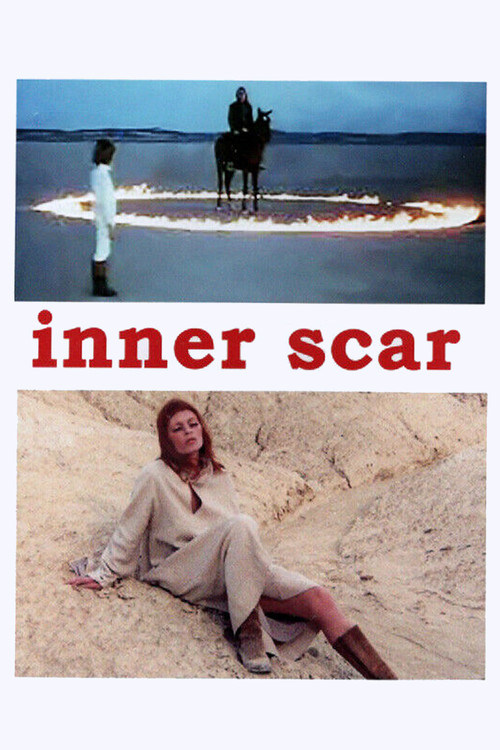
1972
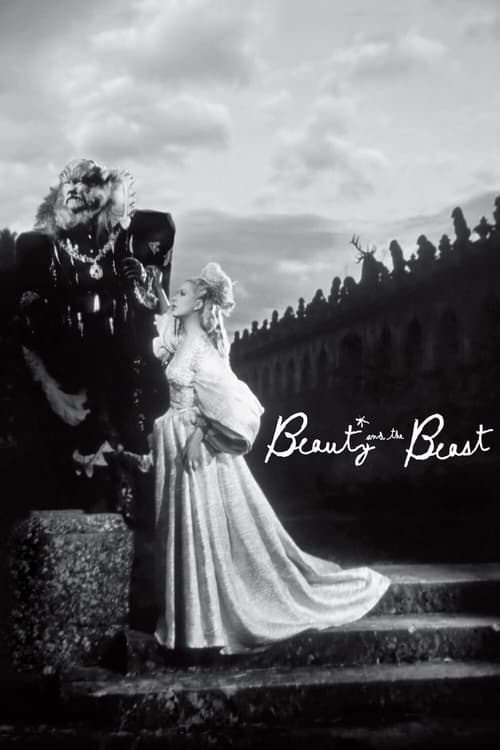
1946
1954
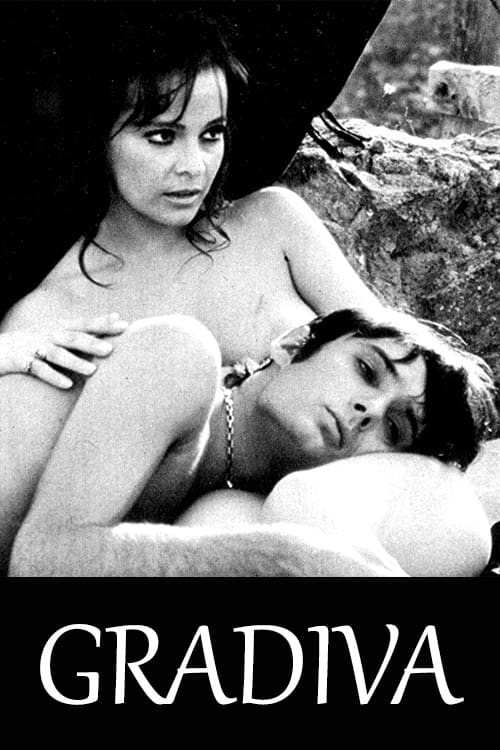
1970
No reviews yet. Be the first to share your thoughts on this movie!
Use the rating form above to leave a star rating and optional review.